How to Grow Sweet Potatoes From Slips in Your Garden
If you want to know how to grow sweet potatoes, the most important fact to understand is that you do not plant seeds in the ground like you would with…
If you want to know how to grow sweet potatoes, the most important fact to understand is that you do not plant seeds in the ground like you would with…
Disclosure: this article may contain affiliate links.
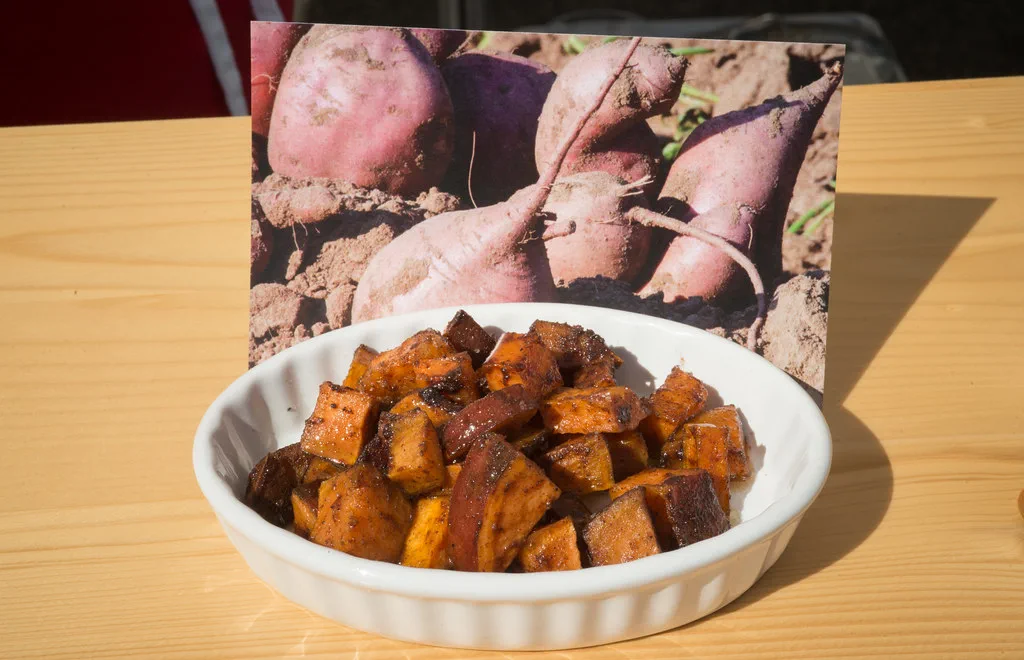
If you want to know how to grow sweet potatoes, the most important fact to understand is that you do not plant seeds in the ground like you would with carrots or beans. Instead, you must plant “slips,” which are rooted vine cuttings grown from a mature sweet potato. This process transforms your garden from a simple vegetable patch into a sprawling, heat-loving vine system that produces starchy, nutritious tubers in late summer or early autumn. Unlike many root vegetables that struggle with poor soil, sweet potatoes thrive in sandy, well-draining conditions and can tolerate heat that would wilt other crops.
Selecting the Right Sweet Potato Variety for Your Climate
The first step in learning how to grow sweet potatoes successfully is choosing a variety that matches your local growing season. Not all sweet potatoes are created equal; some are bred for short seasons, while others need a long, hot summer to develop full flavor.
- Beauregard: This is arguably the most popular commercial variety in the United States. It is known for its high yield, disease resistance, and ability to grow well in various soil types. It typically matures in about 90 to 100 days.
- Jewel: Similar to Beauregard but often praised for its rich, orange flesh and slightly longer storage life. It is a reliable choice for home gardeners in temperate zones.
- Purple Passion: For those interested in a nutritional boost, this variety offers vibrant purple flesh rich in anthocyanins (antioxidants). It grows vigorously and produces large tubers, though it requires a consistent warm climate.
- Japanese Sweet Potatoes: These varieties often have a nuttier, chestnut-like flavor and drier texture compared to the moist, sugary American varieties. They are excellent for roasting.
When selecting slips, look for vendors that offer virus-free stock. Disease can be carried in the mother potato, so sourcing from a reputable nursery ensures your plants start healthy.
How to Start Sweet Potato Slips at Home
While you can buy slips from local nurseries, growing your own is inexpensive and rewarding. This process requires planning about 8 to 10 weeks before your last expected frost date.
- Select a Mother Potato: Choose a firm, unblemished sweet potato from the grocery store. Avoid those with sprouts already forming, as you want to control the growth.
- Prepare the Container: Fill a large pot or bucket with potting soil. You can use a standard potting mix, but ensure it is loose and airy.
- Plant the Potato: Bury the sweet potato about halfway into the soil. It should be partially exposed to the air.
- Provide Warmth and Light: Place the container in a warm spot (around 70-80°F or 21-27°C) with indirect sunlight. Keep the soil moist but not waterlogged.
- Wait for Slips: Over several weeks, vines will emerge from the potato. Once these vines reach 6 to 8 inches in length, they can be carefully broken off at the base. These broken-off stems are your “slips.”
- Root the Slips: Place the slips in water or directly into a small pot of soil. Within a week or two, roots will form. Once rooted, they are ready for transplanting.
Preparing the Soil for Maximum Yield
Sweet potatoes are notorious for loving poor, sandy soil. In fact, rich, heavy clay soil can cause the tubers to grow misshapen or rot. If you are struggling to grow sweet potatoes in heavy ground, consider building a raised bed or amending the soil heavily.
Ideal Soil Conditions:
- pH Level: Sweet potatoes prefer slightly acidic to neutral soil, ideally between 5.5 and 6.5.
- Drainage: Excellent drainage is non-negotiable. Waterlogged soil leads to root rot.
- Fertilizer Strategy: Unlike tomatoes or corn, sweet potatoes do not need heavy nitrogen. Excessive nitrogen promotes lush green vines but small, skinny tubers. Focus on phosphorus and potassium. A balanced, low-nitrogen fertilizer or a compost rich in organic matter is sufficient.
For gardeners in clay-heavy regions, creating mounded rows is a classic technique. Pile soil into ridges about 6 to 8 inches high and plant the slips into these mounds. This improves drainage and warms the soil faster in spring.
Planting and Spacing Sweet Potatoes
Timing is critical. Sweet potatoes are tropical plants that hate cold. You must wait until all danger of frost has passed and soil temperatures have warmed to at least 60°F (15°C). In most temperate climates, this is late spring or early summer.
- Spacing: Space plants 12 to 18 inches apart in rows that are 3 feet wide. This gives the vines room to spread horizontally.
- Planting Depth: Plant the slips so that the leaves are just above the soil line. Do not bury them deeply like tomatoes.
- Mulching: Apply a layer of straw or organic mulch around the plants once they are established. This keeps the soil warm, retains moisture, and suppresses weeds that compete for light.
Caring for Your Sweet Potato Vines
Once planted, sweet potatoes are relatively low-maintenance, but they do have specific needs.
Watering: Water consistently during the first few weeks as the plants establish. Once established, they are drought-tolerant. However, consistent moisture produces larger tubers. Avoid overwatering in the final weeks before harvest, as this can cause the tubers to split.
Weed Control: Sweet potatoes compete poorly with weeds early in the season. Mulching is your best defense. If you must weed, be extremely careful not to disturb the soil near the base of the vines, as this can damage the developing tubers.
Pruning: Generally, you should not prune sweet potato vines. They need their leaves to photosynthesize and push energy down into the roots. If the vines become unruly and spill into paths, you can gently move them, but avoid cutting back the foliage.
When and How to Harvest Sweet Potatoes
Knowing when to harvest is one of the trickiest parts of how to grow sweet potatoes. Unlike potatoes, you can’t just dig up a plant and see a pile of tubers. You often need to wait until the vines begin to yellow and die back in autumn.
- Check the Timeline: Most varieties are ready 90 to 120 days after planting slips.
- The Test Dig: In late summer, gently loosen the soil at the edge of a mound and check for tubers. If they are small, wait. If they are reaching the desired size, you can begin harvesting.
- The Harvest: Cut the vines back to 2 inches above the ground before digging. Use a garden fork or spade to gently loosen the soil. Be careful not to pierce the tubers, as damaged potatoes will rot quickly.
- Curing: This is the secret to sweet potatoes. Freshly dug potatoes are bland and watery. To develop their sugar content and storage ability, they must be cured.
How to Cure Sweet Potatoes: Place the dug potatoes in a warm, humid environment (80-90°F and 85-90% humidity) for 4 to 7 days. You can achieve this in a greenhouse, a heated garage, or even a large plastic bin with damp newspaper. After curing, store them in a cool, dark place (50-60°F). Do not store them in the refrigerator, as this turns the starch into sugar and creates a hard, unappetizing texture.
Best Tools for Growing Sweet Potatoes
Efficient gardening often comes down to the right equipment. While you can garden with basic hand tools, specific items make the process easier.
- Garden Fork: A sturdy, four-pronged garden fork is essential for loosening soil without piercing tubers. Brands like Fiskars or Gardena offer durable options with ergonomic handles that reduce strain during the digging process. Look for forks with hardened steel tines that won’t bend in clay soil.
- Soil Test Kit: Since pH matters, a reliable soil test kit helps you adjust acidity before planting. Many garden centers sell inexpensive chemical kits that give you a color-coded reading. For more precision, digital meters are available, but chemical kits are generally sufficient for the home gardener.
- Organic Fertilizer: Look for a fertilizer with a lower nitrogen number (the first number in the N-P-K ratio). A product like Dr. Earth Home Garden Organic Plant Food is widely recognized for its balanced formulation that supports root vegetables without causing excessive leafy growth.
Common Mistakes Beginners Make with Sweet Potatoes
To ensure your success in growing sweet potatoes, avoid these common pitfalls:
- Planting too early: If you plant when soil is cold, the slips will sit dormant and may rot. Wait for warmth.
- Over-fertilizing with nitrogen: This is the number one reason for poor yields. You will have a beautiful jungle of vines and tiny, skinny potatoes.
- Neglecting curing: Skipping the curing stage results in hard, flavorless potatoes that don’t store well.
- Ignoring pests: Sweet potato weevils can be a problem in warmer climates. If you notice holes in the tubers, consider using row covers or rotating crops annually.
Frequently Asked Questions
Can I grow sweet potatoes in pots? Yes, but you need a large container, at least 15-20 gallons, to allow the tubers to expand. Use a loose, sandy potting mix and ensure the pot has excellent drainage holes.
How many sweet potatoes do I get from one slip? This varies by variety and growing conditions, but a healthy plant typically produces 3 to 6 medium-to-large tubers. Larger varieties may produce fewer, but larger, potatoes.
Do sweet potatoes need full sun? Yes, sweet potatoes require at least 6 to 8 hours of direct sunlight daily. Less sun results in smaller tubers and slower growth.
Can I save slips from my harvested potatoes? Yes. You can save a few of your best tubers, store them properly through winter, and use them as “mother potatoes” to start slips the following spring. This saves money and ensures you are growing a variety that performed well in your specific garden.
Are sweet potato leaves edible? Yes, the young leaves and shoots are edible and are a popular vegetable in many Asian cuisines. They taste similar to spinach or collard greens and can be steamed, stir-fried, or added to salads.
Conclusion
Growing sweet potatoes is a rewarding project for home gardeners who have warm summers and well-drained soil. By starting your own slips, managing soil fertility carefully, and allowing time for the crucial curing process, you can produce a bountiful harvest of nutritious, flavorful tubers. Remember that patience is key; these vines grow slowly at first, then explode with growth, and finally reward you with a harvest that can be stored for months. For more information on soil preparation, check out our guide on building a raised bed, and for additional tips on root vegetable care, read our article on growing potatoes.