Container Gardening
Best Indoor Herb Garden Kits for Beginners
The best indoor herb garden kits make fresh basil, parsley, and mint realistic for beginners without turning your kitchen into a fussy project.
The best indoor herb garden kits make fresh basil, parsley, and mint realistic for beginners without turning your kitchen into a fussy project.
The best indoor herb garden kits for beginners are usually the ones that remove just enough friction without turning a few basil plants into a full hobby project. For most people, that means choosing between a countertop hydroponic kit, a simple soil-based windowsill starter kit, or a self-watering planter setup.
That matters right now because spring 2026 gardening coverage has leaned hard into compact indoor growing, countertop garden systems, and small-space edible setups. That makes sense: a lot of newer gardeners want fresh herbs, but they do not want to build a full seed-starting station just to keep basil alive.
If you want the full growing side before you buy anything, start with our guide on how to grow herbs indoors. If your bigger goal is making a balcony, patio, or windowsill actually productive, container gardening for small spaces is the broader setup guide. This article is the shortcut for buying the right kit.
What Makes an Indoor Herb Garden Kit Worth Buying?
A good kit should solve real beginner problems, not just look cute on a countertop.
Here’s what actually matters.
1. Enough light for herbs that people really cook with
Basil, parsley, cilantro, dill, and chives all need more light than most people realize. If the kit depends entirely on a dim kitchen window, results get shaky fast.
That’s why built-in LEDs matter so much on countertop systems. If you go with a soil-based kit instead, you may still need help from a basic lamp or one of the options in our grow lights for indoor plants guide.
2. A watering system that matches real life
A lot of indoor herb gardens fail for boring reasons: people forget to water, overwater, or leave town for a few days.
The best indoor herb garden kits make watering easier, either with a water reservoir, hydroponic tank, or a very simple pot-and-tray setup you can actually keep up with.
3. Herbs you’ll harvest more than once
Some kits are basically a one-week novelty. They give you a tiny flush of sprouts or weak basil, then stall out.
A worthwhile kit should support repeat harvests, not just a single Instagram moment.
4. Easy refills and sane ongoing cost
A fancy smart garden stops being fun if replacement pods are expensive or hard to get. Simple is underrated here.
If you’d rather control your own potting mix, fertilizer, and containers, our guide to the best planters and pots helps you build a version that’s easier to maintain long term.
Best Indoor Herb Garden Kits: The 3 Types That Actually Make Sense
For beginners, these are the three lanes worth considering.
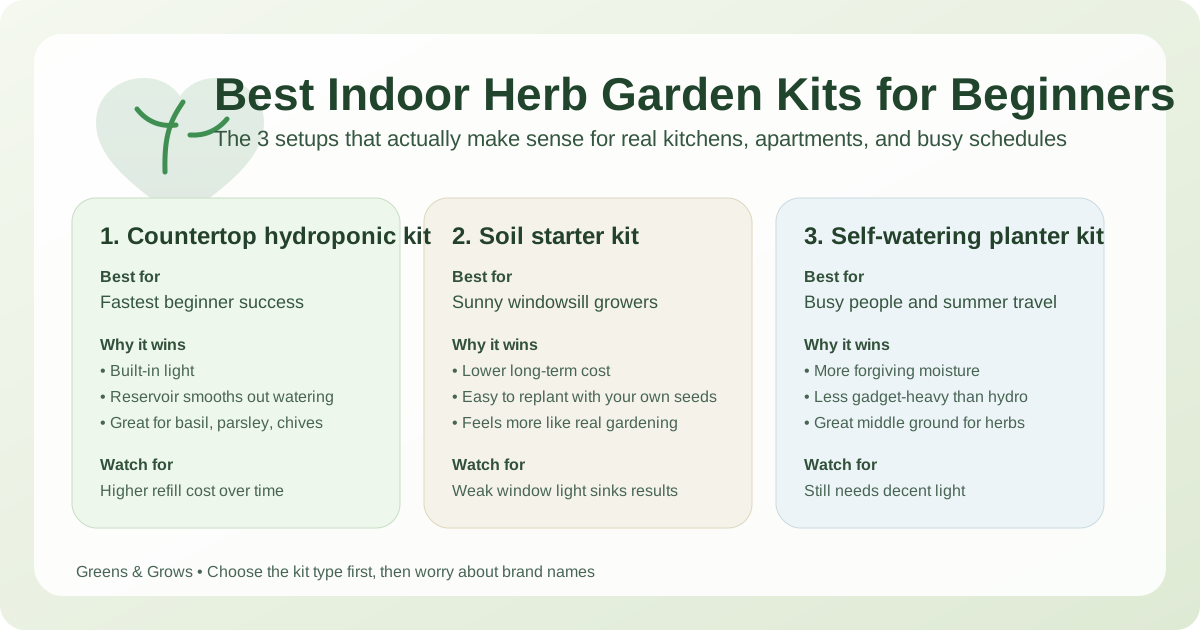
1. Countertop hydroponic herb garden kits
This is the easiest all-around recommendation for most people.
A countertop hydroponic herb garden kit gives you built-in light, an enclosed water reservoir, and a cleaner setup than trying to juggle seed trays and windowsill pots.
Best for: beginners who want the least guesswork, kitchens with weak natural light, and people who cook often enough to keep harvesting basil, parsley, and chives.
Why it works:
- built-in light removes the biggest indoor-herb failure point
- water reservoir smooths out inconsistent watering
- compact footprint fits apartments and condos well
- fast payoff compared with piecing a setup together from scratch
What to watch:
- refill pods can get expensive over time
- taller herbs can outgrow compact lights
- some systems are better for leafy herbs than for woody herbs like rosemary
If you want the shortest path to fresh herbs on a kitchen counter, this is usually it.
2. Soil-based windowsill herb starter kits
This is the better pick if you want a more traditional gardening feel and lower long-term cost.
A soil-based indoor herb starter kit usually includes seeds, small pots or grow bags, potting mix discs, markers, and a tray.
Best for: beginners with a bright south-facing window, gift buyers, and people who want to learn actual herb-growing basics instead of depending on proprietary pods.
Why it works:
- cheaper to keep going after the first round
- easy to replant with your own seeds later
- better for gardeners who want more control over soil and pot size
- usually prettier for a windowsill than a plastic appliance
What to watch:
- success depends more on window light
- watering mistakes show up faster in tiny pots
- some kits include low-quality compressed soil and flimsy pots
If you go this route, do not treat the starter containers as permanent homes. Once roots fill the pots, move herbs up just like you would in any other container setup.
3. Self-watering herb planter kits
This is the most practical middle ground for busy people.
A self-watering indoor herb planter kit gives you a soil-based setup with a water reservoir, which is especially useful heading into late spring and summer when travel picks up.
Best for: people who forget to water, anyone planning summer trips, and herb growers who want real pots without daily maintenance.
Why it works:
- more forgiving than basic pots
- easier to keep moisture consistent for basil and parsley
- good bridge between “real gardening” and convenience
- less countertop-tech clutter than a hydroponic machine
What to watch:
- still needs decent light
- reservoirs can encourage overconfidence if you never check the soil
- not all self-watering systems wick evenly
For a lot of people, this is the sleeper pick. It avoids the ongoing pod cost of hydroponic units while still solving the most common beginner mistake.
Which Herbs Do Best in Kits?
Not every herb behaves the same indoors.
The easiest herbs for most kits are:
- basil — fast, productive, but wants strong light and steady moisture
- parsley — slower than basil, but dependable once established
- chives — compact and forgiving
- mint — easy, but best kept in its own container because it spreads
- cilantro — quick to grow, quick to bolt, best if you re-seed often
The harder herbs are usually rosemary and sometimes thyme. They need stronger light, sharper drainage, and less watering than most mixed herb kits really provide. That doesn’t mean they’re impossible. It means they’re not the best herbs to judge a beginner kit by.
What I’d Skip
A lot of listings sound helpful but are mostly clutter.
Tiny novelty kits with almost no growing room
If the container is tiny and the light is weak or nonexistent, you’re paying for packaging.
Kits that assume any kitchen window is enough
A bright south-facing window can work. A dim apartment kitchen usually won’t. If the kit has no built-in light, be honest about your space.
Overcomplicated “smart” systems with annoying refills
A few smart gardens are genuinely useful. Others just turn a simple herb garden into one more device to manage.
My Honest Recommendation
For most beginners, the best indoor herb garden kits are either:
- a countertop hydroponic kit if you want the easiest possible success rate, or
- a self-watering herb planter kit if you want something simpler, cheaper to keep going, and less gadget-heavy.
I’d choose a plain soil-based starter kit only if you already have a genuinely sunny window or you specifically want to learn the hands-on basics from seed.
That’s the real decision. Don’t get distracted by branding, app features, or decorative packaging. The best indoor herb garden kit is the one that gives your herbs enough light, enough root room, and a watering setup you’ll actually stay consistent with.
Related Reads
- How to Grow Herbs Indoors: Basil, Mint, and More — the practical growing guide once you’ve picked your herbs
- Container Gardening for Small Spaces and Apartments — the bigger picture if your herbs are part of a small edible garden
- Grow Lights for Indoor Plants: What You Actually Need — especially useful if you skip a kit with built-in lighting
This post contains affiliate links. If you buy through our links, we may earn a commission at no cost to you. We only recommend products we’d genuinely use.
Keep reading
Related guides
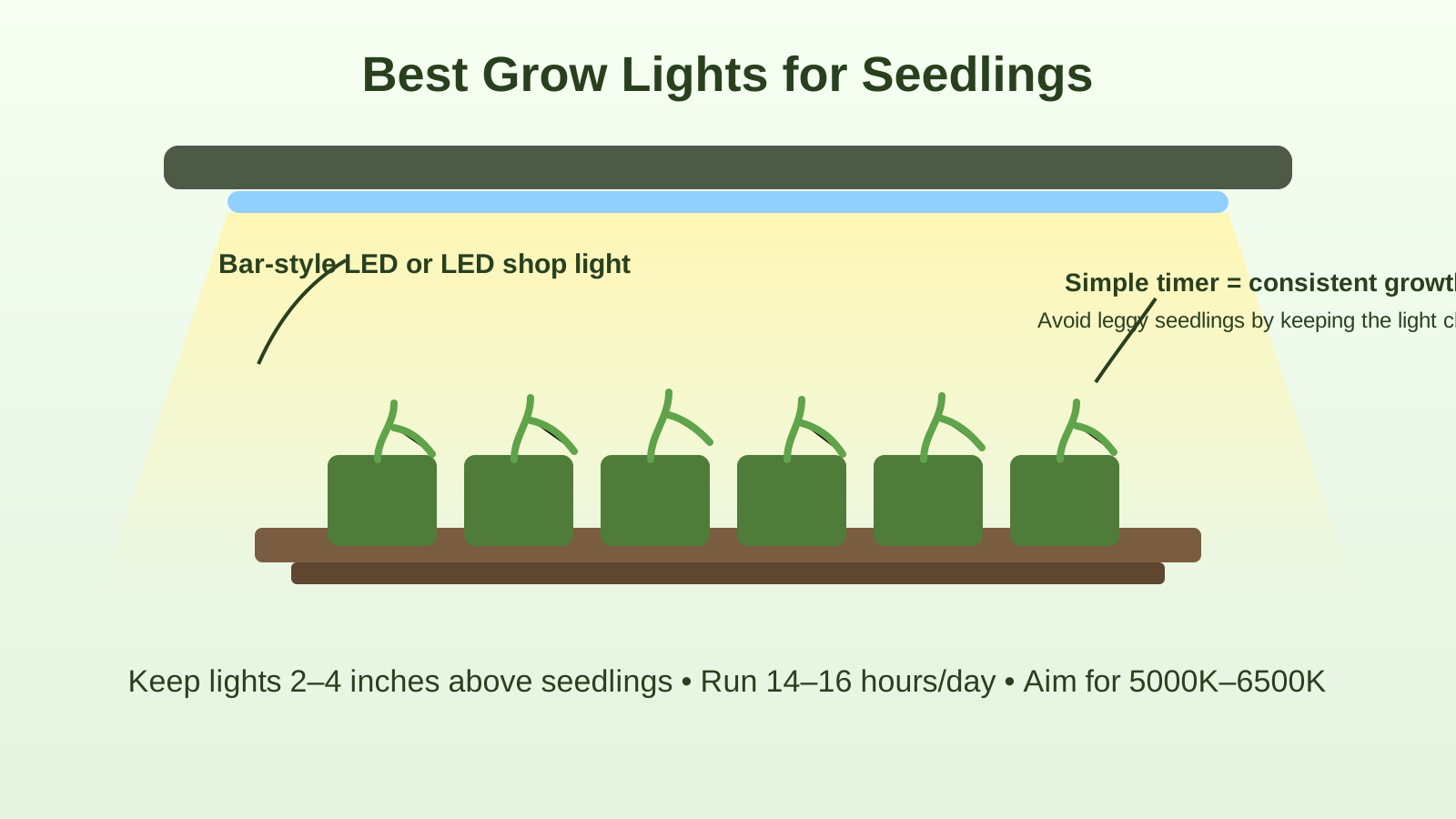
Best Grow Lights for Seedlings That Actually Work
The best grow lights for seedlings are simple, bright, and close to the plants. Here’s what to buy, what to skip, and how to set them up.