How to Grow Garlic in a Raised Bed
Learning how to grow garlic in a raised bed gives home gardeners precise control over soil depth, drainage, and temperature — and noticeably larger bulbs.
Learning how to grow garlic in a raised bed gives home gardeners precise control over soil depth, drainage, and temperature — and noticeably larger bulbs.
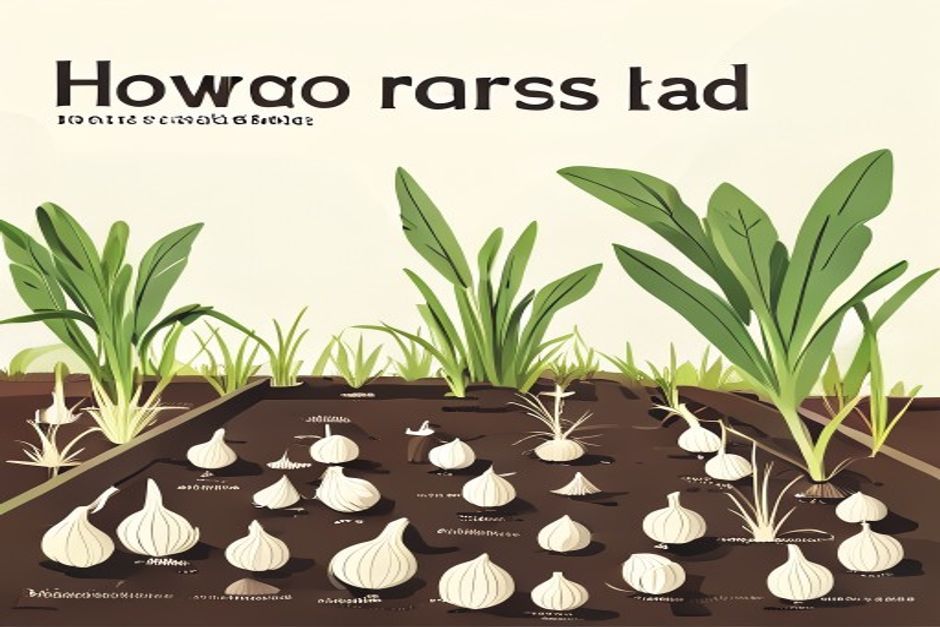
Learning how to grow garlic in a raised bed gives home gardeners precise control over soil depth, drainage, and temperature, resulting in significantly larger bulbs and easier harvesting compared to in-ground planting. Garlic thrives in well-drained, loose soil that is often difficult to achieve in native garden beds, making raised beds an ideal environment for this crop. By elevating the growing medium, you reduce the risk of bulb rot, improve airflow to prevent fungal diseases, and simplify the process of mulching and harvesting. Whether you are starting your first bed or expanding an existing garden, understanding how to grow garlic in a raised bed is the key to a reliable annual harvest of home-grown bulbs.
Disclosure: this article may contain affiliate links.
When is the best time to plant garlic in a raised bed?
Timing is the most critical factor in how to grow garlic raised bed success. For most regions, garlic should be planted in the fall, approximately four to six weeks before the ground freezes. This timing allows the cloves to develop a strong root system before winter dormancy while preventing top growth from emerging and freezing. The cloves require a period of cold exposure, known as vernalization, to properly separate into individual cloves and form a full bulb.
Hardneck garlic varieties generally require longer chilling periods and are best planted in early fall in colder zones. Softneck varieties, which are often preferred in milder climates, can be planted slightly later or even in early spring if winter is too short for adequate chilling. If you are unsure about local frost dates, check your USDA hardiness zone and count back from the average first frost to determine the ideal planting window. Planting too early can result in excessive top growth that may be damaged by winter cold, while planting too late may not provide enough root development time.
How deep should a raised bed be for garlic?
Garlic roots are relatively shallow, but the bulbs need ample room to expand without restriction. A raised bed with a soil depth of at least 6 to 8 inches is recommended for garlic. While garlic can grow in shallower containers, a standard raised bed of 8 inches or more allows for better soil structure, improved water retention, and deeper bulb development. Shallow beds are more prone to soil compaction and rapid drying, which can stress the plants and limit bulb size.
If you are building a new bed specifically for garlic, aim for a width of 4 to 4.5 feet if you want to access the bed from both sides without stepping on the soil. This width ensures you can plant multiple rows while maintaining good airflow. Deep beds also allow you to layer amendments effectively, creating a nutrient-rich profile that supports the plant through its long growth cycle. Proper bed depth is a foundational element of how to grow garlic raised bed strategies because it directly influences soil volume and root health.
What soil mix works best for growing garlic in raised beds?
Garlic requires loose, well-aerated soil that drains quickly. Heavy clay or compacted soil can cause bulbs to become misshapen or fail to expand fully. A high-quality potting mix combined with compost creates the ideal texture. Look for a soil blend that includes perlite or vermiculite to maintain aeration. For example, FoxFarm Happy Frog Potting Soil is a widely available option that contains worm castings, bat guano, and perlite, providing a fluffy structure that garlic roots penetrate easily.
Mix the potting soil with aged compost at a ratio of roughly 60% soil to 40% compost. This blend provides necessary nutrients without the risk of salt buildup associated with some synthetic fertilizers. The soil pH should be between 6.0 and 7.0 for optimal nutrient uptake. Before planting, work the soil to a uniform consistency to eliminate large clumps that could interfere with clove placement. Avoid adding fresh manure, as it can burn roots and introduce pathogens. A balanced soil foundation is essential when learning how to grow garlic raised bed crops to ensure bulbs form correctly and resist disease.
Step-by-step: How to plant garlic cloves in a raised bed
Planting garlic is straightforward, but technique matters. Start by purchasing certified seed garlic from a reputable nursery rather than using cloves from the grocery store. Grocery store garlic is often treated with sprout inhibitors and may carry diseases that can affect your garden. Separate the bulbs into individual cloves gently, keeping the papery skin intact to protect against rot. Do not plant broken or damaged cloves, as these are entry points for fungi.
- Prepare the bed: Loosen the soil and level the surface. Remove any weeds or debris.
- Space the cloves: Plant cloves 4 to 6 inches apart within rows. Keep rows 6 to 8 inches apart to maximize airflow and allow room for bulb expansion.
- Plant depth: Insert cloves with the pointed end facing up and the flat root plate facing down. Cover cloves with 2 to 3 inches of soil. Shallow planting can cause bulbs to be pushed above ground or damage roots during freeze-thaw cycles.
- Mulch immediately: After planting, apply a 2 to 3-inch layer of straw, shredded leaves, or grass clippings. Mulch stabilizes soil temperature and prevents heaving.
Using a narrow dibber or trowel can help create uniform planting holes. Consistent spacing prevents overcrowding, which can lead to smaller bulbs and increased disease pressure. Proper planting depth and spacing are practical steps in how to grow garlic raised bed methods that directly impact yield.
How to water and fertilize garlic growing in raised beds
Raised beds heat up and dry out faster than in-ground soil, requiring attentive watering. Garlic needs consistent moisture, particularly during the spring bulb-swelling phase. Check soil moisture by inserting a finger into the top inch of soil; water when it feels dry. Avoid wetting the foliage, as this encourages fungal issues like white rot and neck rot. A Haws Traditional Watering Can allows for precise watering at the base of the plant, minimizing leaf contact and delivering water where the roots need it.
Fertilize garlic in early spring when green shoots emerge. Garlic is a moderate feeder; excessive nitrogen promotes leafy growth at the expense of bulb size. Apply a balanced organic fertilizer such as Espoma Organic Garden-tone All Purpose Plant Food lightly over the soil surface and water it in. This slow-release formula provides steady nutrition without the risk of salt accumulation. Side-dress the bed with compost in late spring if growth appears sluggish. Stop fertilizing and reduce watering once the lower leaves begin to yellow and die back, signaling that the plant is maturing and preparing for harvest. Overwatering at this stage can cause bulbs to split or rot during curing.
How to manage pests and diseases in raised bed garlic
Good air circulation and proper soil drainage in raised beds naturally reduce many pest and disease pressures. However, aphids and thrips may attack the foliage, particularly in spring. Inspect plants regularly and remove any damaged leaves. Encouraging beneficial insects like ladybugs can help manage aphid populations organically.
Onion botryt rot can occur if humidity is high and airflow is poor. Ensure rows are spaced adequately and avoid overhead watering. Crop rotation is essential to prevent soil-borne diseases. Do not plant garlic or other alliums in the same raised bed location two years in a row. If space allows, rotate garlic with leafy greens or root vegetables. Raised beds make rotation easier because you can swap crops between different bed sections annually. Monitoring plant health and maintaining sanitation are key practices in how to grow garlic raised bed management to keep your harvest safe and abundant.
Frequently Asked Questions
Can I grow garlic in a raised bed with other plants?
Garlic can be interplanted with certain crops like carrots, spinach, or lettuce, as its scent may deter some pests. However, avoid planting garlic near beans or peas, as the garlic can inhibit their growth. Ensure companion plants have similar water and light requirements to prevent competition.
Do I need to harden off garlic before planting?
No, garlic cloves are planted directly into the soil and do not require hardening off. The cloves are dormant and tough enough to withstand outdoor conditions immediately upon planting, provided the timing aligns with your local frost dates.
Why is my garlic growing in a raised bed bolting?
Bolting is common in hardneck garlic varieties and occurs when the plant sends up a flower stalk. It is often triggered by stress or insufficient chilling. Remove the bolting stalks promptly to redirect the plant’s energy back into bulb production, which can help increase bulb size.
How do I know when garlic is ready to harvest from a raised bed?
Garlic is ready to harvest when the bottom third to half of the leaves have turned brown and the upper leaves are still green. This usually occurs in mid-summer, depending on your climate. Lift a test bulb carefully to check if the cloves are well-formed and the skin is papery before harvesting the entire bed.
Conclusion
Growing garlic in a raised bed offers superior control over the growing environment, leading to healthier plants and larger bulbs. By focusing on proper timing, soil preparation, and spacing, you can overcome common challenges and enjoy a reliable harvest year after year. Use high-quality soil amendments, maintain consistent moisture, and practice crop rotation to keep your garlic vigorous and disease-free. With these practical steps, you can master how to grow garlic raised bed techniques and bring the flavor of home-grown garlic to your kitchen table. Explore more resources on raised bed soil recipes to further optimize your growing medium, or check out best garlic varieties to select types that match your climate and culinary goals. For detailed guidance on post-harvest care, review garlic harvesting tips to ensure your bulbs cure properly for long-term storage.