Dealing with Garden Pests Organically
Dealing with garden pests organically requires a combination of accurate identification, targeted interventions, and preventive barriers that protect your…
Dealing with garden pests organically requires a combination of accurate identification, targeted interventions, and preventive barriers that protect your…
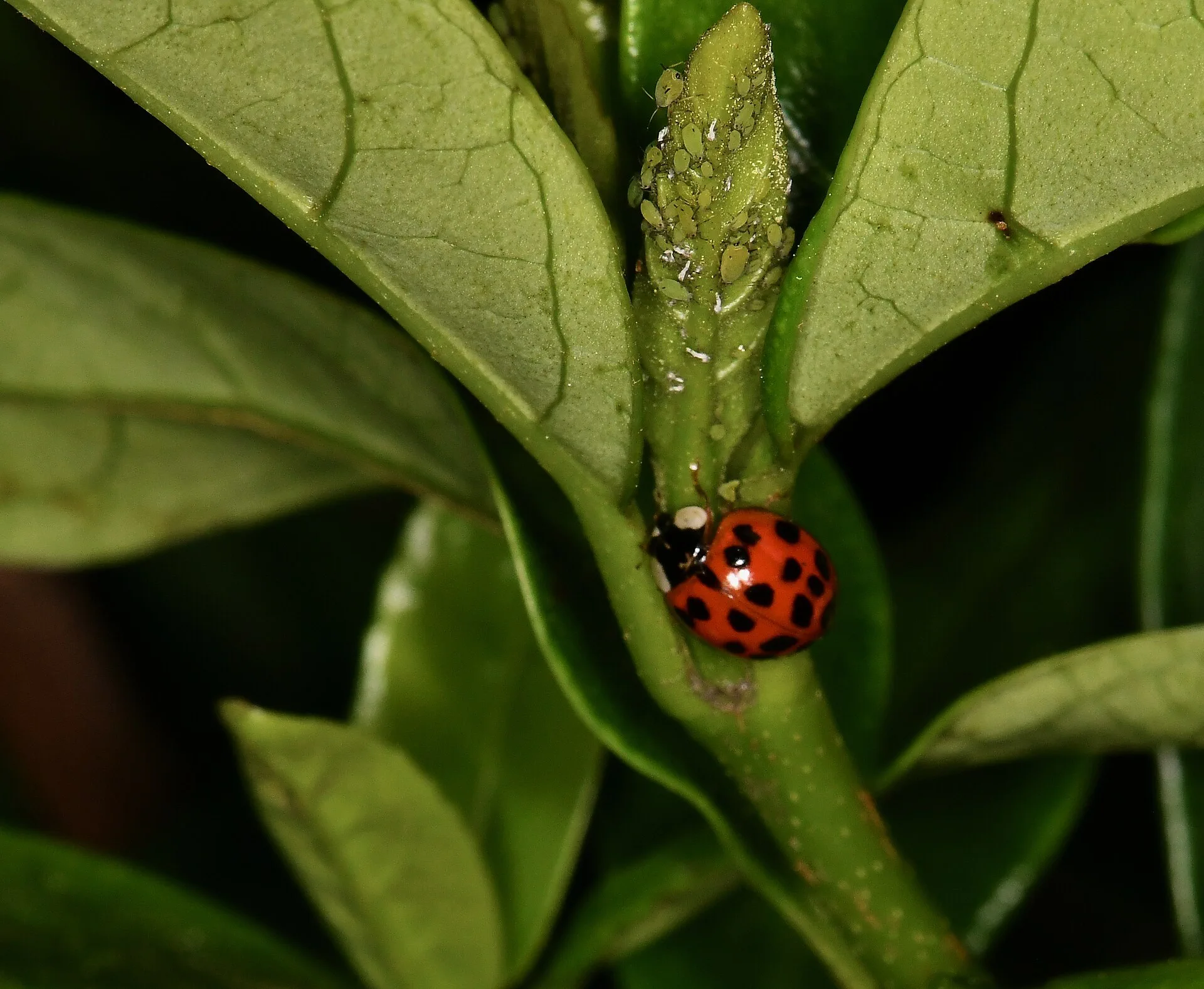
Photo by DAVID S. FERRY III, CC0, via Wikimedia Commons
Dealing with garden pests organically requires a combination of accurate identification, targeted interventions, and preventive barriers that protect your crops without introducing synthetic chemicals. When you spot damaged leaves, sticky residue, or unusual soil activity, the goal is to interrupt the pest life cycle quickly while preserving the beneficial organisms that keep your soil and plants healthy. This approach relies on mechanical removal, botanical sprays, habitat management, and physical exclusion rather than broad-spectrum poisons. By understanding how different insects feed and reproduce, you can apply the right tactic at the right time, reduce crop loss, and maintain a resilient growing environment year after year.
How to identify common garden pests before they spread
Accurate identification determines whether you need a spray, a trap, or simply manual removal. Chewing insects like cabbage loopers, Japanese beetles, and flea beetles leave ragged holes, skeletonized leaves, or dust-like fecal pellets on foliage. Piercing-sucking pests such as aphids, spider mites, and whiteflies cause yellowing, curling, or sticky honeydew that eventually attracts sooty mold. Soil-dwelling threats like cutworms and wireworms sever seedling stems at night or tunnel through roots, leaving plants wilting without obvious above-ground clues.
To identify the culprit correctly, inspect the undersides of leaves during the cooler morning hours, when many insects are less active and easier to spot. Use a hand lens or a smartphone macro mode to examine damage patterns and look for eggs, larvae, or shed skins. Keep a simple garden journal that records which plants show stress, the date of first damage, and any weather shifts that occurred beforehand. Consistent tracking helps you recognize seasonal patterns and apply preventive cultural practices like crop rotation or sanitation before populations explode.
What organic sprays actually work on chewing insects
Organic contact and stomach poisons can be highly effective when applied directly to feeding insects or the plants they consume. Spinosad-based formulations work by disrupting the nervous system of caterpillars and certain adult beetles, causing rapid feeding cessation and death within a day or two of exposure. These products degrade quickly in sunlight, so apply them in the late afternoon to avoid UV breakdown and to minimize contact with foraging pollinators.
For heavy infestations of soft-bodied pests or leaf-eating larvae, many gardeners rely on Bonide Captain Jack’s Deadbug Brew, a widely available spinosad concentrate that mixes easily with a standard pump sprayer. The ready-to-spray versions work well for quick touch-ups, while the concentrate allows you to adjust dilution rates based on plant size and pest pressure. Always cover all leaf surfaces thoroughly, paying close attention to the undersides where larvae often shelter. Rotate spray types throughout the season to prevent pests from developing tolerance, and always follow the label’s reapplication interval.
When dealing with aphids or early-stage caterpillars that haven’t yet moved deep into the soil, insecticidal soaps provide a reliable contact solution. These products coat the pest’s exoskeleton, disrupting cell membranes and causing dehydration. Safer Brand Insect Killing Soap is a potassium fatty acid solution that works on contact and leaves no harmful residue on edible crops. Apply it directly to the insects, reapply after rain, and avoid using it on plants showing signs of drought stress, as soap can cause leaf burn on thirsty foliage.
How to set up physical barriers without damaging plants
Exclusion remains the most reliable long-term strategy because it prevents pests from reaching your plants in the first place. Lightweight floating fabrics let sunlight and water penetrate while blocking adult insects from laying eggs on vegetables. These covers are especially useful for brassicas, leafy greens, and early-season carrots, which are frequent targets for carrot rust flies and cabbage worms. Secure the edges firmly with soil, rocks, or fabric weights to prevent pests from sneaking underneath.
For quick protection across multiple beds, many growers install Miracle-Gro Floating Row Covers, which come in standard garden widths and breathable weaves rated for seasonal use. The material drapes easily over low tunnels or support hoops without requiring heavy hardware. Remove the covers temporarily when plants reach the flowering stage if you need pollination, then reinstall them once fruit or seed set begins to prevent late-season infestations. Proper ventilation prevents heat buildup on sunny days, and the fabric typically lasts several seasons with careful storage.
Physical removal should never be overlooked as a primary control method. Hand-picking large beetles, dropping them into soapy water, or shaking small branches over a bucket can reduce populations significantly before chemicals or covers are needed. Inspect plants twice weekly during peak growing months, and remove heavily infested leaves promptly to limit egg-laying sites. Combine manual removal with trap crops like nasturtiums or radishes planted near valuable vegetables to draw pests away from your main harvest.
When to introduce beneficial insects for natural balance
Predatory insects and parasitic wasps provide ongoing suppression when your garden environment supports them. Lady beetles, lacewing larvae, and ground beetles actively hunt aphids, mites, and soft-bodied caterpillars, while tiny parasitic wasps deposit eggs inside larger pests, eventually halting their development. These allies thrive in gardens with continuous blooming plants, undisturbed soil patches, and minimal broad-spectrum treatments.
To establish a functional predator population, plant nectar-rich flowers like alyssum, dill, buckwheat, and cosmos near your vegetable beds. Allow some plant debris and mulch to remain on the soil surface, as many predatory beetles and spiders use these areas for shelter and hunting. Avoid applying sprays during peak foraging hours, and choose products that explicitly state they are safe for pollinators and beneficial insects when used as directed. A balanced ecosystem reduces the frequency of outbreaks, meaning you can rely on monitoring and minor interventions rather than repeated treatments.
Frequently Asked Questions
How long does it take for organic sprays to kill garden pests? Contact soaps and spinosad formulations typically show results within 24 to 48 hours after direct application. You will notice stopped feeding and visible mortality on the treated plants, but you may need a second application five to seven days later to catch newly hatched larvae.
Can organic pest control damage my vegetables if I eat them soon after? Organic products like insecticidal soaps and spinosad break down rapidly in sunlight and air, leaving minimal residue on harvestable crops. Most labels recommend a short waiting period of a few days before harvesting, so follow the specific instructions on the container to ensure safety.
When is the best time to apply organic insect treatments? Apply treatments in the late afternoon or early evening when temperatures are cooling and pollinators are less active. This timing maximizes product retention on leaves, reduces UV degradation, and minimizes exposure to beneficial foraging insects.
Do floating row covers prevent all types of garden pests? Row covers effectively block flying adult insects from reaching your plants, but they do not stop soil-dwelling pests like cutworms, root maggots, or slugs. Combine fabric barriers with soil collars, diatomaceous earth bands, or trap crops to address ground-level threats.
Conclusion
Managing insect pressure without synthetic chemicals is entirely achievable when you combine careful observation, timely interventions, and consistent habitat management. Start by identifying the exact pest, apply targeted organic sprays or physical barriers as needed, and maintain flowering plants that support natural predators. Rotate your tactics, inspect plants regularly, and document what works best in your specific microclimate. With a structured approach, you will protect your harvest, preserve soil health, and build a garden ecosystem that handles future pressure with minimal disruption.
Disclosure: this article may contain affiliate links. choosing raised bed lumber