How to Grow Pumpkins in a Small Garden
Photo by Author E. D. Darlington and L. M. Moll Editor W. Atlee Burpee, Public domain, via Wikimedia Commons
Photo by Author E. D. Darlington and L. M. Moll Editor W. Atlee Burpee, Public domain, via Wikimedia Commons
Disclosure: this article may contain affiliate links.
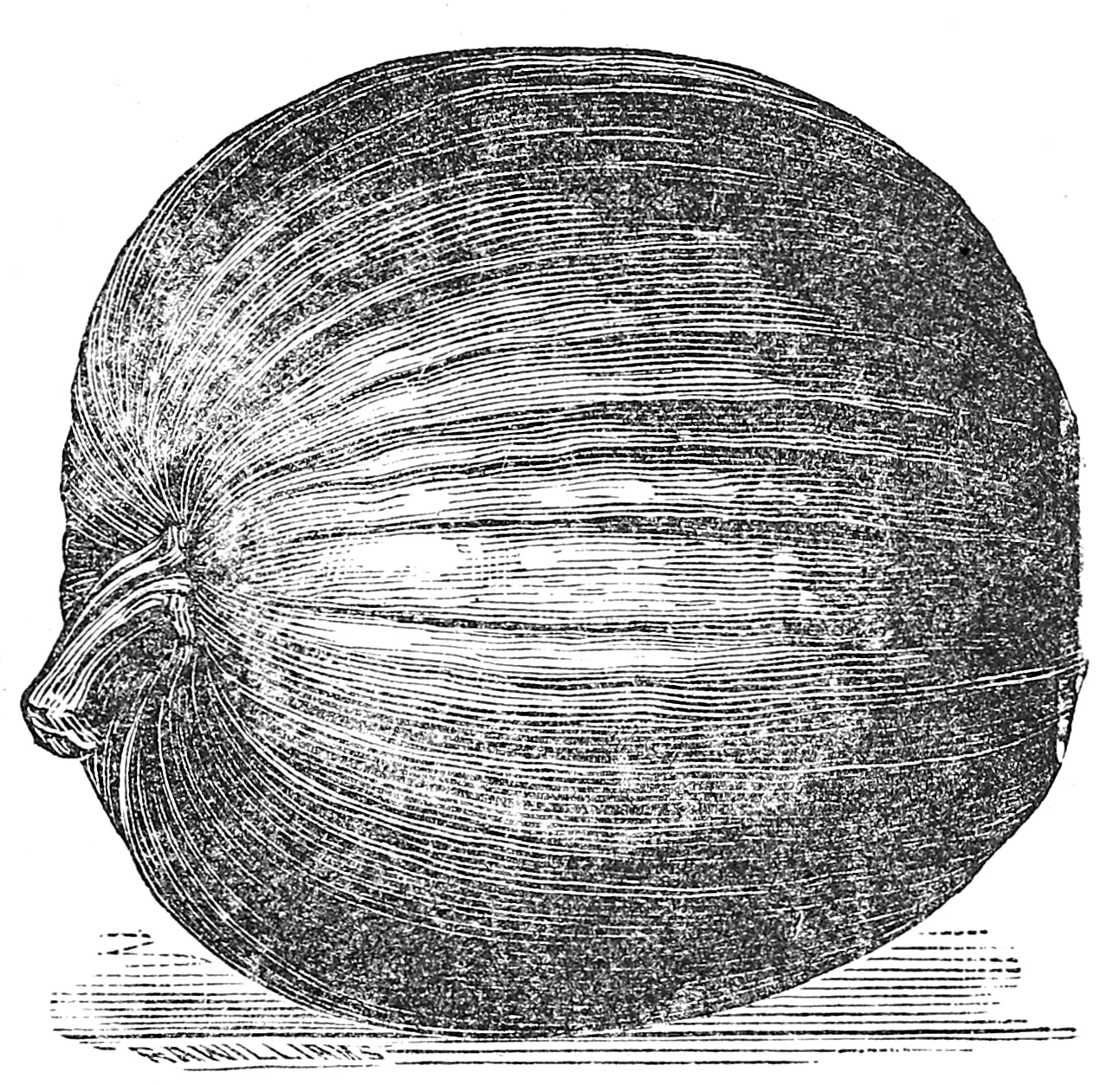
Photo by Author E. D. Darlington and L. M. Moll Editor W. Atlee Burpee, Public domain, via Wikimedia Commons
Growing pumpkins in a small garden is entirely possible if you choose the right varieties and manage your space with intention. You do not need an acreage; you only need a few square feet of open ground or large containers that can accommodate compact vines. The secret lies in selecting “pie” or “sugar” pumpkins, which have significantly shorter vines than their giant jack-o’-lantern cousins. By using vertical supports and proper spacing, you can produce edible, high-quality fruit in a backyard of just fifty to one hundred square feet. This approach prioritizes flavor and yield over size, ensuring your harvest is worth the effort.
Why Traditional Pumpkins Fail in Small Spaces
Most gardeners fail when trying to grow pumpkins in limited areas because they plant the wrong type of vine. Standard field pumpkins, such as the popular ‘Jack Be Little’ or ‘Howden,’ send out vines that can range from ten to fifteen feet in length. These sprawling growth habits quickly choke out neighboring plants like tomatoes, peppers, and herbs. In a small garden, this competition for light and nutrients leads to stunted growth and lower yields across the board.
Furthermore, large field pumpkins require substantial pollination space and airflow. When vines are crowded, humidity increases around the base of the plants, creating a perfect environment for powdery mildew and other fungal diseases. These pathogens thrive in the dense, shaded microclimates created by overgrown vines. To succeed, you must abandon the idea of growing massive decorative gourds and focus on varieties bred for compactness.
Choosing the Right Compact Varieties
The first step to successful small-space pumpkin cultivation is selecting a variety that matches your available footprint. Look for seeds labeled as “bush” or “compact” types. These plants typically have vines that stay within two to four feet of the central stem. Some of the most reliable and widely available options include ‘Table Queen,’ ‘Sugar Pie,’ and ‘Cinderella.’
Table Queen is a classic choice for home gardeners. It produces uniform, round fruits that average around ten pounds. The vines are manageable, usually staying under four feet, making it ideal for raised beds. Sugar Pie varieties, such as ‘Connie’s Sugar Pie’ or ‘Babcock Pie,’ are prized for their sweet, dense flesh. These are often the best choice if you plan to bake pies or make purée. Cinderella pumpkins are another excellent option, known for their vibrant orange color and slightly flatter shape. They have a strong genetic resistance to many common pumpkin diseases, which is a huge plus in humid climates.
When buying seeds, check the packet for the expected vine length. If the packet states “indeterminate” or does not list a specific length, assume it will spread widely and avoid it for small gardens. You can find these specific seeds at major garden centers or through reputable online seed catalogs. For soil preparation, consider using a high-quality potting mix for container gardening for containers) to ensure proper drainage in smaller plots.
Spacing and Soil Preparation for Limited Areas
Even compact pumpkins need room to breathe. In a traditional in-ground bed, space your plants at least three to four feet apart in all directions. This allows air to circulate around the base of the plant, reducing the risk of disease. If you are growing in a raised bed, ensure the soil depth is at least eight inches. Pumpkins are heavy feeders, so they deplete soil nutrients quickly.
Before planting, enrich the soil with compost. Incorporate two to three inches of aged compost or well-rotted manure into the top six inches of soil. This adds essential nitrogen, phosphorus, and potassium, which are crucial for fruit development. You can also add a balanced organic fertilizer at planting time. Avoid using fresh manure, as it can burn the roots and introduce weed seeds.
If you are growing in containers, use pots that are at least fifteen gallons in size. A single plant per pot is the minimum recommendation to ensure the root system has enough room to access water and nutrients. Place the containers in a sunny spot that receives at least six to eight hours of direct sunlight daily. Pumpkins are sun-lovers, and insufficient light will result in small, flavorless fruit.
Vertical Growing Techniques
One of the most effective strategies for saving space is to grow pumpkins vertically. Instead of letting the vines run along the ground, guide them up a trellis, fence, or cage. This keeps the fruit off the soil, reducing the risk of rot and pest damage from ground-dwelling insects. It also makes harvesting easier, as you do not have to dig through tangled vines to find the fruit.
Build a sturdy structure that can support the weight of the maturing pumpkins. A simple wooden trellis or a heavy-duty metal fence will work well. As the vines grow, loosely tie them to the structure using soft twine or plant ties. Do not tie the vines tightly, as this can girdle the stem and cut off nutrient flow.
For each developing fruit, you may need to provide individual support. As the pumpkin grows heavier, the stem may snap under its weight. Use a soft mesh bag or a slung cloth to cradle the fruit, suspending it from the trellis above. This prevents the stem from breaking and ensures the fruit continues to mature. Check the support systems weekly, as the fruit will continue to gain weight throughout the season.
Watering and Feeding for Optimal Yield
Consistent moisture is key to preventing cracked skins and maintaining fruit quality. Pumpkins need about one to two inches of water per week, including rainfall. Water deeply at the base of the plant, avoiding wetting the leaves. Wet leaves are the primary vector for powdery mildew, a common problem in pumpkin gardens.
Use a drip irrigation system or a soaker hose to deliver water directly to the roots. This method is more efficient than overhead sprinklers and reduces water waste. If you are using containers, check the soil moisture daily. Container soil dries out faster than in-ground soil, especially in hot, sunny weather. Keep the soil consistently moist but not waterlogged.
Fertilize your plants every two to three weeks during the growing season. Use a balanced organic fertilizer or a fertilizer specifically formulated for vegetables. Avoid over-fertilizing with high-nitrogen products, as this encourages excessive vine growth at the expense of fruit production. A balanced approach ensures that the plant allocates energy to both foliage and fruit development.
Pollination and Fruit Set
Pumpkins have separate male and female flowers. Male flowers appear first on long stems, while female flowers have a small, immature fruit, called an ovary, at the base. For fruit to develop, pollen must be transferred from the male flower to the female flower. This is usually done by bees, but in small gardens, bee activity may be limited.
If you notice that female flowers are dropping off before they set fruit, you may need to hand-pollinate. In the morning, when the flowers are open, pick a fresh male flower and strip away the petals. Gently rub the pollen-covered anther onto the stigma of the female flower. Repeat this process for every female flower that opens. Hand-pollination takes only a few minutes and can significantly improve your yield in small gardens.
Harvesting and Storage
Harvest pumpkins when the stem has turned woody and the skin is hard and dull. Press your thumbnail into the rind; if it does not leave a mark, the pumpkin is ready to pick. Use sharp pruning shears to cut the stem, leaving at least two to three inches of stem attached to the fruit. The stem acts as a barrier to rot, so removing it entirely can shorten the storage life.
Cure your pumpkins before storing them. Place them in a warm, dry location with good air circulation for ten to fourteen days. This process hardens the skin and heals any minor wounds, extending the shelf life of the fruit. Properly cured pumpkins can be stored in a cool, dark place for several months. If you are growing for immediate use, you can also freeze pureed pumpkin for later baking.
Frequently Asked Questions
How many pumpkins can I grow in one square foot? You should only grow one compact pumpkin plant per three to four square feet of space. Planting them closer than this leads to overcrowding, poor air circulation, and increased disease pressure. Each plant needs enough room to spread its leaves and receive adequate sunlight.
Can I grow pumpkins in pots on a balcony? Yes, you can grow compact pumpkin varieties in large pots on a balcony. Ensure the pot is at least fifteen gallons in size and has good drainage. Provide full sun and consistent watering, as container plants dry out faster than those in the ground. Choose a dwarf or bush variety to keep the plant manageable.
What is the best way to prevent powdery mildew? Prevent powdery mildew by watering at the base of the plant and ensuring good air circulation. Avoid overhead watering, which wets the leaves and creates a humid environment for spores. Plant in full sun and space plants adequately to allow air to move freely through the canopy.
Do I need to remove the male flowers? No, you should not remove male flowers unless you are hand-pollinating and have an excess. Male flowers are essential for producing pollen, which is necessary for fruit set. Without male flowers, you will not get any pumpkins. Only remove them if they are diseased or if you are intentionally limiting the number of fruits to produce.
How long does it take for pumpkins to ripen after flowering? Most compact pumpkin varieties take between fifty and sixty days to mature from flower to full ripeness. This timeline can vary slightly depending on the specific variety and growing conditions. Monitor the color and skin hardness to determine the exact time of harvest.