Vegetable Garden
How to Grow Cucumbers at Home: A Beginner-Friendly Guide
Learn how to grow cucumbers at home with practical beginner tips on timing, soil, trellising, watering, feeding, pests, and harvests.
Learn how to grow cucumbers at home with practical beginner tips on timing, soil, trellising, watering, feeding, pests, and harvests.
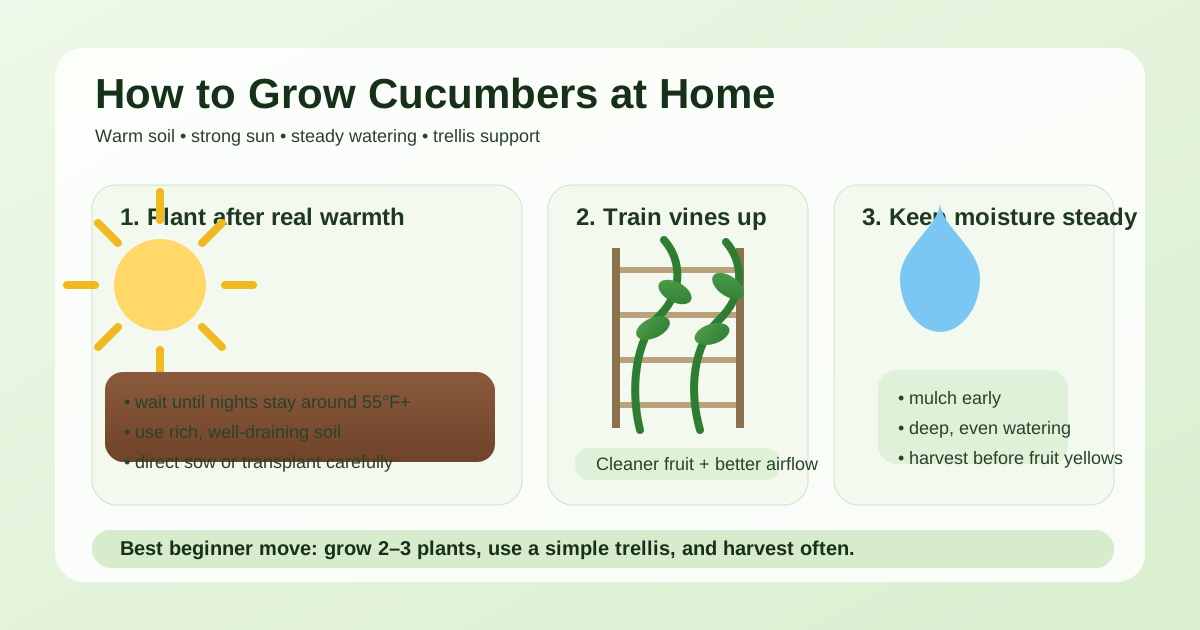
Cucumbers are one of the easiest summer crops to love and one of the easiest to mess up by planting too early. If you want to grow cucumbers at home, the winning formula is simple: wait for real warmth, give them sun, keep the soil consistently moist, and get the vines off the ground if you can. Do that, and even a beginner can get a genuinely useful harvest.
Cucumbers also fit small-space gardening better than people think. Bush varieties work in containers, and vining types can be trained up a simple trellis instead of sprawling across half the yard.
Pick the right cucumber type first
Most beginners should decide between slicing cucumbers and pickling cucumbers before they buy seeds.
Slicing cucumbers are the long ones you use for salads and sandwiches. They are usually more productive for everyday kitchen use.
Pickling cucumbers stay shorter, firmer, and better suited to jars, though you can absolutely eat them fresh too.
You also need to choose between vining and bush plants.
- Vining cucumbers give you the most production for the space, but they want a trellis or room to roam.
- Bush cucumbers stay more compact and make more sense for containers or tiny beds.
If you are still figuring out what belongs in your first garden, start with our guide to the easiest vegetables to grow for beginners. Cucumbers usually make that list for good reason.
When to plant cucumbers
Cucumbers are a warm-season crop. Cold soil slows them down fast, and a late frost can wipe them out.
A practical beginner rule is:
- direct sow or transplant after your last frost
- wait until nights are staying around 55°F or warmer
- plant only when the soil feels warm, not just the afternoon air
That timing matters right now because late March is when many gardeners start planning cucumbers for the first real warm stretch of spring. Clemson Extension’s March 2026 garden guidance specifically called out cucumbers, squash, and melons as summer crops people are starting indoors or preparing for now, which lines up with the normal spring rush toward warm-season planting.
If you want help with timing the rest of your garden, our seasonal planting guide keeps you from treating one warm weekend like a binding contract.
Should you direct sow or start cucumbers indoors?
In most cases, direct sowing is easier.
Cucumbers grow fast and dislike root disturbance. In warm climates or once the soil has warmed up, planting seeds directly in the bed is usually the least annoying option.
Starting indoors can still make sense if:
- your spring is short
- your last frost runs late
- you want an earlier harvest
- you are using larger cells or biodegradable pots and transplant carefully
If you do start them indoors, keep the lead time short — usually about 3 to 4 weeks before transplanting, not two months like peppers or tomatoes. Otherwise they outgrow their containers and resent you for it.
For seed trays, light, and basic setup, our full starting seeds indoors guide covers the process. A simple seed starting tray kit on Amazon is enough for cucumbers if you are starting just a few plants. Affiliate link — we may earn a small commission at no cost to you.
Where cucumbers grow best
Cucumbers want the same basic things most summer vegetables want, but they are less forgiving about water.
Give them:
- 6 to 8+ hours of direct sun
- rich, well-draining soil
- steady moisture
- good airflow
- support for vining types
Raised beds are a strong setup because the soil warms faster in spring and drains better after heavy rain. That is a big reason cucumbers keep showing up in raised-bed planting guides every spring.
If you are building a new vegetable space, raised bed gardening for beginners will get the setup right before you add plants.
Soil for healthy cucumber plants
Cucumbers like fertile soil with enough organic matter to stay evenly moist without turning swampy.
A good target is:
- loose soil that drains well
- compost mixed in before planting
- slightly acidic to neutral pH
- enough fertility to support fast leaf and fruit growth
If your soil dries out instantly, cucumbers get bitter and stressed. If it stays soggy, roots sulk and disease pressure goes up.
For containers, skip yard soil completely. Use quality potting mix and a large enough pot that the roots do not cook and dry out every afternoon. If you are still sorting out container soil, the best soil for potted plants explains what actually matters.
How far apart to plant cucumbers
Spacing depends on whether you let them sprawl or train them upward.
For trellised cucumbers
- plant about 12 inches apart
- keep rows or nearby structures open enough for airflow
- train vines up as they grow
For sprawling cucumbers
- give plants about 36 to 48 inches
- expect them to claim more room than the tag suggests
Bush cucumbers in containers can usually go one plant per large pot.
Crowding cucumbers is one of those mistakes that seems fine in May and becomes a mildew jungle in June.
Why a trellis is worth it
A trellis solves several cucumber problems at once.
It helps with:
- cleaner fruit
- better airflow
- easier harvesting
- less disease pressure from leaves sitting on wet soil
- better use of small-space gardens
You do not need an elaborate setup. A simple net, panel, or cattle-panel style support works.
If you want an easy option, a basic garden trellis netting setup on Amazon is enough for most backyard cucumber beds.
Growing cucumbers in containers
Yes, cucumbers can work in containers — if the container is actually big enough.
Use:
- at least a 5-gallon container for compact or bush types
- a larger container for vining plants if you want less drama
- drainage holes
- a trellis or stake for support
Bush cucumbers are the safer beginner choice for patios and balconies. Vining types can still work, but they need more water and more support.
If container gardening is your main setup, container gardening for small spaces will help you avoid the usual mistakes.
Watering cucumbers without getting bitter fruit
This is the part people underestimate.
Cucumbers are mostly water, so inconsistent watering shows up fast in the harvest. When plants swing from dry to soaked to dry again, fruit quality drops and bitterness becomes more likely.
A useful rule:
- water deeply
- keep the soil evenly moist
- use mulch to slow evaporation
- do not leave roots constantly waterlogged
Once plants are flowering and fruiting, expect water demand to jump.
Mulch helps a lot here. Straw or shredded leaves reduce splash, slow drying, and make your watering schedule less chaotic. If watering has been a weak point in your garden generally, read the garden watering schedule guide and overwatering vs underwatering before cucumbers start punishing guesswork.
Feeding cucumbers for better yields
Cucumbers are moderately heavy feeders. They do best when the soil is rich from the start and they get a little extra support once they begin growing fast.
A simple plan:
- mix compost into the bed before planting
- use a balanced fertilizer at planting time if your soil is average
- feed again when vines are growing strongly or flowers appear
- avoid dumping on huge amounts of nitrogen late, or you will get more leaf growth than fruit
If fertilizer labels still feel like fake chemistry class, NPK fertilizer explained will make them less annoying.
A straightforward vegetable garden fertilizer on Amazon works fine for cucumbers as long as you use it moderately and keep the soil moisture steady.
Common cucumber problems
Flowers but no cucumbers
Often this is just timing. Many cucumber plants produce male flowers first. Female flowers come later.
If the plant is flowering well but not setting fruit after that, poor pollination, heat stress, or inconsistent watering are common reasons.
Yellow leaves
Usually watering stress, crowding, nutrient issues, or simple lower-leaf aging. If the whole plant looks washed out, check moisture first.
Powdery mildew
This gets worse with crowding and poor airflow. Trellising, spacing, and watering the soil instead of soaking leaves all help.
Pests chewing leaves or attacking new growth
Cucumber beetles, aphids, and squash-adjacent pests show up fast in warm weather. Catching them early matters more than trying to fix a full-blown mess later. Our guide to natural pest control in the garden is the least-chaotic place to start.
If you are planting cucumbers near other vegetables, companion plants for tomatoes is still useful reading for the general pest-management mindset, even though cucumbers need their own specific pairings like dill, nasturtiums, and flowers that attract pollinators.
When to harvest cucumbers
Harvest cucumbers while they are still tender, firm, and glossy.
Do not wait for giant baseball-bat fruit unless the variety is meant for that. Oversized cucumbers get seedy, watery, and signal the plant to slow down.
Check plants every day or two once production starts. Regular harvesting keeps new fruit coming.
For most slicing cucumbers, that means picking when they look full-sized for the variety but before the skin dulls or yellows.
The easiest beginner strategy
If you want the simplest path to success this season, do this:
- grow 2 to 3 cucumber plants, not 12
- choose one reliable slicing variety
- direct sow after warm weather settles, or start indoors only briefly
- use a trellis if you have one
- mulch early
- water consistently once flowering starts
- harvest often
That is enough to get a real crop without turning cucumbers into an obsession.
Related Reads
- Raised Bed Gardening for Beginners — build a warmer, easier setup for summer vegetables
- Starting Seeds Indoors: A Step-by-Step Guide for Beginners — better starts if you choose to begin cucumbers inside
- Garden Watering Schedule Guide — keep moisture steady once vines and fruit take off
This post contains affiliate links. If you buy through our links, we may earn a commission at no cost to you. We only recommend products we’d genuinely use.
Keep reading
Related guides
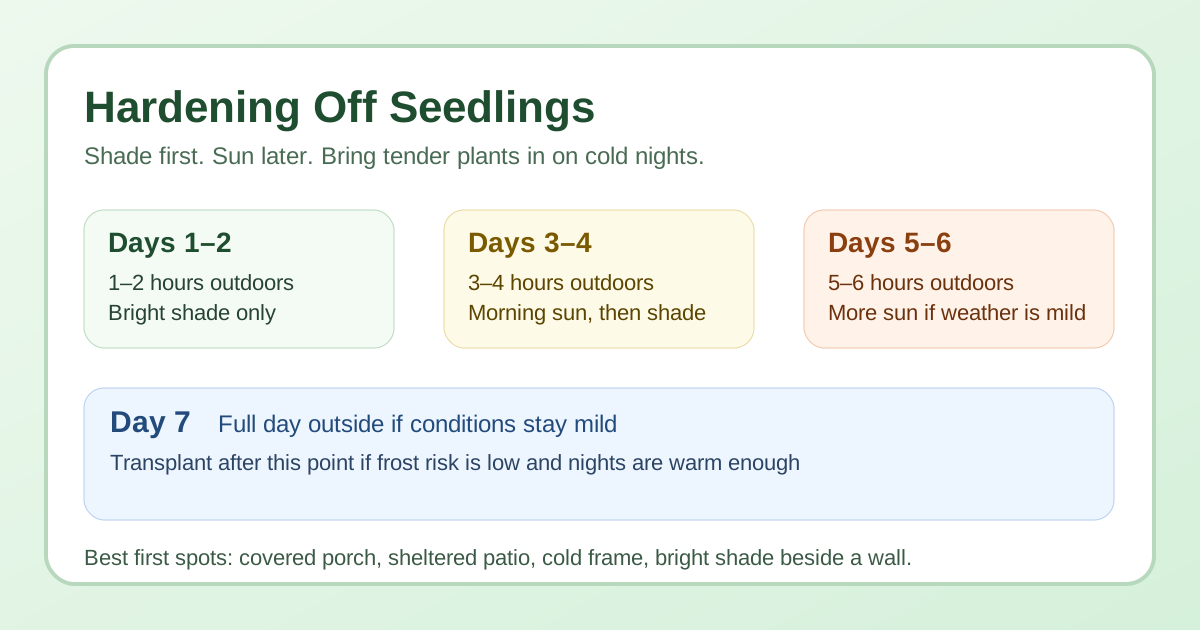
How to Harden Off Seedlings Without Killing Them
Learn how to harden off seedlings the right way so tomatoes, peppers, herbs, and flowers can move outdoors without transplant shock.
How to Grow Peppers at Home: A Beginner-Friendly Guide
Learn how to grow peppers at home from seed to harvest, including timing, soil, watering, feeding, and container tips for beginners.

How to Grow Strawberries at Home (In the Ground or in Containers)
Strawberries are one of the most rewarding crops a beginner can grow — in raised beds, containers, or hanging baskets. Here's exactly how to do it right.