Vegetable Garden
The Easiest Vegetables to Grow for Beginners
Not all vegetables are equally easy. These beginner-friendly vegetables grow fast, forgive mistakes, and give you real harvests without requiring expert-level care.

Not all vegetables are equally easy. These beginner-friendly vegetables grow fast, forgive mistakes, and give you real harvests without requiring expert-level care.
Starting a vegetable garden is exciting until you realize that some vegetables are genuinely difficult — slow to grow, demanding in their requirements, or prone to pest problems that test even experienced gardeners. If you’re new to growing food, starting with the easiest vegetables dramatically improves your chances of success and keeps you motivated.
Here are the vegetables that reward beginners most reliably.
1. Lettuce and Salad Greens
Why it’s easy: Lettuce germinates fast (sometimes in 3–5 days), grows quickly, and you can start harvesting in as little as 3–4 weeks. Cut-and-come-again varieties (loose-leaf types) let you harvest outer leaves repeatedly while the plant keeps growing.
What you need: Cool weather (spring or fall), partial sun is fine, consistent moisture. Lettuce actually prefers not to be in scorching sun — it bolts (goes bitter and flowers) in heat.
Varieties to start with: Buttercrunch, Red Sails, Simpson Elite, or any mesclun mix.
Tip: Succession plant every 2–3 weeks for a continuous harvest rather than one big crop all at once.
2. Radishes
Why it’s easy: Radishes are ready to harvest in 3–4 weeks — one of the fastest vegetables you can grow. They’re direct-sown (drop seeds right where they’ll grow), require minimal care, and grow well in small spaces.
What you need: Cool weather, loose soil, regular watering. Avoid planting in summer — they bolt in heat.
Varieties to start with: Cherry Belle (classic), French Breakfast (mild and elongated), Daikon (larger, milder, takes a bit longer).
Tip: Plant them in garden beds you’re waiting on — they’ll be done before your tomatoes or cucumbers need the space.
3. Green Beans (Bush Beans)
Why it’s easy: Bush beans are direct-sown, grow fast, and are productive. They need minimal support (unlike pole beans, which need trellising) and are forgiving of light inconsistencies in watering.
What you need: Warm weather (plant after last frost), full sun, regular watering. Direct sow seeds 1–2 inches deep.
Varieties to start with: Blue Lake 274, Provider, Contender.
Tip: Don’t plant before the soil warms — bean seeds rot in cold, wet soil. Wait until soil is at least 60°F.
4. Zucchini and Summer Squash
Why it’s easy: Zucchini is famously productive — almost aggressively so. One or two plants will produce more than most households can eat. They grow fast, fruit within about 50–60 days of transplanting, and are very forgiving.
What you need: Full sun, warm weather, plenty of space (the plants get big), consistent watering.
Varieties to start with: Black Beauty (classic green), Golden (yellow), Patio Star (compact variety for containers).
Tip: Harvest zucchini small (6–8 inches) — they’re more tender and flavorful than the giant ones that hide under leaves and become baseball bat-sized overnight.
5. Cherry Tomatoes
Why they’re easier than large tomatoes: Cherry tomatoes are more forgiving than large beefsteak types, produce faster, and are less susceptible to cracking and blossom end rot. They’re almost always productive, even for beginners.
What you need: Full sun (minimum 6–8 hours), warm weather, staking or caging, consistent watering.
Varieties to start with: Sweet 100, Sun Gold (orange, incredibly sweet), Juliet, Black Cherry.
Tip: Use tomato cages from the start — plants get heavy with fruit and the support helps.
6. Herbs: Basil and Chives
Why they’re easy: Herbs are among the most practical things you can grow — you use them regularly, they don’t need much space, and they’re very beginner-friendly. Chives are nearly indestructible; basil grows fast and is very rewarding.
What you need: Sun for basil (6+ hours), partial shade is okay for chives. Regular watering for basil; chives are more drought-tolerant.
Tip: Pinch basil flowers as soon as they appear to keep the plant producing leaves.
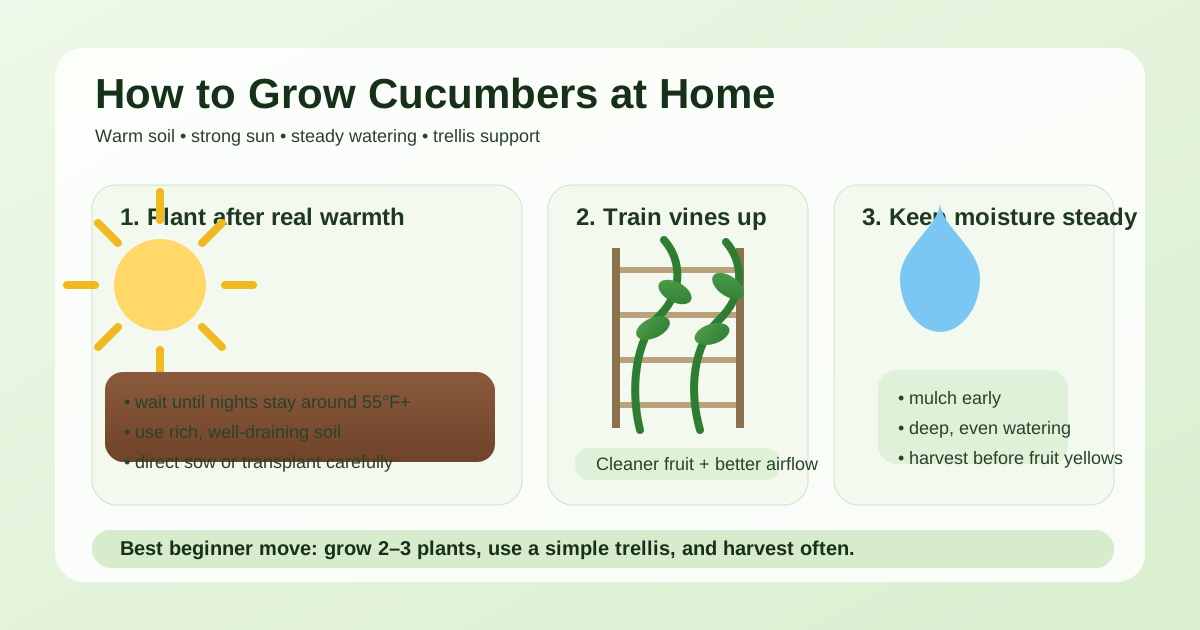
7. Cucumbers
Why they’re easy (once established): Cucumbers are fast-growing and productive in warm weather. They need a trellis (climbing keeps them cleaner and saves space), but they’re not particularly demanding.
What you need: Full sun, warm weather, consistent watering, a trellis or fence to climb.
Varieties to start with: Marketmore (reliable classic), Straight Eight, Spacemaster (compact, good for containers).
Tip: Pick cucumbers regularly — leaving overripe fruit on the vine signals the plant to stop producing.
8. Kale and Swiss Chard
Why they’re easy: Both are cold-hardy (kale especially can survive frosts), grow quickly, and you harvest leaves repeatedly over a long season. They’re much more forgiving than other brassicas (broccoli, cauliflower) and don’t require as precise timing.
What you need: Full sun or partial shade, consistent moisture, cool to mild temperatures. Both grow well in spring and fall; kale can go through winter in mild climates.
Varieties to start with: Lacinato (Dino) kale, Red Russian kale, Rainbow chard.
Vegetables to Avoid as a Beginner
Not starting with these makes your life easier:
- Broccoli and cauliflower: Timing-sensitive, need to mature in cool weather, and prone to pest problems (cabbage worms love them)
- Corn: Needs a lot of space, needs to be planted in blocks for pollination
- Melons: Need a long season, a lot of space, and warm nights to develop good flavor
- Carrots: Need very loose, deep, rock-free soil; tricky to get right in beds with average soil
Start with the forgiving ones, build your skills and confidence, and expand into harder vegetables once you know your garden’s quirks.
Growing in Containers
If you don’t have garden space, most vegetables on this list can be grown in containers: lettuce, radishes, herbs, cherry tomatoes, bush beans (in a large pot), and compact zucchini varieties all work. Match pot size to plant size — bigger is better for productive vegetables.
Keep reading
Related guides
How to Grow Cucumbers at Home: A Beginner-Friendly Guide
Learn how to grow cucumbers at home with practical beginner tips on timing, soil, trellising, watering, feeding, pests, and harvests.
How to Harden Off Seedlings Without Killing Them
Learn how to harden off seedlings the right way so tomatoes, peppers, herbs, and flowers can move outdoors without transplant shock.
How to Grow Peppers at Home: A Beginner-Friendly Guide
Learn how to grow peppers at home from seed to harvest, including timing, soil, watering, feeding, and container tips for beginners.