Vegetable Garden
Container Gardening for Small Spaces and Apartments
No yard? No problem. Container gardening lets you grow herbs, vegetables, and beautiful plants on a balcony, patio, or even a sunny windowsill.

No yard? No problem. Container gardening lets you grow herbs, vegetables, and beautiful plants on a balcony, patio, or even a sunny windowsill.
One of the most common misconceptions about gardening is that you need a yard. You don’t. A sunny balcony, a south-facing patio, a bright windowsill — these are all legitimate growing spaces. Container gardening has gotten genuinely sophisticated, and with the right plants, containers, and setup, you can grow herbs, vegetables, and flowers in spaces that seem impossibly small.
Here’s how to do it well.
What You Can Actually Grow in Containers
More than you’d think:
Herbs — basil, mint, chives, parsley, cilantro, rosemary, thyme. All excellent in containers. In fact, containers are the ideal way to grow mint, which spreads aggressively in garden beds. If your “container garden” is really a kitchen counter or sunny sill, our guide to the best indoor herb garden kits can save you from buying a bunch of mismatched pieces.
Salad greens and lettuce — fast-growing, shallow-rooted, and perfect for window boxes or shallow containers.
Cherry tomatoes — with a large pot (10 gallons) and a sunny spot, absolutely doable. Choose compact or patio varieties.
Peppers — surprisingly container-friendly. They have compact root systems and do well in 5-gallon pots.
Bush beans — direct-sow into a large container and you’ll get real harvests.
Radishes — one of the fastest vegetables, good for any container with 6+ inches of depth.
Zucchini — needs a large pot and space to spread, but compact varieties work on patios.
Strawberries — designed for containers, honestly. Hanging baskets, tiered towers, window boxes.
Kale, chard, spinach — productive, cold-tolerant, and attractive in large pots.
The Critical Factor: Sunlight
Before planning your container garden, be honest about how much sun your space gets. Measure by observing, not guessing.
- 6–8+ hours of direct sun: You can grow tomatoes, peppers, cucumbers, beans, herbs, most vegetables.
- 4–6 hours: Leafy greens, herbs (most), radishes, some flowers.
- Under 4 hours: Stick to shade-tolerant herbs (mint, chives, parsley) and salad greens.
A north-facing balcony or a space deeply shaded by a building or overhang will be frustrating for vegetable growing. Be realistic.
Choosing Containers
Size matters most. Under-sizing is the number one mistake. Small pots dry out too fast, get root-bound quickly, and can’t support productive plants.
General guidelines:
- Herbs: 4–6 inch pots each, or a 12-inch pot for a mixed herb garden
- Lettuce/greens: 8–12 inch depth minimum; window boxes work great
- Radishes: 6–8 inch depth
- Peppers: 5-gallon pot minimum
- Tomatoes: 10-gallon minimum; larger is better
- Zucchini: 15+ gallons
Drainage holes are mandatory. Any container without drainage will eventually waterlog the roots. This is non-negotiable.
Material:
- Plastic: Lightweight, cheap, retains moisture well. Good for balconies where weight matters.
- Terracotta: Classic, breathable, looks beautiful. Heavier and dries out faster — may need more frequent watering.
- Fabric grow bags: Excellent drainage and air pruning of roots. Lightweight. Collapse when empty for storage. Popular and increasingly common.
- Wood: Attractive, good insulation. Cedar or redwood resist rot. Heavier.
For container options at various price points, Gardener’s Supply has well-designed containers from window boxes to full balcony setups. Amazon has a wide range of fabric grow bags and plastic containers, often cheaper.
Soil for Containers
Use a quality potting mix — not garden soil or topsoil, which compact in pots and drain poorly. For vegetables, look for mixes specifically formulated for container vegetables or raised beds.
Add slow-release granular fertilizer to the mix at planting time, or plan to feed with liquid fertilizer throughout the season.
Watering Container Gardens
Containers dry out faster than garden beds — this is the main challenge. In summer heat, you may need to water daily or even twice daily for small pots with large plants.
Water thoroughly (until it drains from the bottom) rather than a little every day. Then let the top inch or two of soil dry before watering again.
Helpful tools:
- Self-watering containers (built-in reservoir) are game-changers for consistent moisture
- Drip irrigation kits for balcony gardens (widely available, easy to set up)
- Soil moisture meters ($10) take the guesswork out
Mulching the surface of larger containers with straw or wood chips reduces moisture loss significantly.
Feeding Container Plants
Nutrients wash out of containers with frequent watering faster than in garden beds. Plan to fertilize regularly — a balanced liquid fertilizer every 1–2 weeks during the growing season keeps plants productive.
Maximizing a Small Space
Vertical growing: Train cucumbers, beans, and small-fruited tomatoes up a trellis, wall-mounted planter, or railing. You multiply your growing area significantly.
Succession planting: When one crop is done (radishes, lettuce), replant immediately. A well-managed container can produce multiple harvests per season.
Window boxes: Long, narrow containers that mount on railings or windowsills. Perfect for herbs, lettuce, and trailing plants like strawberries.
Stackable planters: Tower-style vertical planters work well for strawberries, herbs, and lettuce — lots of plants in a very small footprint.
Getting Started
The easiest beginner container garden: a few herb pots on a sunny windowsill or balcony (basil, chives, mint in separate pots), plus one large pot of cherry tomatoes if you have the sunlight. Herbs give you instant gratification, and a cherry tomato plant is deeply satisfying to watch and harvest from.
From there, add more containers as you get the feel for managing moisture and light in your space. Container gardening has a learning curve, but it’s a short one — and the payoff of fresh food from a tiny space is genuinely rewarding.
Container Gardening Picks
VIVOSUN Self-Watering Planter (3-Pack) ~$25Built-in water reservoir means less frequent watering. Ideal for busy container gardeners.
Check Price on Amazon →Affiliate link — we may earn a small commission at no cost to you.
Fabric Grow Bags (5-Pack, 10 Gallon) ~$18Breathable fabric promotes healthy roots. Perfect for tomatoes, peppers, and potatoes on a balcony.
Check Price on Amazon →Affiliate link — we may earn a small commission at no cost to you.
Keep reading
Related guides
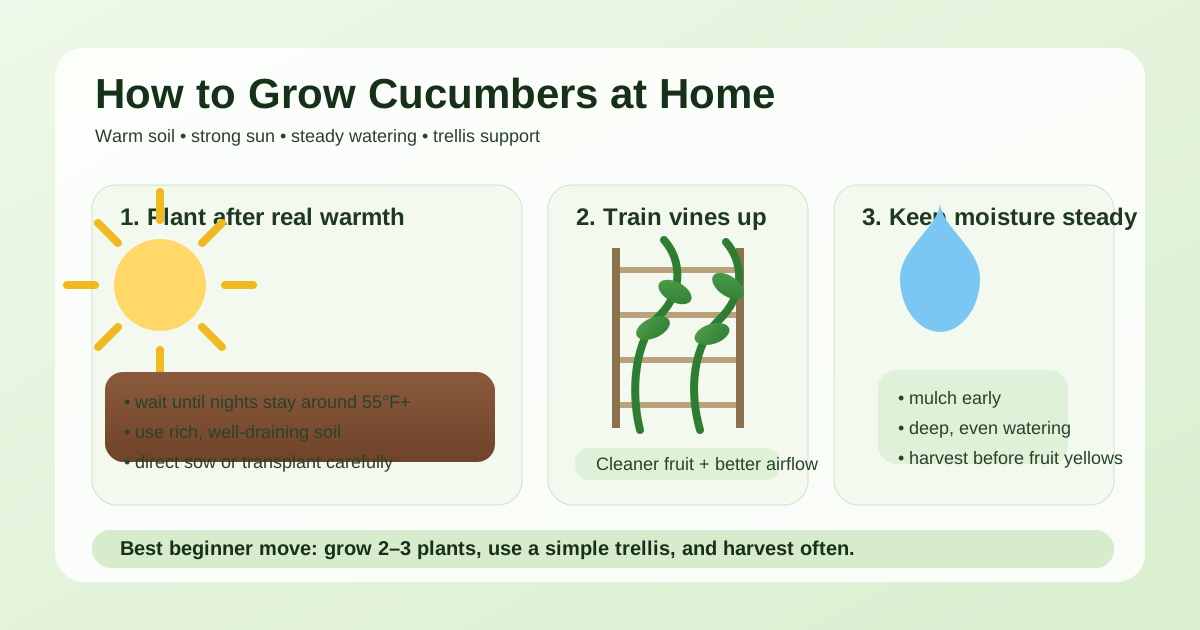
How to Grow Cucumbers at Home: A Beginner-Friendly Guide
Learn how to grow cucumbers at home with practical beginner tips on timing, soil, trellising, watering, feeding, pests, and harvests.
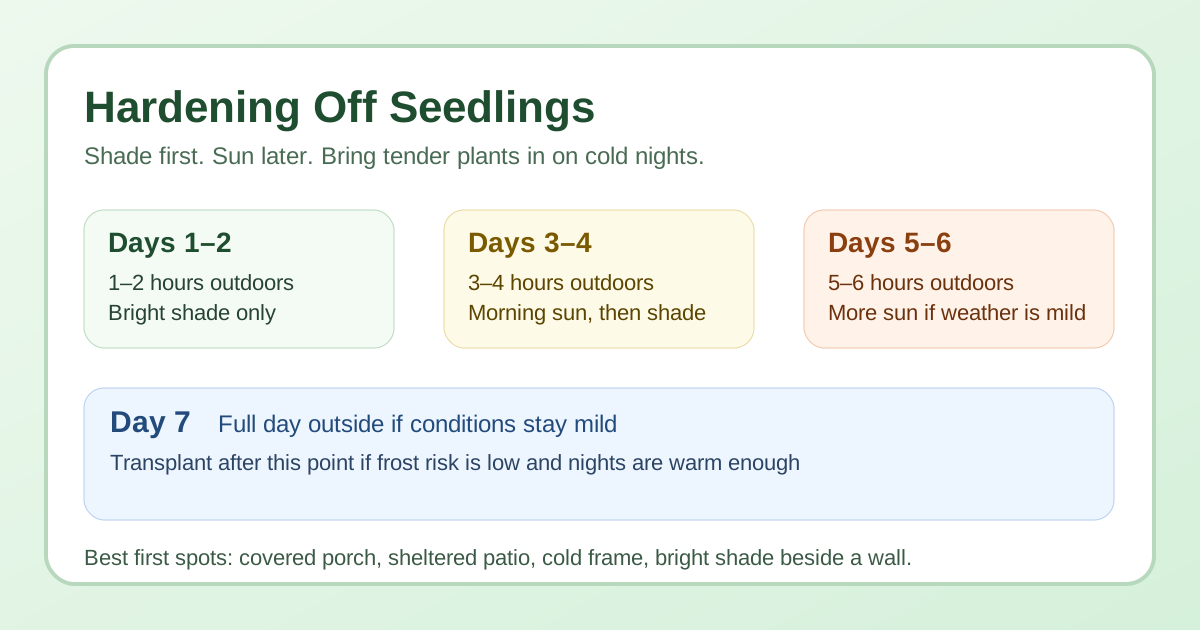
How to Harden Off Seedlings Without Killing Them
Learn how to harden off seedlings the right way so tomatoes, peppers, herbs, and flowers can move outdoors without transplant shock.
How to Grow Peppers at Home: A Beginner-Friendly Guide
Learn how to grow peppers at home from seed to harvest, including timing, soil, watering, feeding, and container tips for beginners.