Do Self-Watering Planters Actually Work?
Self-watering planters absolutely work, provided you match them with the right plants and maintain the reservoir properly. Gardeners often wonder if the…
Self-watering planters absolutely work, provided you match them with the right plants and maintain the reservoir properly. Gardeners often wonder if the…
Disclosure: this article may contain affiliate links.
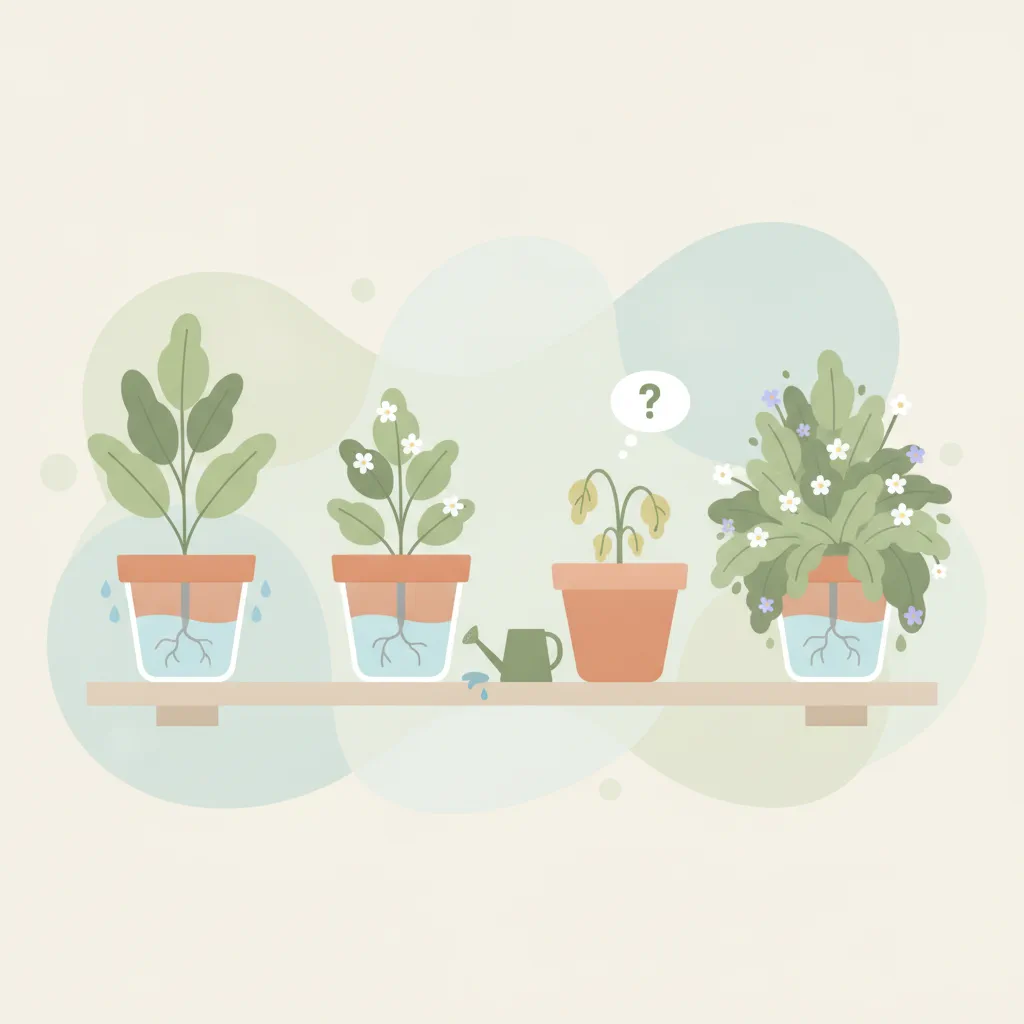
Self-watering planters absolutely work, provided you match them with the right plants and maintain the reservoir properly. Gardeners often wonder if the capillary action and water reservoirs justify the extra cost and setup time. The short answer is yes, but only when you understand how the system manages moisture rather than replacing all your care responsibilities. This guide breaks down the mechanics, limitations, and real-world performance of these containers so you can decide if they fit your growing space.
How do self-watering planters actually work?
The core design relies on capillary action and a separated root zone. Instead of soil sitting directly in standing water, these containers feature a bottom reservoir that holds moisture while the planting medium rests in a slightly elevated basket or pot. A wick or soil bridge draws water upward as the roots and soil dry out. This creates a consistent moisture level without drowning the roots, which is the primary cause of rot in traditional containers.
When the reservoir runs dry, the wicking stops, and the soil gradually dries from the top down. This passive regulation means you water less frequently, but it also means you cannot control soil moisture as precisely as you would with manual watering. The system works best for plants that prefer even moisture and dislike drying out completely between waterings. You will notice the difference in turgor pressure and leaf firmness, which stays stable instead of fluctuating daily.
When should you use self-watering planters in the garden?
Not every garden situation benefits from automated moisture delivery. You will get the best results when growing leafy vegetables, herbs, or ornamental foliage that demand steady hydration. Container tomatoes, peppers, and annual flowers also thrive in these systems during hot summer stretches when daily watering becomes impractical. The steady moisture prevents blossom end rot in fruiting crops by keeping calcium uptake consistent.
Conversely, plants that require a dry-down period between waterings will struggle. Succulents, cacti, and most bulb varieties rot quickly because the reservoir keeps the soil base consistently damp. If you are growing seedlings or plants with shallow root systems, monitor the reservoir closely to avoid waterlogging the upper soil layers. You can adapt these containers for seasonal crops by switching to a coarser potting mix that allows oxygen to reach the roots even when the wick is active.
If you want to learn more about which vegetables thrive in containers, focus on varieties that tolerate steady moisture without demanding heavy fertilization.
What causes self-watering planters to fail?
The most frequent complaint about these containers is algal growth and mosquito breeding in the exposed reservoir. Because the bottom compartment holds stagnant water in a dark or semi-transparent space, algae blooms quickly unless you block light and keep the area clean. Clear containers accelerate this problem, while opaque materials keep the water darker and slower to grow algae. A simple black trash bag liner or matte paint inside a clear pot solves this instantly.
Another issue is wick failure or soil compaction. Over time, mineral deposits and fine soil particles clog the wicking material, reducing water uptake. If the soil settles too far from the wick, the capillary bridge breaks and the roots dry out. You can prevent this by using a well-draining potting mix with perlite or coarse compost, and by occasionally flushing the reservoir to remove sediment. Adding a layer of inert gravel or lava rock at the bottom of the planting basket helps maintain separation and prevents soil from washing into the water line.
Which self-watering planter brands are reliable?
Several established brands have refined the basic reservoir design over the years. Lechuza pots are widely recognized for their ceramic and plastic options, featuring a built-in water level indicator and a separate planting basket that simplifies maintenance. These containers focus on passive wicking without electronic components, making them straightforward for traditional gardeners. Click & Grow offers smart, pod-based systems that automate moisture and lighting for kitchen herbs, though they lean toward convenience rather than traditional soil gardening. For a more traditional approach, SmartPot and similar fabric reservoir systems provide excellent drainage while maintaining a passive wicking zone that works well with raised bed soil mixes.
When evaluating options, look for a fill tube or dip tube that lets you add water without disturbing the soil, and choose an opaque reservoir to minimize algae. Transparent designs look attractive but require frequent cleaning and light-blocking liners to function long-term.
How do you prepare soil for reservoir containers?
Standard garden soil will quickly destroy a wicking system because it compacts and blocks airflow. You must use a lightweight potting blend that maintains pore space even when moist. A reliable mix combines three parts quality potting soil, one part perlite or pumice, and one part coarse compost or coconut coir. This ratio creates air channels that allow oxygen to reach the root zone while still holding enough moisture to sustain capillary action.
Avoid heavy clay amendments or excessive peat moss, which swell when wet and shrink when dry, breaking the soil-to-wick contact. After filling the basket, water thoroughly until the reservoir is full, then let the system settle for twenty-four hours before planting. This initial soak removes air pockets and ensures the wick establishes a continuous moisture bridge from day one.
How do you maintain self-watering planters through seasonal changes?
Consistent maintenance keeps the system reliable through seasonal changes. Start by flushing the reservoir every three to four weeks to remove dissolved salts and prevent mineral buildup. Use plain water for most plants, but if you apply liquid fertilizer, dilute it to half strength and alternate with plain water to avoid salt accumulation in the lower soil layers. Fertilizer salts sink to the bottom and can burn roots if they concentrate in the reservoir.
In winter, reduce the fill frequency dramatically. Cool temperatures slow plant metabolism and evaporation, meaning the reservoir can stay full for weeks without causing rot. If you move the containers indoors during freezing months, place a moisture meter in the root zone to verify that the soil is not staying too wet. Empty the reservoir entirely before storing containers outdoors for extended dormancy to prevent cracking and winter algae persistence. You can also pause wicking temporarily by lifting the planting basket slightly if your design allows it, giving roots a necessary dry period during dormancy.
Frequently Asked Questions
How often should I fill the water reservoir? Fill frequency depends on plant size, temperature, and reservoir volume. Most setups require refilling every seven to ten days during active summer growth, but you should always check the water level indicator or dip tube rather than relying on a fixed schedule.
Can I use self-watering planters for tomatoes and peppers? Yes, these vegetables benefit from steady moisture, but they also demand consistent feeding. Because fertilizer drains into the reservoir, use a balanced liquid feed at reduced strength and flush the system monthly to prevent nutrient imbalance or salt buildup.
Do self-watering planters prevent root rot? They reduce the risk of overwatering by keeping roots out of standing water, but rot can still occur if the wick stays saturated or if the soil mix lacks drainage. Always use a coarse potting blend and ensure the planting basket has adequate drainage holes.
Is it safe to leave the reservoir uncovered during mosquito season? Stagnant water attracts mosquitoes, so keep the reservoir sealed with a lid or dip tube cap. If your design lacks a tight cover, add a biological larvicide approved for garden use or refresh the water weekly to disrupt breeding cycles.