Fertilizers & Soil
Homemade Fertilizer Recipes That Actually Work
You can make effective plant fertilizer at home using things you already have. Here are the best homemade fertilizer recipes with real results.

You can make effective plant fertilizer at home using things you already have. Here are the best homemade fertilizer recipes with real results.
Commercial fertilizers work well, but plenty of effective plant food can be made from things you’d otherwise throw away. Banana peels, coffee grounds, eggshells, compost — these all provide real nutrients that plants can use.
That said, let’s set honest expectations: homemade fertilizers are generally lower-nutrient than commercial options like Miracle-Gro, slower to act, and harder to calibrate. They’re great supplements and soil conditioners, not always direct replacements for a complete fertilizer when plants have a real deficiency. But for general feeding, soil improvement, and reducing waste, they’re genuinely worth using.
Here are the homemade fertilizer recipes that actually work.
1. Banana Peel Fertilizer (Potassium)
Banana peels are a legitimate source of potassium — useful for flowering plants, fruiting vegetables, and overall plant health.
Method 1: Peel Soak Soak 2–3 banana peels in 1 quart of water for 24–48 hours. Remove the peels (compost them) and use the water to water your plants. This makes a weak but real liquid fertilizer.
Method 2: Buried Peels Chop banana peels into small pieces and bury them a few inches deep around the root zone of plants. They break down within a few weeks and release potassium into the soil. Great for outdoor beds and containers.
Method 3: Dried Peel Powder Dry banana peels in the sun or a low oven until completely dry and brittle. Grind to a powder and work into the soil. More concentrated than the other methods.
Best for: Tomatoes, peppers, flowering houseplants, roses, potatoes.
2. Coffee Ground Fertilizer (Nitrogen + Acidifier)
Used coffee grounds are a mild nitrogen source and they slightly acidify the soil — which is good for acid-loving plants like blueberries, azaleas, and ferns, but not ideal if used heavily on plants that prefer neutral soil.
How to use:
- Sprinkle a thin layer of used grounds around the base of plants and work in lightly. Don’t pile them on — thick layers can compact and create a barrier.
- Add them to your compost pile (they’re considered “greens” in composting terms and speed up decomposition). If you need a compact setup for that, start with our guide to the best compost bins for small yards and patios.
- Mix into potting soil (no more than 10–15% by volume).
Caution: Coffee grounds are sometimes overhyped. They’re mildly beneficial, not a miracle. And too much can acidify soil more than is helpful. Use moderately.
Best for: Blueberries, azaleas, rhododendrons, ferns, tomatoes (lightly).
3. Eggshell Fertilizer (Calcium)
Eggshells are mostly calcium carbonate — a source of calcium that helps prevent blossom end rot in tomatoes and peppers, and slightly raises soil pH (makes it less acidic).
Method 1: Dried and Crushed Rinse eggshells, let them dry, then crush them finely. Work into soil around plants or add to potting mix. They break down slowly — more of a long-term soil amendment than a quick-release fertilizer.
Method 2: Eggshell Tea Boil crushed eggshells in water for a few minutes. Let cool, strain, and water plants with the liquid. Faster release of calcium than crushed shells alone.
Best for: Tomatoes, peppers, eggplant (preventing blossom end rot), leafy greens.
4. Compost Tea (All-Purpose)
Compost tea is made by steeping finished compost in water and using the resulting liquid as a fertilizer and soil inoculant. It delivers diluted nutrients and — importantly — beneficial microorganisms that support healthy soil biology.
Simple method: Fill a bucket with water (let tap water sit for 24 hours if chlorinated, or use rainwater). Add a shovelful of finished compost. Let it steep for 24–48 hours, stirring occasionally. Strain out the solids and use the liquid to water plants. Use within 24 hours of finishing.
Aerated compost tea (more complex): Add a simple aquarium pump to oxygenate the water while it steeps. Aeration promotes the growth of beneficial aerobic bacteria, making the tea more potent. Add a bit of molasses to feed the microbes.
Best for: All plants, especially in garden beds. Great as a regular soil drench to improve soil biology.
5. Grass Clipping Tea (Nitrogen)
Fresh grass clippings are high in nitrogen — the same nutrient that makes lawns lush and green.
How to make: Fill a bucket with fresh grass clippings, top with water, and let steep for 2–3 days. Strain and dilute (1 part tea to 5 parts water — it’s concentrated) before using.
Best for: Heavy nitrogen feeders like corn, leafy greens, tomatoes early in the season.
Note: Only use clippings from an untreated lawn — no herbicides or pesticides.
6. Epsom Salt (Magnesium + Sulfur)
Technically a mineral supplement rather than a “recipe,” but worth including. Epsom salt (magnesium sulfate) provides magnesium and sulfur — both micronutrients that plants need.
How to use: Dissolve 1 tablespoon of Epsom salt in 1 gallon of water. Use as a foliar spray (directly on leaves) or soil drench once a month during the growing season.
Caution: Only useful if your plants are actually magnesium deficient (symptoms: yellowing between leaf veins while veins stay green). Overuse can disrupt soil nutrient balance.
Best for: Tomatoes, peppers, roses.
Combining Homemade and Commercial Fertilizers
The most effective approach for serious gardeners: use homemade fertilizers and compost to build long-term soil health and provide a nutritional baseline, while using a complete commercial fertilizer like Miracle-Gro for targeted feeding when plants need a boost or show deficiency.
This gets you the benefits of both — soil-building organic matter plus reliable, calibrated nutrition when you need it.
The Bottom Line
Homemade fertilizers are real, they work, and they’re a smart way to use what you’d otherwise waste. Don’t expect miracles or the precision of commercial fertilizers — but used consistently, they make a genuine difference in plant health and soil quality.
Keep reading
Related guides
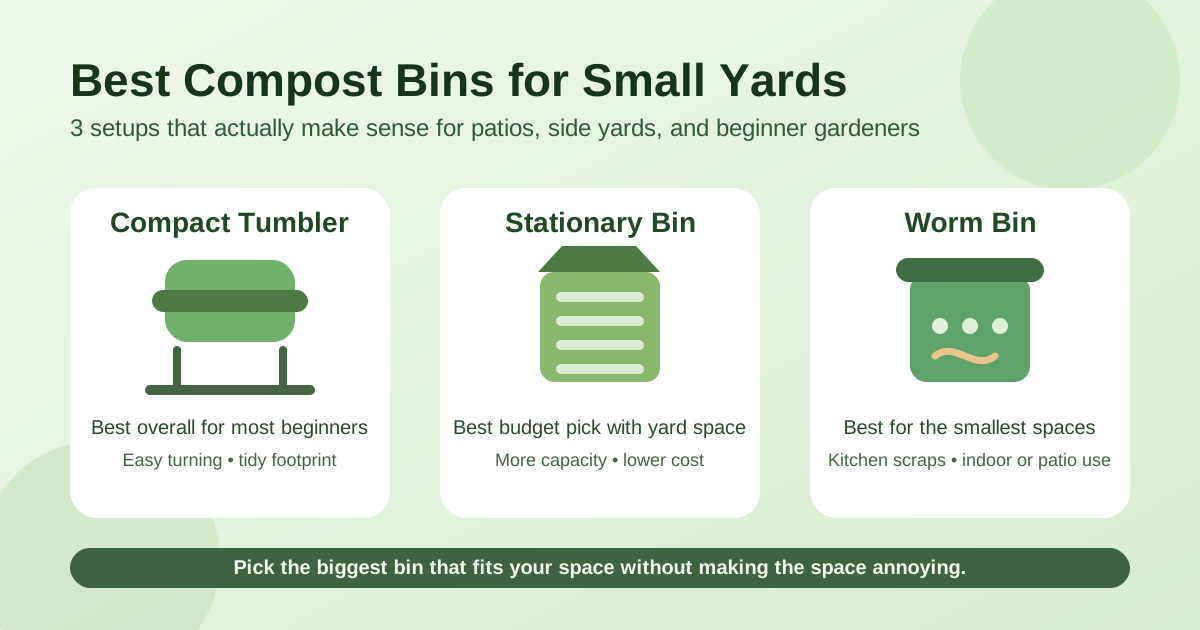
Best Compost Bins for Small Yards and Patios
The best compost bins for small yards and patios make kitchen scraps and yard waste manageable without smells, pests, or a giant footprint.
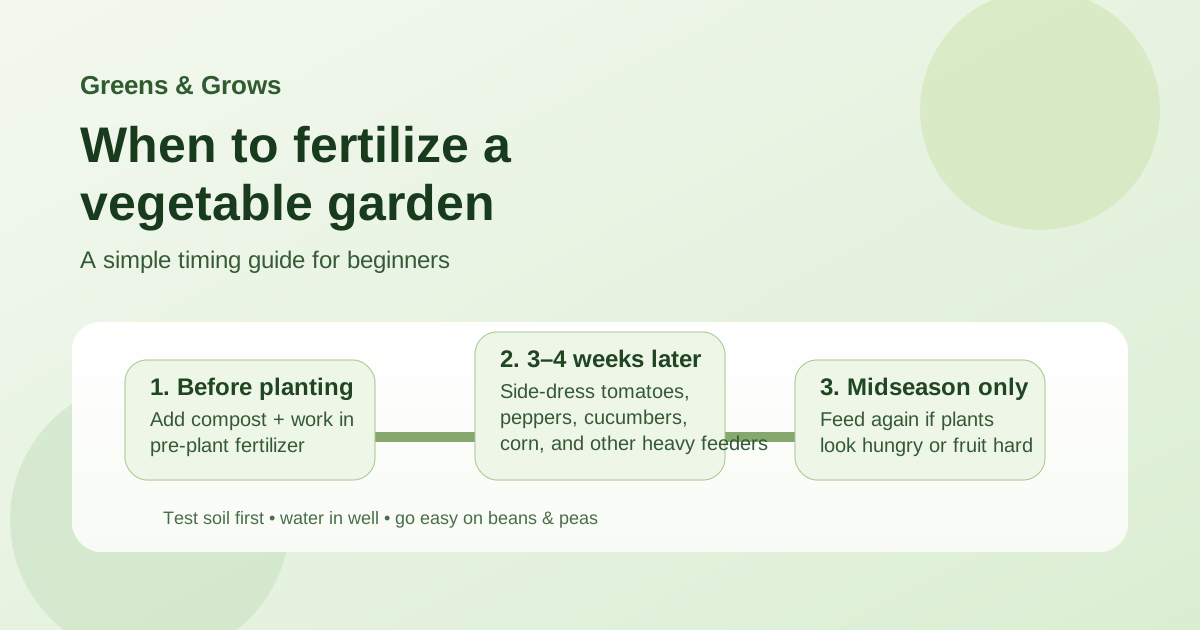
When to Fertilize a Vegetable Garden: Spring Timing Guide
Learn when to fertilize a vegetable garden in spring, after planting, and midseason so you feed vegetables at the right time without overdoing it.
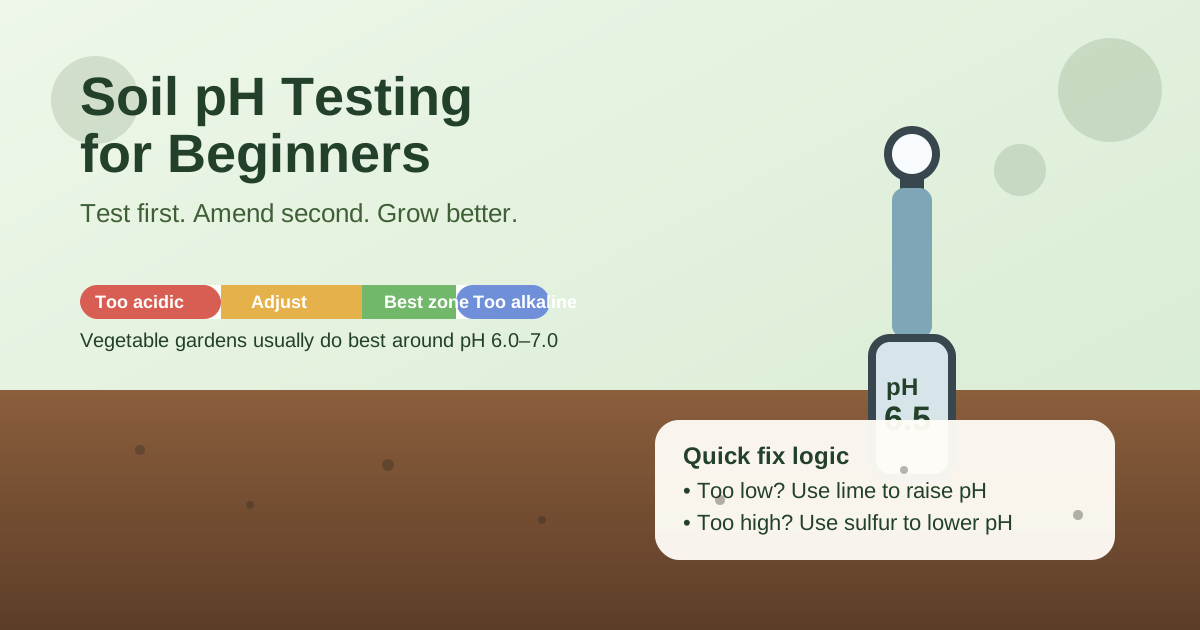
Soil pH Testing for Beginners: Get Garden Soil Right
Learn soil pH testing for beginners, including when to test, ideal vegetable-garden pH, and how to raise or lower pH without guessing.