How to Plan a Small Vegetable Garden Layout for Beginners
Photo by DFID - UK Department for International Development, CC BY 2.0, via Wikimedia Commons
Photo by DFID - UK Department for International Development, CC BY 2.0, via Wikimedia Commons
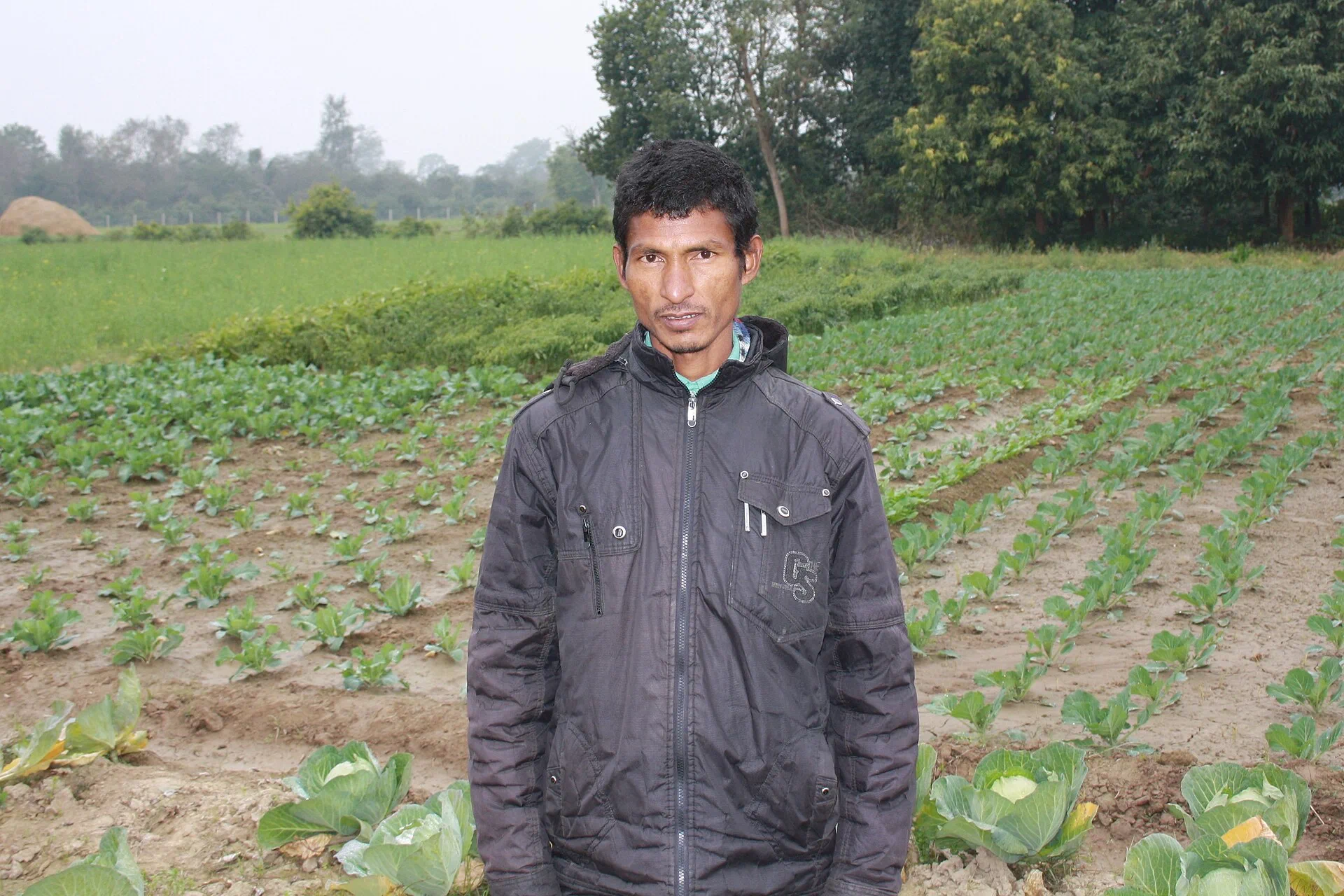
Photo by DFID - UK Department for International Development, CC BY 2.0, via Wikimedia Commons
Disclosure: this article may contain affiliate links.
A successful small vegetable garden layout for beginners relies on maximizing space, ensuring six to eight hours of sunlight, and placing easy-to-grow crops where you can access them without stepping on soil. This guide breaks down how to arrange beds, use a square-foot grid for precise spacing, and select essential tools to help you harvest fresh food even in a compact yard, patio, or balcony.
How much space do you need for a small vegetable garden?
You do not need acres to grow edible crops. A standard 4-foot by 4-foot bed fits most small patios and provides enough ground area for salad greens, radishes, and dwarf tomatoes. If you have a narrow strip along a fence, a 4-foot by 8-foot bed doubles the capacity without requiring you to step into the center, which protects soil structure and prevents compaction. Regardless of dimensions, prioritize a location that receives full sun, defined as at least six hours of direct light daily, to ensure fruit set and prevent leggy growth.
Start with high-quality soil to give roots a nutrient-dense foundation. Products like Black Kow All Purpose Garden Soil offer a balanced blend of compost and organic matter that drains well while retaining moisture. [soil amendment techniques](/posts/best-soil-for-potted-plants/) can further improve drainage in heavy clay spots or boost fertility in sandy soils. When planning a small vegetable garden layout for beginners, prioritize crops that match your cooking habits so you harvest what you will actually use.
Bed materials matter for longevity and safety. Cedar lumber resists rot naturally and releases a pleasant scent, while untreated pine is a budget-friendly alternative that will decompose over several years. Ensure paths between beds are at least 18 inches wide so you can move a small cart or kneel comfortably while harvesting. Orient the long side of the bed north-south if possible, so taller plants do not cast shadows on shorter crops during the day.
Best layout shapes for small yards and patios
L-shaped configurations allow you to place beds along two walls, capturing light from multiple angles while saving corner space for a compost bin or tool storage. For balconies or decks where ground space is non-existent, vertical systems are essential to increase yield. The VegTrug offers a raised, portable option with integrated drainage and handles, making it practical for moving pots to follow the sun or protect plants from heavy rain.
Mount a trellis against the south-facing fence to grow pole beans or cucumbers upward, effectively adding a second layer of growing area. Vertical gardening keeps fruit off the ground, reducing rot and making harvesting easier on your back. When designing a compact small vegetable garden layout for beginners, group plants with similar water needs together so you do not overwater drought-tolerant herbs while trying to keep thirsty tomatoes hydrated.
How to use the square-foot gardening method
Square-foot gardening divides your bed into a grid of 1-foot squares, assigning a specific crop count to each cell based on plant size. This method prevents overcrowding and makes spacing intuitive, which is critical in tight spaces. Construct the grid using wooden lath or string stretched across corner stakes for a temporary reference. For permanent grids, wood strips spaced 12 inches apart create a durable framework that survives the season.
Use the grid to plant with precision. Common spacing guidelines include:
- One tomato plant per square, staked immediately to support growth.
- Four pepper plants per square, allowing room for air circulation.
- Nine bush bean plants per square, clustered for efficient harvesting.
- Sixteen lettuce plants per square, thinned as they mature.
Tape or string the grid over the soil surface so you can place seeds exactly where they belong. This layout minimizes weeding because plants fill the soil quickly, shading out unwanted seeds. Remember that the square-foot method works best when you start with fresh, weed-free soil to give seedlings an immediate advantage.
Essential tools for maintaining a small garden
You do not need a garage full of equipment to manage a compact plot. A sharp hand trowel is the most used tool for transplanting, harvesting, and removing weeds. The Radius Garden Contour Hand Trowel features an ergonomic grip and a blade shaped to match the hand’s natural motion, reducing fatigue during soil work. A sturdy pair of hand pruners helps remove dead leaves and harvest herbs without damaging stems.
Keep a small watering can or a hose with a spray nozzle nearby to maintain consistent moisture without flooding the roots. drip irrigation setup becomes valuable once the garden expands, but manual watering suffices for the first season. A compact small vegetable garden layout for beginners can still produce a surprising volume of fresh food with the right organization and a few quality tools to make maintenance effortless.
Check soil moisture by sticking a finger an inch deep; water when the top layer feels dry. Overwatering is a common beginner mistake that leads to root rot, so ensure your beds have excellent drainage. Morning watering is ideal because it allows foliage to dry before evening, reducing the risk of fungal diseases like powdery mildew. A mulch layer of straw or shredded leaves helps retain moisture and suppresses weeds, reducing the frequency of watering tasks.
Planting density and companion planting tips
Maximize yield by alternating fast-maturing crops with long-season varieties. Radishes and spinach mature in under 30 days, allowing you to pull them and immediately plant bush beans in the same squares. This succession planting keeps the garden productive throughout the season. Avoid interplanting incompatible species; for instance, keep alliums like onions away from beans, as they can stunt legume growth.
Conversely, planting marigolds near tomatoes can help deter certain soil pests naturally. Marigolds release compounds that may repel nematodes and add visual interest to the bed. Rotate families of plants each season to prevent nutrient depletion and disease buildup, even in a small layout. For example, move tomatoes and peppers to a different section of the bed if you have multiple beds, or replenish soil heavily with compost if you must plant in the same spot.
Use floating row covers made of lightweight fabric to protect young seedlings from aphids and cabbage moths without blocking sunlight. Anchor the edges with soil or clips to keep pests from crawling underneath. This physical barrier is an effective, chemical-free strategy that preserves your harvest while keeping the garden safe for pets and children. Reviewing your small vegetable garden layout for beginners each season helps you adjust spacing based on what grew well and what needs more room next year.
Frequently Asked Questions
How many vegetables can a 4x4 garden grow? A 4x4 garden provides 16 square feet, which can comfortably grow two tomato plants, four pepper plants, and several squares of lettuce, radishes, or herbs depending on your variety mix. With succession planting, this footprint can yield multiple harvests of fast crops like spinach and radishes throughout the growing season.
Can I grow a vegetable garden in shade? Most fruiting vegetables require full sun, but shade-tolerant crops like leafy greens, radishes, and herbs can thrive in partial shade. If your area gets less than four hours of direct sun, focus on spinach, arugula, and kale, and position containers to capture every available hour of light.
How deep should soil be for vegetables? Root vegetables and deep-growing crops need at least 12 inches of loose soil, while shallow-rooted greens and herbs perform well in 6 to 8 inches. Raised beds and containers should match these depths to prevent root binding and ensure adequate drainage for healthy growth.
Do I need a trellis for a small garden? Trellises are highly recommended for small gardens because they grow crops vertically, preserving ground space for other plants. Pole beans, cucumbers, and indeterminate tomatoes benefit from support, which also improves air circulation and makes harvesting easier.
How often should I water a small vegetable garden? Water when the top inch of soil feels dry, which typically means daily watering during hot summer weeks and less frequently in cooler weather. Consistent moisture is more important than a fixed schedule, so check soil conditions regularly and adjust based on rainfall and temperature.
Conclusion
A well-planned small vegetable garden layout for beginners transforms limited space into a productive food source by focusing on sunlight, grid spacing, and smart crop selection. Start with a manageable bed size, use a square-foot grid to avoid overcrowding, and invest in a few quality tools to make maintenance effortless. As you gain confidence, you can expand by adding vertical supports or succession planting to keep harvests flowing throughout the season.