Vegetable Garden
How to Grow Herbs Indoors: Basil, Mint, and More
Growing herbs indoors is one of the most practical things you can do with a sunny windowsill. Here's how to grow basil, mint, and other herbs successfully.

Growing herbs indoors is one of the most practical things you can do with a sunny windowsill. Here's how to grow basil, mint, and other herbs successfully.
Growing herbs indoors gives you something no grocery store herb shelf can: fresh herbs whenever you need them, cut five minutes before you use them. The difference in flavor between freshly cut basil and the bunch that’s been in your fridge for three days is significant.
The good news: herbs are relatively forgiving and great for beginners, as long as you give them the right light.
The Non-Negotiable: Light
Light is where most indoor herb gardens fail. Herbs need at least 6 hours of direct sun daily — ideally from a south-facing window. East and west windows can work for less demanding herbs like mint and chives, but south-facing is your best bet.
If you don’t have a sunny window, grow lights are the solution. A simple LED grow light positioned a few inches above your herbs for 14–16 hours a day makes a huge difference. We have a full guide on grow lights for indoor plants if you want to go that route. And if you’d rather buy an all-in-one setup than piece together pots, seeds, and lighting yourself, our guide to the best indoor herb garden kits is the faster buying shortcut.
Starting from Seed vs. Buying Plants
Buying established herb plants from a garden center or grocery store is the easiest starting point. You skip the germination phase and get to harvesting sooner.
One caveat with grocery store herbs: The pots from supermarkets usually contain many seedlings crammed together, designed for one or two uses rather than long-term growth. For lasting plants, separate the seedlings and repot them into individual pots, or buy from a garden center where plants are typically grown more sustainably.
Starting from seed is very satisfying and much cheaper per plant — great once you’re comfortable. Basil and cilantro in particular grow quickly from seed.
The Best Herbs to Grow Indoors
Basil
The most popular culinary herb and excellent for beginners — if you have enough light. Basil loves heat and sun. It grows fast, tastes amazing, and will bolt (flower and go bitter) if stressed or too warm.
Keys to success: Pinch off flower buds as soon as they appear. This keeps the plant producing leaves instead of seeds. Harvest regularly from the top to encourage bushy growth. Keep it in your sunniest window.
Watering: Keep soil evenly moist but not waterlogged. Don’t let basil dry out completely — it wilts dramatically and can recover once or twice but not indefinitely.
Mint
Mint is vigorous — almost aggressively so. It spreads by runners underground and will take over if allowed. This actually makes it one of the most rewarding herbs to grow indoors in a pot, because it fills in nicely and you always have plenty.
Keys to success: Keep in its own pot — don’t plant it with other herbs unless you want mint everywhere. Harvest regularly to keep it producing new growth. It tolerates partial shade better than most herbs.
Varieties: Spearmint and peppermint are the classics. Chocolate mint, apple mint, and lemon mint are fun variations.
Chives
Chives are among the easiest herbs for lower-light conditions. They’re cold-hardy, slow to bolt, and you can just snip what you need from the tips. They do grow back.
Keys to success: Let the soil dry slightly between waterings. Harvest by cutting leaves back to a few inches from the base — they’ll regrow.
Parsley
Parsley is a biennial (lives two years) but is typically grown as an annual. It’s slower to germinate from seed (can take 2–3 weeks) but once established, it’s productive and cold-tolerant.
Keys to success: Harvest outer stems first. Curly parsley is slightly easier indoors; flat-leaf (Italian) parsley has better flavor.
Cilantro
Cilantro grows fast and bolts fast — once it flowers, the leaves become sparse and the flavor changes. Succession planting (starting new seeds every few weeks) is the solution for a continuous supply.
Keys to success: Cool temperatures slow bolting. Don’t overwater. Harvest by cutting stems from the outside.
Rosemary and Thyme
Both are Mediterranean herbs that love sun and dry conditions. They’re actually harder to grow indoors in humid climates than more tropical herbs. They need excellent drainage and bright sun. Thyme is slightly easier indoors than rosemary.
Keys to success: Never let rosemary sit in wet soil. Let thyme dry out between waterings. Both benefit from a south window or grow light.
Containers and Soil for Herbs
Use pots with drainage holes — non-negotiable. Herbs hate sitting in water.
For most herbs, a quality potting mix works well. For Mediterranean herbs like rosemary and thyme, mix in extra perlite for faster drainage.
Don’t use pots that are too large — oversized pots hold more moisture than the small root system can use, leading to root problems. A 4–6 inch pot is appropriate for a single herb plant; a larger pot works if you’re growing several together.
Harvesting Herbs Properly
The key to keeping herbs productive: harvest often, and harvest correctly.
- Cut from the top, not the base — this encourages branching and bushy growth.
- Never take more than 1/3 of the plant at once.
- Remove flowers immediately on basil, cilantro, and mint — once they flower (bolt), leaf production slows dramatically.
Feeding Indoor Herbs
Herbs don’t need heavy feeding, but a diluted liquid fertilizer (half strength) every 3–4 weeks during the growing season keeps them healthy and productive. Don’t over-fertilize — it can actually reduce flavor intensity in some herbs.
The Indoor Herb Garden Setup That Works
Best beginner setup: a 12-inch window box on a south-facing sill with basil in the center (most sun), mint on one end, and chives on the other. All three have different water needs, so watch each individually. This gives you fresh herbs for cooking with minimal space and effort.
Gear We Recommend
AeroGarden Harvest Indoor Garden ~$90Grow herbs year-round with zero effort. Built-in LED grow light and self-watering. Great for kitchens.
Check Price on Amazon →Affiliate link — we may earn a small commission at no cost to you.
Organic Herb Seed Variety Pack (12 varieties) ~$12Basil, cilantro, parsley, thyme, and more. Everything to start an indoor herb garden.
Check Price on Amazon →Affiliate link — we may earn a small commission at no cost to you.
Keep reading
Related guides
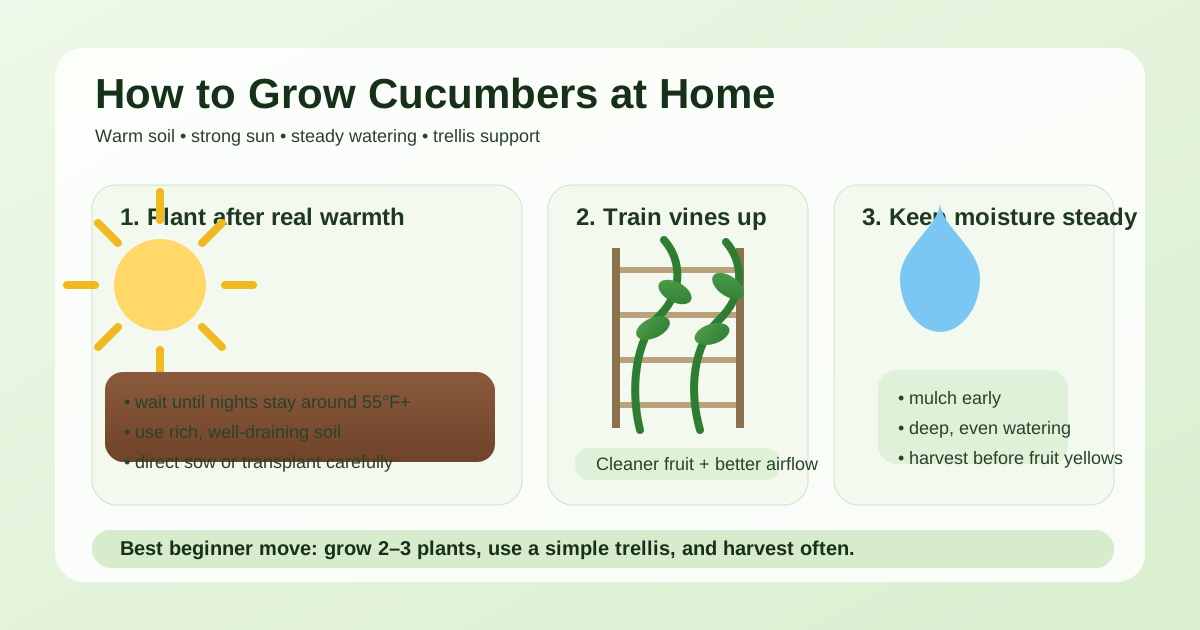
How to Grow Cucumbers at Home: A Beginner-Friendly Guide
Learn how to grow cucumbers at home with practical beginner tips on timing, soil, trellising, watering, feeding, pests, and harvests.
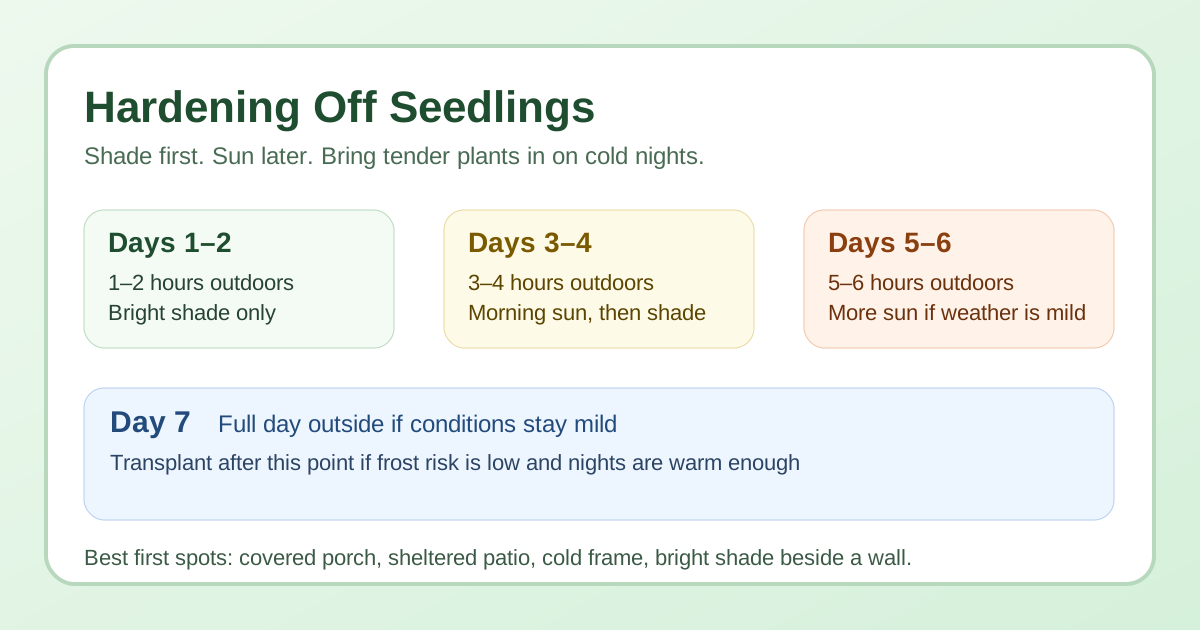
How to Harden Off Seedlings Without Killing Them
Learn how to harden off seedlings the right way so tomatoes, peppers, herbs, and flowers can move outdoors without transplant shock.
How to Grow Peppers at Home: A Beginner-Friendly Guide
Learn how to grow peppers at home from seed to harvest, including timing, soil, watering, feeding, and container tips for beginners.