Signs Your Plant Needs More Humidity
When houseplants show symptoms like crispy leaf margins, curling foliage, or stunted new growth, recognizing the signs your plant needs more humidity can prevent…
When houseplants show symptoms like crispy leaf margins, curling foliage, or stunted new growth, recognizing the signs your plant needs more humidity can prevent…
Disclosure: this article may contain affiliate links.
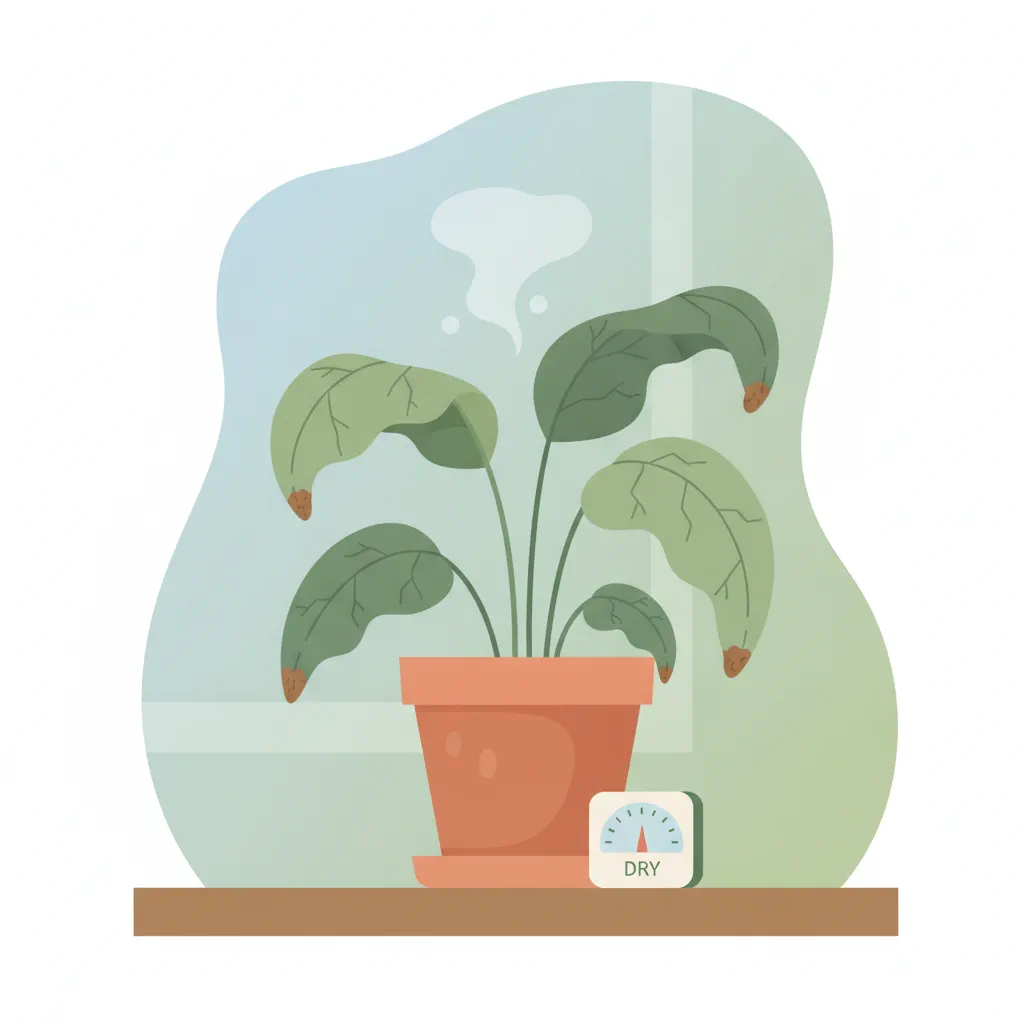
When houseplants show symptoms like crispy leaf margins, curling foliage, or stunted new growth, recognizing the signs your plant needs more humidity can prevent long-term damage to tropical varieties that crave moisture-rich air. Low humidity stress often mimics watering problems, confusing growers into overwatering or neglecting a plant that actually just needs a more humid environment. This guide covers the specific visual clues to look for, how to measure air moisture accurately, and practical methods to raise humidity levels safely without encouraging mold or pests.
How to Spot Low Humidity Stress in Houseplants?
Identifying humidity issues requires looking beyond simple wilting, as dry air causes distinct symptoms that differ from underwatering or nutrient deficiencies. If you suspect your environment is too dry, check your plants for these key indicators.
- Curling or cupping leaves: Leaves that roll inward or form a “U” shape are often trying to reduce surface area to retain moisture. This is common in calatheas, ferns, and peace lilies. Unlike underwatering, where leaves become crispy and papery, humidity-stressed leaves may still feel firm but twisted.
- Brown, crispy leaf tips: The edges of leaves dry out faster than the center when air moisture is low. This creates brown tips that start small and progress toward the leaf base. Ensure the soil is moist to rule out underwatering, which can cause similar browning but usually starts with the whole leaf shriveling.
- Leaf drop: Plants like anthuriums and African violets may shed leaves prematurely to conserve resources when transpiration rates are too high due to dry air. Look for leaves falling off with a clean stem break rather than rotting at the base.
- Stunted or distorted new growth: New leaves may emerge smaller than usual, fail to unfurl completely, or show translucent spots. These pale patches occur when dry air stresses developing tissue, preventing it from forming a healthy cuticle.
- Bud drop: Flowering plants may drop buds before they open if the air is too dry, as the plant cannot support the water demand of blooming.
These visual cues are classic signs your plant needs more humidity, particularly in species native to rainforests or humid understories. If you see these symptoms on multiple plants in the same room, the issue is likely environmental rather than plant-specific.
What Humidity Level Do Houseplants Need?
Different plants evolved in different climates, so their humidity requirements vary significantly. Matching the ambient moisture to the plant’s origin prevents stress and promotes vigorous growth.
- Tropical houseplants: Most common tropicals, including pothos, philodendrons, and monsteras, thrive in relative humidity between 40% and 60%. They tolerate lower levels but show stress symptoms below 40%.
- High-humidity plants: Ferns, calatheas, marantas, and orchids often require 60% or higher to maintain perfect foliage. These plants may survive in average home conditions but will likely show leaf margin burn or reduced growth.
- Arid-climate plants: Succulents, cacti, and snake plants prefer lower humidity, typically 30% or less. High humidity can cause rot in these species, so avoid grouping them with moisture-loving plants.
If you aren’t sure whether you’re seeing signs your plant needs more humidity or a watering issue, checking the air moisture removes the guesswork. A digital hygrometer provides accurate readings of relative humidity and temperature. Reliable models like the Govee digital hygrometer offer clear displays and can be placed near plants to monitor microclimates without interfering with care. Regular monitoring helps you adjust your methods before permanent damage occurs.
How to Increase Humidity for Houseplants Safely?
Once you’ve confirmed the signs your plant needs more humidity, applying the right method restores turgor pressure and encourages new growth. Choose a technique based on the number of plants and your living space.
- Pebble trays: Place a shallow tray filled with gravel and water beneath the plant pot. Ensure the pot sits on the pebbles and the water level stays below the pot rim to prevent waterlogging. As the water evaporates, it raises humidity around the plant without wetting the soil. This method works well for individual plants but requires regular refilling.
- Humidifiers: A cool mist humidifier is the most effective way to raise humidity for multiple plants or an entire room. Look for models with adjustable settings to maintain a steady level without over-saturating the air. The Levoit cool mist humidifier is a widely used option that operates quietly and features a large tank for extended runtime. Run the humidifier near plants but avoid direct mist contact with foliage to reduce fungal risk.
- Grouping plants: Clustering plants together creates a microclimate through transpiration, where each plant releases moisture that benefits its neighbors. This passive method works best for tropicals and can raise local humidity by several points, though it may not be sufficient for very dry environments.
- Bathroom or kitchen placement: If a plant tolerates lower light, placing it in a bathroom or kitchen can utilize steam from showers and cooking. Ensure the plant gets adequate light to prevent etiolation, and check that the room has ventilation to avoid mold buildup.
- Misting caution: Spraying water on leaves provides only a temporary humidity spike that lasts minutes and does not penetrate the soil. Misting can also promote fungal diseases if airflow is poor. Use misting only as a quick visual refresh, not as a primary humidity strategy.
Best houseplants for beginners
How Does Winter Heating Affect Plant Humidity?
Indoor humidity drops significantly during winter when heating systems run, often falling below 20% in many homes. This seasonal shift triggers signs your plant needs more humidity even in plants that thrived during spring and summer.
- Move plants away from heat sources: Drafts from vents, radiators, and fireplaces dry out air and soil rapidly. Relocate plants to cooler spots away from direct heat, but keep them out of freezing drafts from windows.
- Increase watering frequency: Dry air pulls moisture from soil faster, so check soil moisture more often. However, avoid overwatering; only water when the top inch of soil feels dry to the touch.
- Use a hygrometer to adjust: Winter dryness requires proactive management. Monitor humidity levels weekly and adjust humidifier settings or pebble tray water to maintain the target range for your plants.
Why Is My Plant Drooping With High Humidity?
High humidity does not fix all plant problems, and adding moisture can worsen issues if other factors are neglected. If leaves droop despite high humidity, investigate these common causes.
- Root rot: Soggy soil combined with high humidity creates ideal conditions for root rot. Check for mushy roots or a foul smell from the soil. If roots are damaged, the plant cannot take up water, leading to drooping regardless of air moisture. Repot in fresh, well-draining mix and trim affected roots.
- Poor airflow: Stagnant air traps moisture around leaves and soil, increasing disease risk. Ensure plants have space between them and use a small fan on low settings to circulate air without drying it out completely.
- Overwatering: High humidity can mask the need to let soil dry out. Water based on soil moisture, not humidity levels, to prevent root suffocation.
Don’t assume signs your plant needs more humidity are solved just because you added moisture; check for root health and airflow to avoid compounding problems.
Frequently Asked Questions
Can misting save a dehydrated plant? Misting provides only a temporary humidity spike that lasts minutes and does not penetrate the soil; for lasting relief, use a humidifier or pebble tray, and water the plant thoroughly if the soil is dry.
Why are leaf tips browning on my snake plant? Brown tips on snake plants are usually caused by low humidity or fluoride sensitivity in tap water, so try using filtered water and increasing ambient moisture if the soil drains well and watering is consistent.
What is the best humidity level for a bathroom plant? Most bathroom plants thrive in 50% to 70% humidity, making ferns and peace lilies ideal choices, though they still require adequate light to prevent etiolation and weak growth.
Do all plants need high humidity? No, plants native to arid regions like succulents and cacti prefer dry air and can develop rot if humidity stays too high, so match humidity levels to the plant’s natural habitat to avoid stress.
How quickly do plants recover from humidity stress? Recovery varies by species, but healthy plants often show perking leaves within 24 to 48 hours of improved humidity, while damaged leaf margins will never turn green again and must be pruned if unsightly.
Conclusion
Addressing humidity issues requires a combination of observation, measurement, and consistent environmental adjustments. By monitoring your plants for visual cues and maintaining stable moisture levels, you can keep tropical varieties thriving indoors year-round. Remember that humidity works best when paired with proper watering and good airflow to create a balanced growing environment. Regular checks with a hygrometer and seasonal adjustments ensure your plants stay healthy, even as indoor conditions change.