How to Water Plants While on Vacation
Figuring out how to water plants while on vacation starts with matching your irrigation method to your trip length, container material, and seasonal heat…
Figuring out how to water plants while on vacation starts with matching your irrigation method to your trip length, container material, and seasonal heat…
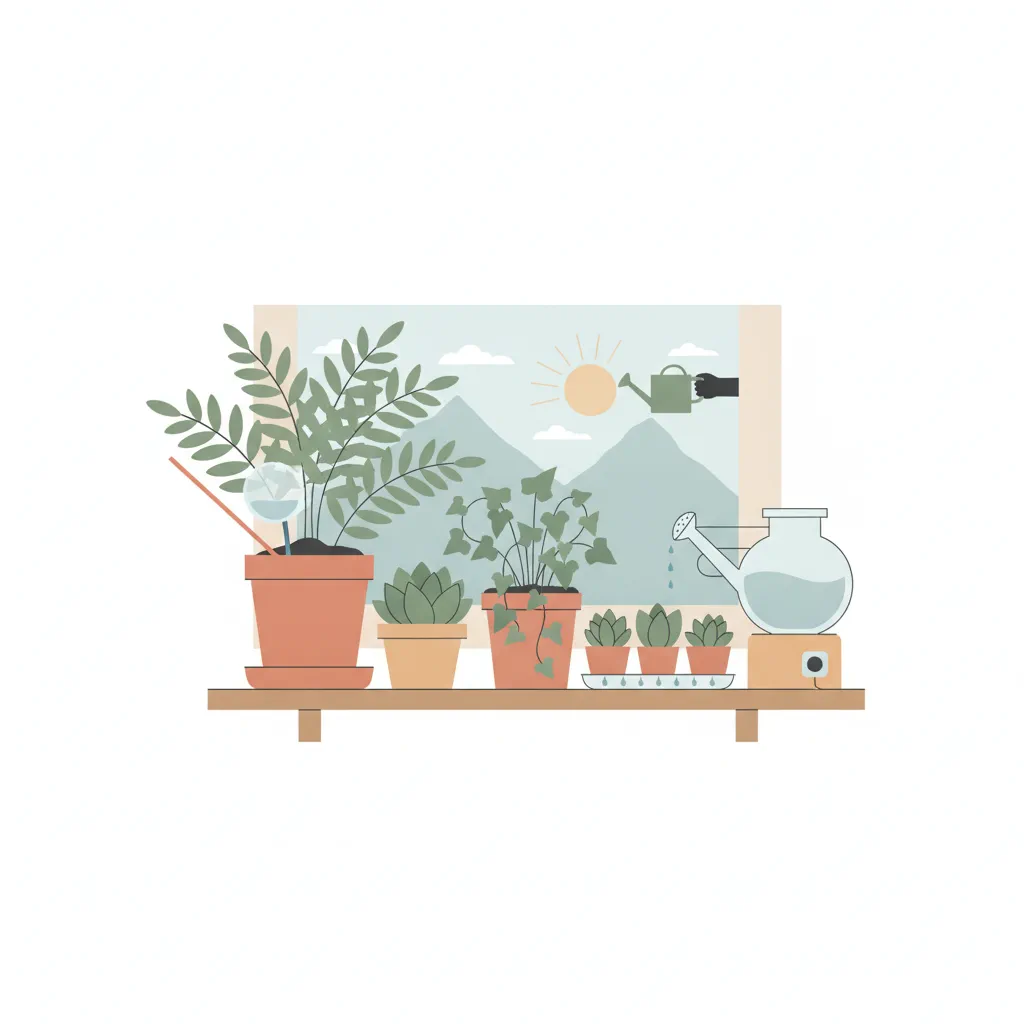
Figuring out how to water plants while on vacation starts with matching your irrigation method to your trip length, container material, and seasonal heat levels. You can keep your garden alive by installing timed drip lines, filling self-watering reservoirs, or setting up simple capillary wicking systems that release moisture at a steady rate. The most reliable setups combine thorough pre-trip preparation with a test run that mimics your actual absence. Before you pack your bags, follow a clear checklist and verify every connection so your soil stays consistently moist without drowning roots.
Disclosure: this article may contain affiliate links.
What Garden Prep Steps Should I Take Before Traveling?
Preparation prevents emergency plant loss and reduces stress when you need to know how to water plants while on vacation. Start by pruning dead foliage and sweeping up fallen leaves to lower evaporation rates and discourage fungal growth. Group containers together in shaded corners or against windbreaks to create a cooler, more humid microclimate. Water every pot and bed thoroughly two days before departure, then insert a wooden skewer or digital probe to confirm moisture reaches at least six inches deep. Run a complete test cycle of any new timer or tubing layout to spot leaks, airlocks, or misaligned emitters before you leave.
- Remove debris and spent blooms to reduce surface evaporation and pest attraction.
- Relocate heat-sensitive pots away from west-facing walls or hot patios.
- Check drainage holes for soil buildup that could block water flow or trap standing water.
- Record timer settings and reservoir levels in a visible note for house sitters or neighbors.
Which Automatic Watering Systems Work Best for Different Plants?
Choosing the right equipment is the most important step when learning how to water plants while on vacation. Oase Aquarius controllers are widely trusted by home gardeners because they offer straightforward on/off scheduling that syncs with outdoor spigots without requiring complex wiring. Pair these timers with RainPoint drip irrigation kits to deliver measured moisture directly to root zones while keeping foliage dry. For indoor growers, the Xiaomi Mi Smart Plant monitors soil dryness and activates a connected pump only when moisture drops below a programmed threshold. These tools work well because they replace guesswork with consistent delivery schedules that adapt to seasonal temperature shifts.
Heavy feeders like tomatoes, peppers, and basil require deeper, more frequent watering than shade-tolerant perennials. Adjust your timer to run for shorter intervals during peak summer heat rather than one long cycle that pools on the surface. Always place emitters at the base of each stem to encourage deep root growth and minimize splash that can trigger powdery mildew.
How to Build Reliable Self-Watering Containers for Extended Trips
Self-watering planters rely on a bottom reservoir that pulls moisture upward through a wicking mechanism or capillary mat. You fill the tank once and monitor it every few days depending on pot volume and ambient temperature. Standard Gladiator grow bags or VegTrug raised beds can be upgraded with a perforated PVC pipe and a thick mulch layer to extend moisture retention without overwatering. For traditional ceramic pots, insert a Blumat automatic waterer or connect a simple gravity-fed bucket system that sits slightly below the soil line. Capillary action and gravity handle the delivery without electricity or moving parts.
Clay and terracotta containers lose moisture significantly faster than plastic or resin pots, so always pair them with wider reservoirs or extra mulch. Fill reservoirs with room-temperature water to avoid shocking roots during sudden temperature drops. Check wicking cords or fabric strips weekly to ensure they stay fully saturated and free of mineral buildup that could block flow.
Low-Tech Watering Methods for Balcony and Windowsill Gardens
Not every garden needs an electric controller or smart sensor to succeed. A basic water bottle drip system works reliably for short trips of five to seven days. Drill a small hole in the cap of a two-liter bottle, fill it completely, bury it neck-deep in the soil, and let gravity regulate the seep rate. For compact herb pots and succulent collections, place them on damp capillary mats or inside a shallow tray holding one inch of water, ensuring drainage holes sit above the surface to prevent root rot. Grouping containers together also reduces wind exposure and maintains higher humidity around foliage.
Adjust bottle placement based on soil drainage speed; sandy mixes will pull water faster and may require two bottles per large pot. Cover exposed soil with straw or pine needles to slow surface evaporation and keep roots evenly moist. Always verify that bottles are secured against tipping from foot traffic or patio furniture movement.
How to Troubleshoot Drip Lines and Reservoirs Before Departure
Testing your entire irrigation routine forty-eight hours before leaving catches failures before they damage your garden. Watch for spray patterns that miss plant bases, tubes that sag and create pooling, or reservoirs that drain faster than expected. Adjust emitter flow rates by turning dial settings clockwise or counterclockwise until runoff matches your soil texture. Sandy mixes dry quickly and need shorter, more frequent cycles, while clay-heavy soils retain water longer and benefit from reduced run times. Document your final settings and water levels so anyone checking on your property can make quick adjustments. This verification process ensures you understand exactly how to water plants while on vacation without relying on luck.
- Inspect all tubing connections for cracks or loose fittings that could spray water outside the root zone.
- Clear emitter screens with a needle or pin if flow feels restricted or uneven.
- Place reservoirs in shaded areas to prevent algae growth and temperature swings that alter evaporation rates.
- Set up a secondary catch basin to monitor total output and confirm your timer matches actual delivery.
Frequently Asked Questions
How many days can most houseplants survive without water? Most common houseplants manage five to seven days in a standard pot if they receive a deep watering before you leave. Move them away from direct sunlight and drafty windows to slow transpiration and preserve soil moisture.
Should I leave the kitchen faucet running to keep plants alive? Leaving a faucet running wastes significant water and can trigger municipal fines in many municipalities. Install a timer-controlled drip line or use a self-watering container instead to maintain consistent root hydration safely.
Can I use wet towels or sponges to water plants while traveling? Wet sponges or towels can function for very short trips if one end rests in a water container and the other touches the soil. This method lacks precision and should only be used for a few days before the material dries out or develops mold.
Do automatic plant waterers work well for succulents and cacti? Most automatic waterers release too much moisture for succulents and cacti, which thrive on dry cycles between watering. Skip timers for these plants, water them deeply two days before departure, and place them in bright indirect light.
Conclusion
Keeping your garden healthy during travel comes down to preparation and selecting the moisture delivery method that matches your space and plant types. Whether you rely on a RainPoint drip kit, a basic wicking bucket, or grouped containers resting on a damp mat, the goal remains steady root-zone hydration without flooding. Test every connection, adjust flow rates for your soil, and leave clear notes for anyone checking in. With a reliable system in place, you can return home to thriving plants and continue planning your next garden project with confidence. Mastering how to water plants while on vacation becomes effortless once you match the right tools to your growing environment and seasonal conditions.