How to Grow Vegetables in Pots
You can successfully grow vegetables in pots by matching root depth requirements to container volume, using a lightweight potting medium that drains quickly…
You can successfully grow vegetables in pots by matching root depth requirements to container volume, using a lightweight potting medium that drains quickly…
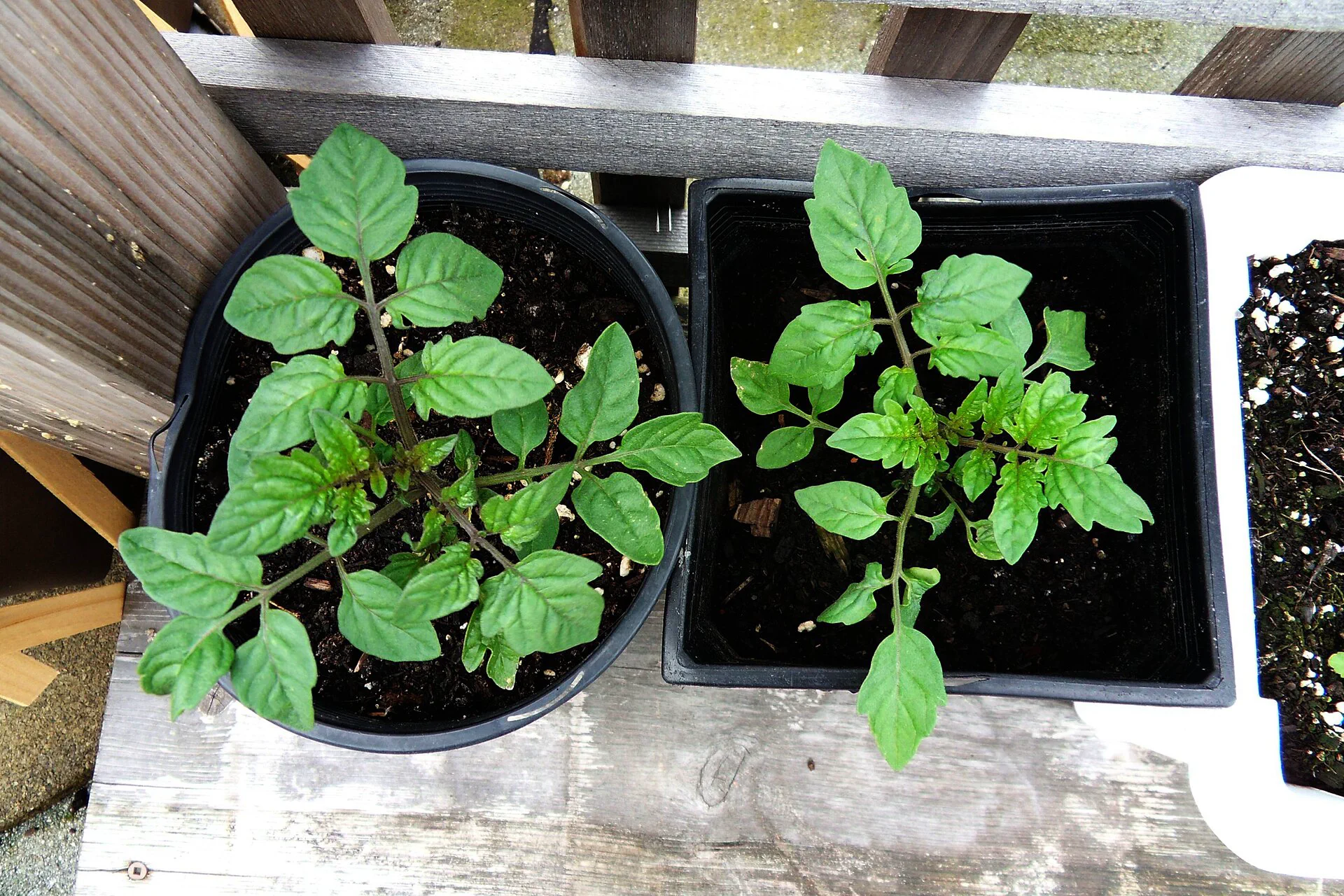
Photo by Jennifer C., CC BY 2.0, via Wikimedia Commons
Disclosure: this article may contain affiliate links.
You can successfully grow vegetables in pots by matching root depth requirements to container volume, using a lightweight potting medium that drains quickly, and maintaining a consistent watering schedule that prevents both drought stress and fungal rot. Container gardening removes the need for tilling heavy ground soil and gives you direct control over nutrient levels, making it an excellent approach for urban balconies, small patios, or regions with poor native soil. The key to a productive harvest lies in selecting varieties bred for compact growth, providing adequate light exposure, and adjusting care routines as temperatures shift throughout the season. When you learn container spacing rules, you create a system that supports steady growth without crowding delicate root systems.
Which vegetables adapt best to container growing?
Not every crop thrives in restricted root zones, so choosing the right varieties is the first step to a reliable harvest. Shallow-rooted greens and compact fruiting plants perform best because they reach maturity before exhausting the limited soil volume. Leafy crops like lettuce, spinach, and Swiss chard require only six to eight inches of depth and can be harvested continuously over several weeks. For fruiting vegetables, determinate tomato varieties, dwarf peppers, bush beans, and compact cucumber types are widely available from major seed suppliers and are specifically bred for container cultivation. Radishes and carrots also work well when you select short-rooted cultivars rather than long commercial types. Focus on plants that produce multiple pickings rather than single large harvests, as this maximizes your yield per square foot of patio space.
How large should pots be to grow vegetables in pots successfully?
The physical container dictates root space, moisture retention, and temperature stability. Fabric grow bags made from breathable polypropylene allow excess water to escape and prevent roots from circling, which encourages a healthier root structure. Rigid plastic or resin containers like the Melinor Grow Pot series offer durable walls, integrated drainage holes, and stackable designs that save space on narrow railings. Terracotta and unglazed clay pots breathe well and help prevent overwatering, but they dry out quickly in hot, windy conditions and require more frequent irrigation. Always verify that the container has adequate drainage holes at the bottom, as standing water quickly leads to oxygen deprivation and root decay. Aim for the following minimum volumes based on crop type:
- Leafy greens and herbs: two to three gallons
- Peppers and compact cucumbers: four to five gallons
- Determinate tomatoes and eggplant: five to seven gallons
When you compare container materials for heat retention, you can match the pot type to your local climate to avoid temperature shock during summer afternoons. Larger pots retain moisture longer and buffer root zones against rapid temperature swings, which reduces plant stress during heatwaves.
What potting mix and fertilizer should I use to grow vegetables in pots?
Garden soil or yard dirt should never be used in raised beds or pots because it compacts under repeated watering and restricts oxygen flow to the roots. A high-quality potting mix containing peat moss, coco coir, perlite, and vermiculite provides the lightweight structure and water retention needed for healthy container growth. Brands like Black Kow Premium Organic Vegetable Mix are formulated specifically for edibles and provide a balanced base without excessive compaction. Because water flushes nutrients out of containers faster than ground soil, you must supplement with a steady fertilizer schedule. A balanced water-soluble fertilizer like Miracle-Gro Water Soluble All Purpose Plant Food can be applied every two weeks during active growth, or you can incorporate slow-release organic granules at planting time to provide consistent nutrition throughout the season. Monitor leaf color closely, as pale green foliage often signals nitrogen deficiency, while yellowing lower leaves may indicate the plant is outgrowing its nutrient supply.
How to adjust watering and maintenance as seasons change
Container plants dry out faster than in-ground crops, making consistent moisture management the most critical maintenance task. Water deeply until it runs freely from the drainage holes, then allow the top inch of soil to dry slightly before watering again. Overwatering suffocates roots just as quickly as underwatering stunts growth, so insert your finger into the soil or use a basic moisture meter to verify conditions before adding more water. Mulching the surface with a thin layer of straw or shredded leaves reduces evaporation and keeps root zones cooler during peak summer heat. As temperatures drop in late summer, reduce watering frequency gradually to help plants prepare for dormancy or final harvest. If you grow under cover or on a shaded balcony, you may need supplemental lighting during shorter winter days to keep photosynthesis active. Tools like a simple Fiskars bypass pruner help you trim spent foliage and prevent disease spread without damaging tender stems.
Common issues that arise in container systems include aphids, whiteflies, and powdery mildew. These pests thrive in stagnant air and overly damp conditions. Improving airflow by pruning dense interior branches, avoiding overhead watering, and applying insecticidal soap at the first sign of infestation usually resolves outbreaks before they damage yields. Always inspect the undersides of leaves regularly, as early detection prevents minor pest activity from becoming a full-blown garden crisis.
Frequently Asked Questions
How often should I water vegetables grown in pots? Most container vegetables need watering every one to two days during warm weather, depending on pot size, material, and sunlight exposure. Check the top inch of soil daily, and water thoroughly when it feels dry to the touch rather than following a rigid calendar schedule.
Can I reuse potting soil from the previous growing season? You can partially reuse old potting mix by removing root balls, screening out debris, and amending it with fresh compost and perlite to restore structure. However, reusing soil beyond two seasons often leads to nutrient depletion, salt buildup, and increased risk of soil-borne diseases.
What size pot do I need for growing tomatoes in containers? Determinate or bush tomato varieties generally require a minimum container volume of five to seven gallons to support steady fruit production. Larger pots retain moisture longer, reduce temperature fluctuations, and provide enough room for the root system to anchor heavy fruit loads without toppling.
Do container vegetables need full sun or partial shade? Fruit-bearing crops like tomatoes, peppers, and squash require at least six to eight hours of direct sunlight daily to produce abundant harvests. Leafy greens and root vegetables tolerate partial shade and often perform better when protected from intense afternoon heat, which can cause bolting or bitterness.
Conclusion
Starting a productive container garden requires matching plant variety to pot volume, selecting a well-draining potting medium, and maintaining consistent moisture and nutrition levels. By focusing on compact cultivars, using breathable or insulated containers, and adjusting care routines as weather shifts, you can harvest fresh produce year after year without tilling heavy ground soil. Track your watering schedule, observe leaf color for nutrient clues, and prune regularly to keep airflow moving through dense foliage. With careful attention to root space and seasonal adjustments, learning how to grow vegetables in pots becomes a reliable method for producing food in limited outdoor areas.