Best Fertilizer for Tomatoes: The Complete Guide
Finding the best fertilizer for tomatoes requires matching nutrient ratios to the plant's growth stage while considering soil conditions and growing methods.…
Finding the best fertilizer for tomatoes requires matching nutrient ratios to the plant's growth stage while considering soil conditions and growing methods.…
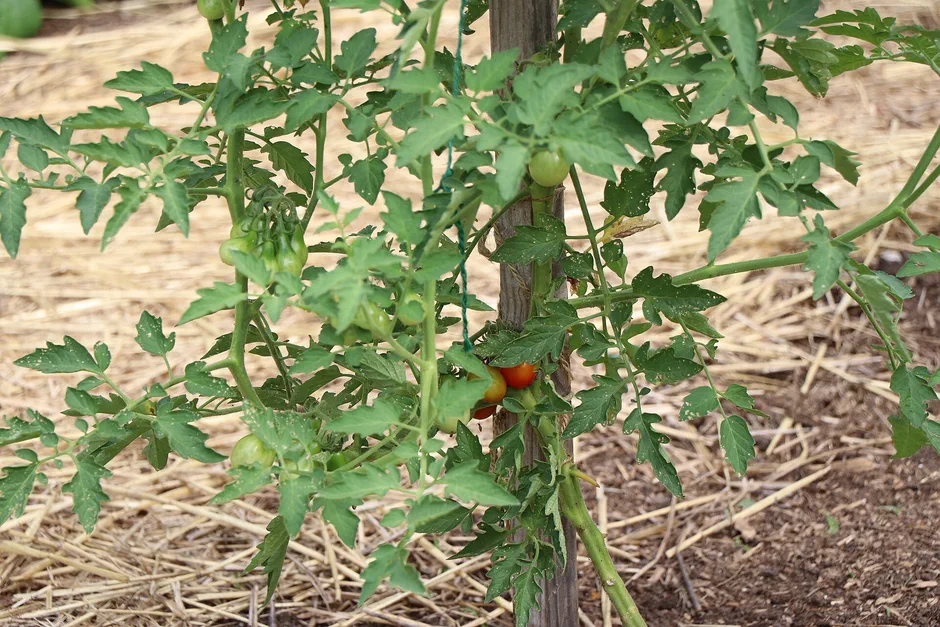
Photo by NPS, public domain, via Wikimedia Commons
Finding the best fertilizer for tomatoes requires matching nutrient ratios to the plant’s growth stage while considering soil conditions and growing methods. Tomato plants are heavy feeders that demand a steady supply of phosphorus and potassium for robust root development and fruit set, while excessive nitrogen can lead to lush foliage at the expense of harvestable yield. This guide outlines the essential nutrients, reliable product options, and application timelines to help you maximize production without risking plant health.
Disclosure: this article may contain affiliate links.
Decoding N-P-K Ratios for Tomato Success
The three numbers on fertilizer bags represent the percentage of Nitrogen (N), Phosphorus (P), and Potassium (K). Tomatoes have shifting nutrient needs throughout the season, so understanding these ratios prevents common issues like leggy growth or poor fruiting.
- Nitrogen promotes leaf and stem growth. While seedlings need moderate nitrogen to establish structure, too much nitrogen during the fruiting stage causes the plant to focus on leaves rather than fruit, delaying harvest and reducing flavor.
- Phosphorus supports root development, flowering, and energy transfer. Adequate phosphorus is critical for producing a high number of blooms, which directly translates to more fruit.
- Potassium improves overall plant vigor, disease resistance, and fruit quality. It helps regulate water uptake and ensures tomatoes develop firm walls and rich flavor.
When researching the best fertilizer for tomatoes, look for formulas with lower nitrogen and higher phosphorus and potassium, such as ratios like 5-10-10 or 4-8-8. Secondary nutrients also play a vital role; calcium strengthens cell walls to prevent blossom end rot, while magnesium aids chlorophyll production for healthy green leaves.
Reliable Fertilizer Products for Home Gardeners
Choosing the best fertilizer for tomatoes often comes down to whether you prefer the slow-release benefits of organic amendments or the rapid uptake of liquid solutions. The following products are widely available and trusted by growers for specific performance characteristics.
- Espoma Tomato-Tone: This organic granular fertilizer offers a balanced 3-4-4 ratio enriched with humic acid, which improves soil water retention and nutrient availability. It is OMRI listed for organic use and contains secondary nutrients like calcium and magnesium. Gardeners typically mix this into the top 2 to 3 inches of soil around the base of the plant or apply it as a side-dress every 4 to 6 weeks.
- Neptune’s Harvest Fish Emulsion: A liquid fertilizer derived from fish hydrolysate, this option provides a 5-1-1 ratio with fast-acting nitrogen for early vegetative growth. It is ideal for seedlings, transplanting, and giving plants a quick boost during heat stress. Because it is water-soluble, nutrients are absorbed rapidly through leaves and roots, though the product has a strong odor that dissipates quickly after watering. Dilute according to label directions, usually 1 to 2 tablespoons per gallon of water.
- Jobe’s Organics Tomato Fertilizer Spikes: These granular spikes deliver a slow-release formula directly to the root zone, reducing the frequency of application. They are designed for in-ground plants and work by releasing nutrients gradually as you water. Push the spike into the soil about 6 to 8 inches away from the stem and water thoroughly to activate the release cycle. This method is convenient for maintaining consistent nutrition over several weeks.
- Dr. Earth Tomato Fertilizer: This organic granular option features a 4-7-7 ratio and includes beneficial microbes and mycorrhizae to enhance soil biology and root absorption. It also contains kelp meal for natural growth hormones. The formulation supports long-term soil health while providing targeted nutrition for fruit development, making it a strong choice for gardeners building soil structure over multiple seasons.
Application Timelines Based on Growth Stage
Timing your applications ensures nutrients are available exactly when the plant needs them, preventing waste and nutrient burn.
- Transplanting: Incorporate a granular organic fertilizer or bone meal directly into the planting hole. This provides an immediate nutrient buffer for roots establishing in new soil. Avoid touching the roots with concentrated fertilizer to prevent burn.
- First 6 Weeks: During early vegetative growth, use a balanced liquid feed or a fertilizer with moderate nitrogen to support stem and leaf development. Apply liquid fertilizers every 2 to 3 weeks.
- First Flowering: Once the plant produces its first flower cluster, switch to a fertilizer with higher phosphorus and potassium. Reduce nitrogen inputs to encourage energy diversion toward fruit production.
- Fruit Set and Ripening: Maintain consistent feeding with a low-nitrogen, high-potassium formula. For granular fertilizers, side-dress plants at the 12-week mark by applying a ring of fertilizer around the drip line and watering it in.
- Late Season: Stop fertilizing 2 to 3 weeks before the expected first frost. Late nitrogen applications can delay ripening and cause green shoulders on the fruit.
Critical Fertilizer Mistakes to Avoid
Even with high-quality products, improper application can harm plants and reduce yield.
- Excessive Nitrogen: If leaves turn dark green and the plant produces few flowers, nitrogen levels are likely too high. Stop applying the best fertilizer for tomatoes immediately and flush the soil with water to leach excess salts. Pruning lower leaves can also help redirect energy.
- Ignoring Calcium Needs: Blossom end rot appears as dark, sunken spots on the bottom of the fruit and is often caused by calcium deficiency or inconsistent watering affecting calcium uptake. While adding calcium-rich amendments like gypsum helps, maintaining a consistent watering schedule is the most effective prevention.
- Over-Fertilizing Containers: Container soil lacks the nutrient reserves of ground soil and leaches nutrients quickly with frequent watering. The best fertilizer for tomatoes in pots is a water-soluble formula applied every 2 weeks. Granular slow-release fertilizers can also be used but should be monitored to prevent salt buildup.
- Skipping Soil Tests: Applying fertilizer blindly can lead to nutrient imbalances. Using a soil test kit once a year reveals pH levels and existing nutrient concentrations, allowing you to adjust amendments precisely. Tomatoes thrive in soil with a pH between 6.0 and 6.8.
Special Considerations for Organic Growing
Organic fertilizers release nutrients slowly as soil microbes break them down, improving long-term soil health. However, they may not provide the immediate surge of nutrients that synthetic options offer during peak demand periods. Combining slow-release organic granules with occasional liquid boosts, such as compost tea or fish emulsion, can bridge the gap. Always verify that products are OMRI listed if you are growing certified organic produce.
Frequently Asked Questions
Can I use all-purpose fertilizer instead of tomato-specific formulas? All-purpose fertilizers often have higher nitrogen levels that can promote excessive foliage growth at the expense of fruit production. Tomato-specific formulas are formulated with lower nitrogen and higher phosphorus and potassium, which better supports heavy fruiting and flavor development.
How often should I fertilize tomato plants during the season? Liquid fertilizers should generally be applied every 2 to 3 weeks during the active growing season, while granular slow-release fertilizers can be side-dressed every 4 to 6 weeks. Always follow label instructions and reduce frequency if plants show signs of nutrient burn, such as brown leaf tips.
Does Epsom salt help tomatoes produce more fruit? Epsom salt provides magnesium and sulfur, which can help correct yellowing leaves caused by magnesium deficiency, but it does not directly increase fruit yield. Only apply Epsom salt if a deficiency is confirmed through symptoms or soil testing, as overuse can lock out other essential nutrients like calcium.
What is the best fertilizer for preventing blossom end rot? Blossom end rot is primarily a calcium uptake issue often triggered by inconsistent watering rather than a lack of calcium in the soil. While adding calcium-rich amendments like gypsum or lime can help, maintaining even soil moisture and avoiding high-nitrogen fertilizers are the most effective strategies to prevent this disorder.
Can I use compost as a complete fertilizer for tomatoes? Compost improves soil structure and provides slow-release nutrients, but it may not contain sufficient phosphorus and potassium to support heavy fruit production on its own. For maximum yield, combine a generous base of compost with a targeted tomato fertilizer or bone meal to ensure adequate nutrient levels throughout the season.
Conclusion
Success with tomato cultivation hinges on providing the right balance of nutrients at the right times. By selecting a fertilizer with an appropriate N-P-K ratio, avoiding common application errors, and adjusting feeding based on growth stages, you can support vigorous plants and abundant harvests. Whether you choose organic granules, liquid emulsions, or slow-release spikes, consistency and observation will guide you to the best fertilizer for tomatoes for your specific garden conditions. Regular monitoring of plant response and soil health ensures adjustments can be made quickly, keeping your crop productive from first flower to final harvest.