Vegetable Garden
How to Harden Off Seedlings Without Killing Them
Learn how to harden off seedlings the right way so tomatoes, peppers, herbs, and flowers can move outdoors without transplant shock.
Learn how to harden off seedlings the right way so tomatoes, peppers, herbs, and flowers can move outdoors without transplant shock.
If you started seeds indoors this year, hardening off seedlings is the step that keeps all that effort from getting wrecked in two afternoons. Seedlings raised under lights or on a windowsill are used to stable temperatures, no wind, filtered light, and predictable moisture. Put them straight outside into full sun and spring wind, and they can scorch, wilt, stall out, or collapse from transplant shock.
The fix is simple: expose them to outdoor conditions gradually over about a week. Done right, your tomatoes, peppers, basil, cucumbers, and flower starts adapt fast and take off once planted.
What hardening off actually does
Hardening off is just controlled exposure. You’re teaching a soft indoor plant to deal with:
- direct sun
- moving air
- cooler nights
- lower humidity
- less frequent watering than a humidity dome or tray setup
That transition matters most for warm-season seedlings like tomatoes, peppers, basil, cucumbers, squash, and many annual flowers. Plants that stay indoors full time don’t need this process, and direct-sown seeds skip it because they start outside from day one.
If your seedlings are still small or leggy, fix that first. Our starting seeds indoors guide covers light, timing, and tray setup, and best grow lights for seedlings helps if your starts are stretching.
Signs your seedlings are ready
Don’t rush this because the calendar says spring. Start hardening off when:
- the seedlings have several true leaves
- roots are holding the potting mix together but not badly rootbound
- your local frost risk is nearly over
- daytime temperatures are reasonably mild
- you expect to transplant within about a week
For tomatoes and peppers especially, cold soil is still a problem even when days feel nice. If nights are still dropping hard, wait. The Old Farmer’s Almanac’s 2026 frost outlook also warns that some regions are running a week or two later than normal this spring, so using your local last-frost window still matters.
The simplest 7-day hardening off schedule
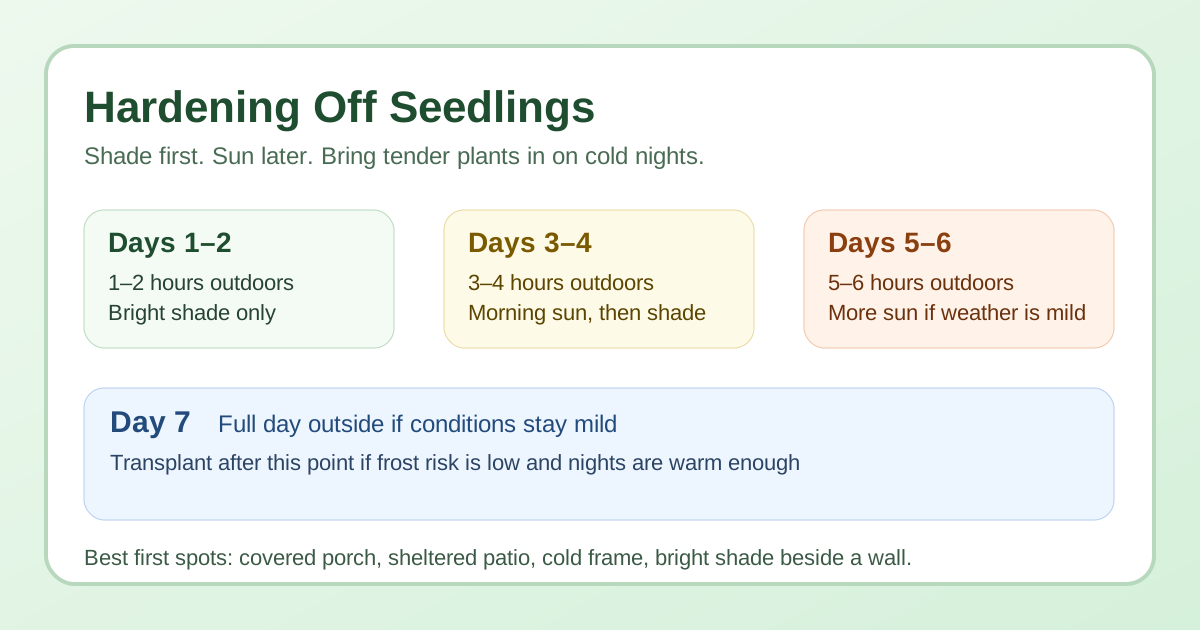
You do not need a complicated chart. You need shade first, sun later, and protection at night.
Day 1-2: Bright shade only
Put seedlings outside for 1 to 2 hours in a sheltered shady spot. A covered porch, patio corner, or spot beside a wall works well. Avoid midday sun and strong wind.
Bring them back inside afterward.
Day 3-4: More outdoor time, a little early sun
Move up to 3 to 4 hours outside. Give them a little gentle morning sun, then back to bright shade. Keep avoiding the roughest wind.
Check moisture before bringing them back in. Outdoor air dries trays and small pots faster than people expect.
Day 5-6: Half day outside
Go to 5 to 6 hours outdoors, including more direct sun if the weather is mild. By now the stems should look less floppy and the leaves should stop acting offended every time the breeze hits.
If nights stay above about 50°F for warm-season crops, you can start leaving sturdier seedlings out later into the evening.
Day 7: Full day outside
Leave them outside for most or all of the day. If conditions stay mild overnight and the crop is frost-sensitive but the forecast is safe, many gardeners transplant after this point.
If the weather turns ugly, extend the schedule. Hardening off is not a test of discipline. It’s a weather-dependent ramp.
The biggest mistakes that cause transplant shock
1. Starting with full sun
This is the classic beginner mistake. Indoor-grown leaves burn fast. Start with shade, then add sun gradually.
2. Ignoring wind
Wind can do almost as much damage as sun. A breezy deck that feels pleasant to you can flatten tender seedlings. Shelter matters.
3. Leaving seedlings out on a cold night too early
Hardening off helps plants adjust, but it does not make frost-tender plants frost-hardy. Tomatoes and peppers still hate cold nights.
A lightweight plant cover or frost blanket can save a tray when temperatures dip unexpectedly. This floating row cover/frost blanket is a practical one to keep around for spring swings. Affiliate link — we may earn a small commission at no cost to you.
4. Letting trays dry out completely
Outdoor exposure means faster drying. Small cells can go from fine to bone-dry in a few hours on a breezy day. Water lightly when needed, but don’t drown them.
If you’re moving a lot of starts in and out, a sturdy seed starting tray with humidity dome and bottom tray makes the shuffle a lot easier and keeps roots together better than flimsy improvised containers.
5. Transplanting into bad conditions anyway
Even perfectly hardened seedlings struggle if you transplant them into cold mud, compacted soil, or a windy exposed bed. Pair good hardening-off with good bed prep. If you’re planting outdoors, raised bed gardening for beginners and seasonal planting guide will help you avoid lousy timing.
Where to put seedlings during hardening off
Best options, in order:
- covered porch with bright indirect light
- sheltered patio with morning sun
- cold frame with the lid vented during the day
- against a south- or east-facing wall with wind protection
Worst options:
- all-day reflected heat on concrete right away
- a table in open wind
- full afternoon sun on day one
- anywhere temperatures can still freeze overnight
If you’ve got seed trays all over the place, keep them grouped and labeled. You want to know which plants are ready first, especially if you started both cool-season and warm-season crops.
Which seedlings need the most caution?
Be extra careful with:
- tomatoes
- peppers
- basil
- cucumbers
- squash
- zinnias and other tender annuals
Cool-season crops like lettuce, kale, broccoli, and cabbage usually adapt faster, but they still benefit from a gradual transition.
Should you harden off nursery plants too?
Usually yes, at least briefly.
Even if you bought transplants from a garden center, you don’t know how protected they were. Some stores keep them in covered racks or shade structures. Giving them 2 to 4 days to adjust at home is cheap insurance.
This matters a lot with herbs and vegetable starts bought early in the season, when stores put them out before your yard is truly ready.
A simple transplant day checklist
Before planting outside:
- water seedlings an hour or two beforehand
- transplant in the evening or on an overcast day if possible
- avoid windy afternoons
- have mulch and water ready
- protect new transplants if a late cold snap is coming
After transplanting, keep moisture even while the roots settle in. Our garden watering schedule guide and overwatering vs underwatering guide help once the plants are in the ground or containers.
If you’re planting warm-season crops in containers, a small outdoor thermometer with min/max tracking is useful for spotting those sneaky cold nights before they stall peppers and tomatoes.
When to delay the whole process
Wait a few more days if:
- a cold front is coming
- daytime highs are still unusually low
- your seedlings are pale, stretched, or stressed already
- you can’t monitor them during the first couple of days
There is no prize for being early. A seedling planted one week later in better conditions often beats the one planted early and shocked.
The bottom line
Hardening off seedlings is boring compared with buying seeds or planting a garden, but it’s one of the highest-payoff steps in spring gardening. Give seedlings a gradual week outdoors, protect them from full sun and cold nights at the start, and transplant only when the weather is actually cooperating.
Do that, and your starts have a much better shot at turning into productive plants instead of expensive compost.
Related Reads
- Starting Seeds Indoors: A Step-by-Step Guide for Beginners — start strong before hardening off even begins
- Best Grow Lights for Seedlings — fix weak, stretched starts before moving them outside
- Seasonal Planting Guide for Home Gardeners — match transplant timing to the season instead of guessing
This post contains affiliate links. If you buy through our links, we may earn a commission at no cost to you. We only recommend products we’d genuinely use.
Keep reading
Related guides
How to Grow Peppers at Home: A Beginner-Friendly Guide
Learn how to grow peppers at home from seed to harvest, including timing, soil, watering, feeding, and container tips for beginners.

How to Grow Strawberries at Home (In the Ground or in Containers)
Strawberries are one of the most rewarding crops a beginner can grow — in raised beds, containers, or hanging baskets. Here's exactly how to do it right.

Best Vegetables to Plant in Spring: A Month-by-Month Guide
What to plant and when for a productive spring vegetable garden.