Best Tomato Varieties for 2026
Choosing the best tomato varieties for 2026 starts with three questions: how long your growing season is, how much space you have, and how you plan to eat…
Choosing the best tomato varieties for 2026 starts with three questions: how long your growing season is, how much space you have, and how you plan to eat…
Disclosure: this article may contain affiliate links.
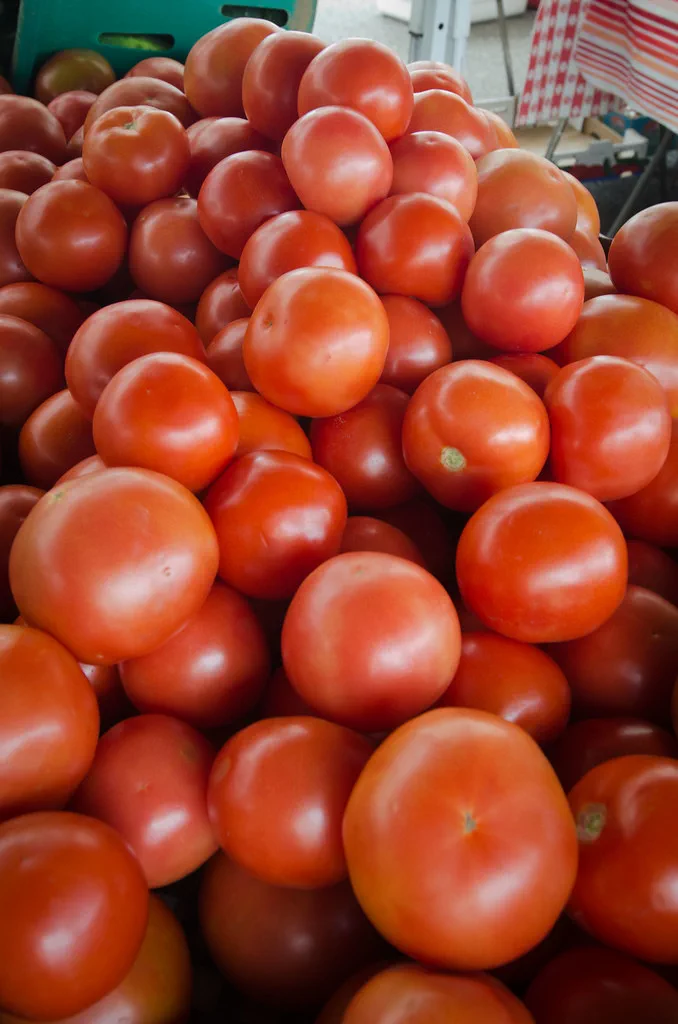
Choosing the best tomato varieties for 2026 starts with three questions: how long your growing season is, how much space you have, and how you plan to eat the fruit. For most home gardens, the strongest starting list includes easy cherry types, reliable slicing types, compact sauce types, and a couple of flavorful heirlooms if you have room and patience. If you have a short season, choose early, compact, and determinate types. If you have a long warm summer, indeterminate types can give steady harvests. If you are growing in containers, pick bushy or dwarf forms that do not need tall cages.
How to choose the best tomato varieties for your garden
A good list of best tomato varieties is not one universal list. It is a short set of matches between your conditions and the plant’s habits. A tomato that works beautifully in a long summer may struggle in a cold, rainy one, while a compact container type may disappoint if you are looking for large slicing fruit.
Before you buy seed or seedlings, decide on a few key traits.
- Growing season length. If your summer is short, favor early varieties and start seeds indoors before transplanting outside. If your summer is long, indeterminate types can keep producing until the first hard frost.
- Space and support. Determinate tomatoes are bushier and often finish fruiting over a shorter period. Indeterminate tomatoes keep growing taller and can need cages, stakes, or trellises.
- Eating style. Cherry tomatoes are great for snacking, salads, and quick harvests. Slicing tomatoes are better for sandwiches. Paste tomatoes are better for sauce, canning, and concentrating flavor.
- Climate stress. In humid areas, choose types with good airflow and avoid crowding. Heirlooms can be delicious, but they often need more attentive care in wet conditions.
- Harvest plan. If you want to eat fresh most of the summer, plant a mix of early and later varieties so the harvest does not all arrive at once.
If you are starting in containers, choose a well-draining potting mix so roots do not sit in water. Container tomatoes also benefit from a steady supply of nutrients because the soil volume is smaller.
Which cherry tomato varieties are easiest for beginners?
Cherry tomatoes are often the most forgiving choice for new growers because they fruit early, tolerate uneven weather better than many large slicers, and keep producing over time. They are also less demanding when it comes to perfect harvest timing, which makes them great for first-time gardeners.
Good beginner-friendly cherry and grape types to consider include:
- Super Sweet 100: A widely grown hybrid cherry tomato known for sweet flavor and steady production. It is a good choice if you want reliable snacking fruit.
- Sungold: An orange cherry tomato with a rich, sweet flavor. It is popular for fresh eating and can be more demanding than standard red cherry types, so it benefits from consistent watering.
- Tumbling Tom: A bushy cherry type that works well in containers and small spaces. Its compact habit makes it easier to manage than very tall indeterminate cherry tomatoes.
- Black Cherry: A deep-colored cherry type with a rich flavor. Dark cherry varieties can be especially good for salads and snacking.
- Zombie: A black cherry tomato that is often grown for its distinctive color and bold flavor. It is a good option if you want something different from standard red cherry types.
When choosing cherry tomatoes, look for varieties that are labeled for your climate and growth habit. Compact types are easier in pots, while long-vining types are better in a cage or on a trellis where you can harvest for many weeks.
What are the best slicing tomatoes for fresh eating?
Slicing tomatoes are the ones most people think of when they imagine a garden tomato: firm enough to cut, juicy, and flavorful enough for sandwiches, salads, and fresh plates. The goal is a balance between size, flavor, and reliability. Some slicers are bred for consistent production, while others are grown mainly for complex flavor.
Popular slicing types include:
- Celebrity: A common all-around slicer that is widely available and often recommended for home gardens. It is a practical choice if you want a dependable plant for fresh eating.
- Better Boy: A sturdy hybrid slicer that is popular for its size and uniform shape. It is a good fit for gardeners who want a reliable tomato for salads and sandwiches.
- Early Girl: A good option for shorter seasons because it tends to mature earlier than many large slicers. It is useful when the growing window is limited.
- Big Beef: A large slicer grown for its size and yield. It is a good choice if you want fewer, bigger fruits for fresh eating.
- Jersey Girl: An early slicer that is often favored in gardens where a quick harvest matters. It can be a good bridge between early cherry production and larger fruit.
- Mortgage Lifter: A large, flavorful slicer that is popular for fresh eating. It is a good option if you have enough space and are willing to support a vigorous plant.
For slicing tomatoes, choose a location with good airflow. Crowded plants can trap moisture, which makes leaves more vulnerable to disease. Pruning or thinning crowded branches can help keep the fruit cleaner and easier to find.
Which paste tomato varieties are good for sauce and canning?
Paste tomatoes are grown for concentrated flavor, thick flesh, and lower seed content compared with many juicy slicers. They are the right choice if you want to make sauce, paste, canned tomatoes, or roasted tomato dishes. The best paste types are usually not the sweetest fresh-eating tomatoes, but they can be excellent when cooked.
Good paste and sauce types include:
- Roma: The classic paste tomato. It is widely grown and commonly used for sauce because it tends to have dense flesh and a good balance of sweetness and acidity.
- San Marzano: A long, narrow paste tomato often associated with high-quality sauce. It is a good choice if you want a traditional canning and sauce tomato.
- Amish Paste: A compact paste type that can work well in smaller gardens. It is a useful option if you want sauce tomatoes without a very large vine.
- Merlice: A paste type grown for dense fruit and good sauce-making potential. It is a good fit for gardeners who want a more traditional sauce tomato.
- Costolento Genovese: A heirloom-style paste tomato with strong flavor. It may need more attentive care than standard hybrid paste types, but it can be rewarding for sauce lovers.
If you plan to can or preserve, choose varieties that are described as paste or sauce types. These fruits usually reduce more efficiently and give a thicker result than very juicy slicers. For fresh eating, however, a Roma may taste less juicy than a large slicer, so it is best to grow both types if you want variety.
Are heirloom tomato varieties worth the extra care?
Heirloom tomatoes are often grown for flavor, history, and distinctive appearance. They can be the most memorable tomatoes in the garden, but they are not always the easiest. Many heirlooms have been selected over time for taste and appearance rather than for uniform disease tolerance or shipping durability.
Popular heirloom and flavor-focused types include:
- Brandywine: One of the most well-known heirloom tomatoes. It is grown for rich, complex flavor and large fruit, but it often needs good air circulation and consistent care.
- Cherokee Purple: A dark, purplish-brown heirloom with a rich flavor. It is a good choice for gardeners who want a distinctive slicer with a deeper color.
- Green Zebra: A green-striped tomato that is best eaten when fully ripe. Its flavor is often described as tangy and complex, which makes it good for salads and fresh eating.
- Black Krim: A dark-colored tomato with a sweet, rich flavor. It is a popular heirloom choice for gardeners who want a flavorful slicer with a striking look.
- Yellow Brandywine: A yellow heirloom with a mellow, sweet flavor. It is a good option if you want a different color and flavor profile from standard red tomatoes.
Heirlooms can be worth the extra attention if you enjoy harvesting over time and are willing to manage airflow, watering, and support. They are also a good fit for gardeners who care about flavor first. If your top goal is simplicity, a reliable hybrid cherry or slicer may be a better starting point.
What tomato varieties work best in containers?
Container tomatoes need space, drainage, and steady moisture. Because pots dry out faster than the ground, container plants can be sensitive to inconsistent watering. The easiest container types are dwarf or bushy plants that do not need a very tall cage, although many indeterminate tomatoes can still be grown successfully in large containers with strong support.
Good container-friendly types include:
- Tiny Tim: A dwarf tomato often used in small containers. Its compact size makes it a practical choice for balconies, patios, or small gardens.
- Tumbling Tom: A bushy cherry type that is well suited to containers. It can give a high volume of small fruit without requiring the same amount of vertical support as a tall vine.
- Balcony: A compact tomato type that is popular for container growing. It is a good choice if you have limited space but still want a productive plant.
- Roma: A compact paste type that can work in containers when the pot is large enough to hold steady moisture. It is a good option if you want sauce tomatoes in a smaller footprint.
- Celebrity: A standard slicer that can be grown in a container, but it will need a larger pot, good support, and consistent feeding.
For container growing, use a deep enough container to hold a good root zone, and water when the surface soil begins to dry. A layer of mulch can help keep moisture more even. If you are feeding container plants, use a balanced vegetable fertilizer according to the label, because container plants can use nutrients faster than plants in the ground.
How to grow tomatoes from seed to harvest
Good tomato growing is mostly about steady conditions. Tomatoes are warm-season plants, and they perform best when the soil is warm, the plants are not stressed, and the garden is not overcrowded. A practical routine will get you further than any single trick.
- Start seeds indoors. Start seeds before the last frost date for your area so seedlings are ready to transplant when the soil is warm enough.
- Harden off seedlings. Gradually move seedlings outside over several days so they adjust to full sun, wind, and cooler nighttime temperatures.
- Transplant after frost risk passes. Avoid putting young plants in cold, wet soil. Tomatoes set fruit more reliably when the ground has warmed and the season is moving forward.
- Give them space. Leave room between plants so air can move through the leaves. Crowded beds can hold moisture against the foliage, which invites disease.
- Support early. Put cages or stakes in the ground before plants get large. This makes it easier to keep branches from bending and reduces damage later.
- Water at the soil line. Keep water off the leaves as much as possible. Consistent moisture helps prevent cracking and improves fruit quality.
- Mulch the soil. A layer of mulch helps hold moisture, reduce weeds, and keep the soil temperature more stable.
- Feed as plants grow. A tomato fertilizer or balanced vegetable food can support healthy growth and fruiting. Look for products such as Espoma Tomato-Tone or Jobe’s Organic Tomato & Vegetable Fertilizer if you want a tomato-specific option.
- Prune when needed. For indeterminate types, thin crowded branches and remove lower leaves that are touching the soil. This improves airflow and makes fruit easier to see.
- Harvest regularly. Pick ripe fruit when it is evenly colored and gives slightly to gentle pressure. Regular picking encourages the plant to continue producing.
Use a sturdy hand trowel, a watering can or soaker hose, and a pair of sharp pruning shears for clean cuts. Well-known brands such as Fiskars and Gilmour make basic tools that are easy to find and useful for tomato care.
What mistakes keep tomatoes from producing?
Even good tomato varieties can underperform if basic conditions are off. The most common beginner problems are not mysterious. They are usually related to water, spacing, feeding, or timing.
- Planting too early. Cold soil and short days can slow growth and delay fruit set. Waiting until the soil is warm and the last frost has passed gives plants a better chance.
- Inconsistent watering. Dry spells followed by heavy watering can cause cracking, blossom drop, or uneven fruit quality.
- Overfeeding nitrogen. Too much leaf growth without enough fruiting can happen when feeding is too heavy. Feeding should support the whole plant, not just large green leaves.
- Crowded plants. Dense foliage traps moisture and makes disease more likely. Spacing matters as much as variety choice.
- Watering the leaves. Wet leaves can encourage fungal problems, especially in humid weather. Watering at the base is usually better.
- Not supporting vines. Tall indeterminate plants can flop, break, or pull fruit into the soil. Cages and stakes should be in place early.
- Ignoring airflow. Removing some lower leaves and thinning crowded branches can help keep fruit cleaner and reduce pressure from leaf disease.
If your plants are leafy but not fruiting, check water, feeding, and spacing before assuming the variety failed. Often the plant is simply stressed or the season is still developing.
Conclusion: Start with a small, practical list
The best tomato varieties for your yard are the ones you will actually feed, support, and harvest. A strong beginner combination is one easy cherry type, one reliable slicer, one compact paste type, and one container-friendly option if you have space. Add an heirloom after you feel comfortable with basic watering, support, and pruning. Keep the garden simple at first, then expand with varieties that match your climate, your eating habits, and the amount of attention you want to give.
Frequently Asked Questions
Which best tomato varieties should a beginner start with?
Start with easy types such as Super Sweet 100 for cherry tomatoes, Celebrity or Better Boy for slicing, and Roma for sauce. These are widely grown, practical choices that give new gardeners a good chance of success. If you have a short season, add an early type like Early Girl for a faster harvest.
What is the difference between determinate and indeterminate tomatoes?
Determinate tomatoes are bushier and tend to set fruit over a shorter period, which can make them easier to manage in small spaces. Indeterminate tomatoes keep growing and producing until frost, so they often need cages, stakes, or trellises. For container growing, determinate or compact types are often simpler.