Fertilizers & Soil
When to Fertilize a Vegetable Garden: Spring Timing Guide
Learn when to fertilize a vegetable garden in spring, after planting, and midseason so you feed vegetables at the right time without overdoing it.
Learn when to fertilize a vegetable garden in spring, after planting, and midseason so you feed vegetables at the right time without overdoing it.
When to fertilize a vegetable garden matters more than the exact bag you buy. Feed too early and nutrients wash away before plants use them. Feed too heavily and you get a lot of leaves, not much harvest. For most beginner gardens, the practical rhythm is simple: build the soil before planting, feed heavy feeders again once they are actively growing, and stay conservative with crops that make their own nitrogen or barely need help at all.
That timing lines up with what multiple extension programs keep repeating every spring: test the soil first, work in your pre-plant nutrition before the main planting push, then side-dress later only where it actually helps. If fertilizer labels still feel annoying, start with our plain-English guide to NPK fertilizer explained, because timing and formula have to work together.
Start with a soil test, not a guess
If you only remember one thing from this article, make it this: fertilizer should solve a nutrient problem, not act like a gardening superstition. University of Maryland, Clemson, Michigan State, and Texas A&M all push the same basic point — test first when you can, because soil pH and existing nutrient levels change what your garden actually needs.
A basic garden soil test kit on Amazon is a reasonable first step for a home garden if you want a quick read before planting beds or side-dressing everything in sight.
This matters even more if you already amended your beds with compost, manure, or old fertilizer last season. Soil that is rich in phosphorus and potassium often does not need a full balanced feed every time. If your pH is off, nutrients can also become harder for plants to use. That is why our soil pH testing for beginners guide is worth pairing with this one.
The best time to fertilize before planting
For most vegetable gardens, the first feeding happens before or right at planting time.
That is the moment to:
- mix in compost
- incorporate granular fertilizer into the top few inches of soil
- avoid dumping fertilizer into walkways or random empty space
- match the amount to the crop and your soil condition
Michigan State Extension recommends getting the pre-plant fertilizer into the garden about a week before planting. Clemson similarly recommends putting in the phosphorus and potassium before planting, along with part of the nitrogen, then saving the rest for later.
In plain English: do not blow the whole fertilizer budget on day one unless a soil test specifically tells you to.
If you are getting beds ready for spring right now, combine this with raised bed gardening for beginners so the soil mix, drainage, and feeding plan all make sense together.
Which vegetables need fertilizer early
Not every crop should be treated like a hungry tomato plant.
Heavy feeders that usually benefit from pre-plant fertilizer
These crops tend to respond well when the soil is enriched before planting:
- tomatoes
- peppers
- cucumbers
- squash and zucchini
- corn
- broccoli, cabbage, and cauliflower
These are the plants that burn through nutrients fastest once they hit active growth. If your spring garden is built around summer vegetables, getting the soil ready up front matters a lot.
Light feeders or nitrogen-fixers that need less help
These crops usually need a lighter hand:
- beans
- peas
- radishes
- many herbs
- carrots in reasonably good soil
Beans and peas can make use of nitrogen-fixing bacteria, so overfeeding them with nitrogen often creates lots of green growth and not much payoff.
If you are deciding what to plant this season, our best vegetables to grow in spring guide is a good next stop.
When to side-dress vegetables after planting
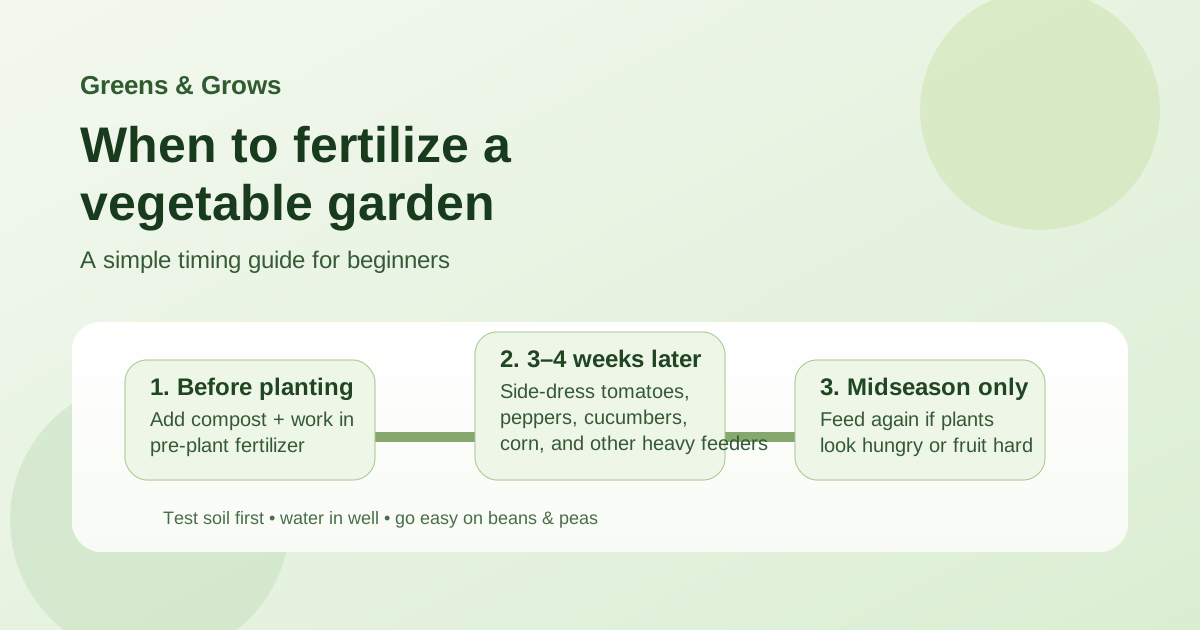
For many beginner gardens, the second important timing window is about 3 to 4 weeks after planting, or once the plants are clearly established and growing hard.
That is when side-dressing makes sense for heavy feeders.
Side-dressing means placing fertilizer next to the plants instead of mixing it through the whole bed. It is useful because you are feeding active roots instead of the entire garden.
A simple granular vegetable garden fertilizer on Amazon works well for this stage if you want an easy beginner option.
Keep it simple:
- place fertilizer a few inches away from stems, not right against them
- scratch it lightly into the top layer of soil
- water it in well
- do not side-dress dry, wilted plants in hot sun
That last point matters. Fertilizer is not a substitute for watering. If moisture has been inconsistent, fix that first with the help of our garden watering schedule guide.
When to fertilize during flowering and fruiting
This is where beginners often go too hard.
Once crops are flowering and setting fruit, some plants do benefit from another light feeding — especially tomatoes, peppers, cucumbers, squash, and container-grown vegetables. But that does not mean dumping on high-nitrogen fertilizer every week.
Too much nitrogen late in the season can mean:
- huge leafy plants
- weak flowering or poor fruit set
- softer, more pest-prone growth
- a garden that looks impressive but under-delivers
A liquid option like fish emulsion fertilizer on Amazon can be useful here because it is easy to apply lightly and adjust if plants actually need help.
A good rule is to feed again only if one or more of these are true:
- the crop is a known heavy feeder
- the plant looks pale or stalled
- you are gardening in containers or very fast-draining raised beds
- you have had a lot of rain that likely leached nutrients
A simple beginner fertilizer schedule
If you want the least-confusing version, use this:
Before planting
- add compost
- mix in a balanced fertilizer if your soil is average and not freshly amended
- keep legumes lighter than tomatoes, peppers, cucumbers, and corn
3 to 4 weeks after planting
- side-dress heavy feeders
- skip or reduce feeding for beans and peas
- water well after applying
Midseason
- feed only if plants are clearly hungry, fruiting hard, or growing in containers
- stay moderate, especially with nitrogen
That is enough for most home gardens.
Signs your vegetables may actually need fertilizer
Fertilizer is most useful when the plants are giving you a reason.
Watch for:
- pale green or yellowing leaves that are not just old lower foliage
- slow growth despite warm weather
- weak production on crops that should be taking off
- heavy rain periods followed by obvious nutrient fade
But do not blame everything on nutrients. Compacted soil, poor drainage, crowding, cold soil, and inconsistent watering can all look like fertilizer problems.
If the whole garden feels off, it is worth revisiting how to make compost at home too. Long-term soil structure often fixes more problems than another round of quick-feed fertilizer.
Organic vs. synthetic timing
The timing logic is similar, but the behavior is a little different.
Organic fertilizers
Organic feeds usually release nutrients more slowly. That makes them useful for pre-plant soil building and gentler long-term feeding.
Synthetic fertilizers
Synthetic fertilizers act faster and are easier to measure precisely, which makes them helpful for side-dressing or correcting obvious deficiency faster.
For most beginners, the smartest move is not to turn this into a philosophy war. Use compost to build the soil, then use targeted fertilizer only where it solves a real problem.
Mistakes to avoid
Fertilizing everything the same way
Tomatoes and beans are not the same plant. Cucumbers and carrots are not the same plant. Feed according to crop type.
Fertilizing dry soil
If the soil is bone dry, water first. Fertilizer on stressed roots is an easy way to create more stress.
Reapplying because you feel nervous
Anxious overfeeding is real. If plants are healthy, green, and growing, more fertilizer is not automatically helpful.
Forgetting that compost counts
If you start each season by adding compost and your soil has decent organic matter, your garden may already be getting more nutrition than you think.
The easiest rule to remember
If you want the short version, it is this:
- feed the soil before planting
- feed heavy feeders again after they establish
- go lighter than you think for beans, peas, and already-rich beds
- stop treating fertilizer like a weekly ritual
That approach is boring, which is exactly why it works.
Related Reads
- What Is NPK Fertilizer? A Simple Explanation — decode fertilizer labels before you buy anything
- Soil pH Testing for Beginners: Get Garden Soil Right — make sure nutrients are actually available to your plants
- Raised Bed Gardening for Beginners: Setup, Soil, and What to Plant — build spring beds that feed vegetables properly from the start
This post contains affiliate links. If you buy through our links, we may earn a commission at no cost to you. We only recommend products we’d genuinely use.
Keep reading
Related guides
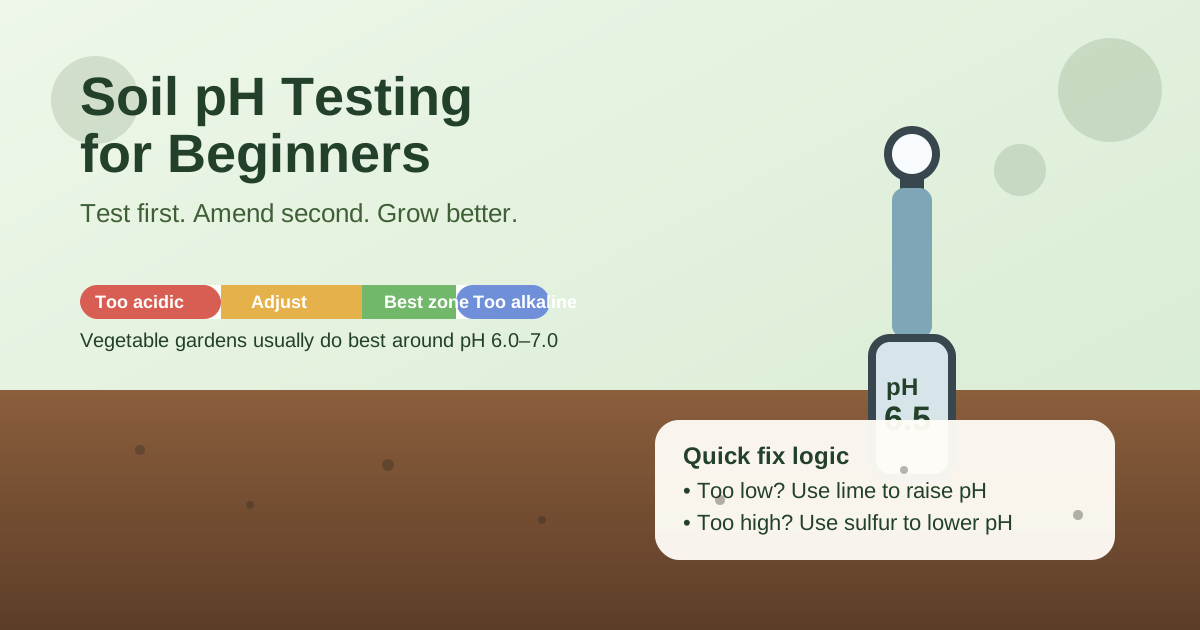
Soil pH Testing for Beginners: Get Garden Soil Right
Learn soil pH testing for beginners, including when to test, ideal vegetable-garden pH, and how to raise or lower pH without guessing.

Natural Pest Control: Keep Bugs Off Your Plants Without Chemicals
Organic and natural methods to protect your garden from common pests.

How Much Water Does Your Garden Really Need? A Practical Guide
Stop guessing — here's how to water your outdoor garden correctly.