Fertilizers & Soil
Best Compost Bins for Small Yards and Patios
The best compost bins for small yards and patios make kitchen scraps and yard waste manageable without smells, pests, or a giant footprint.
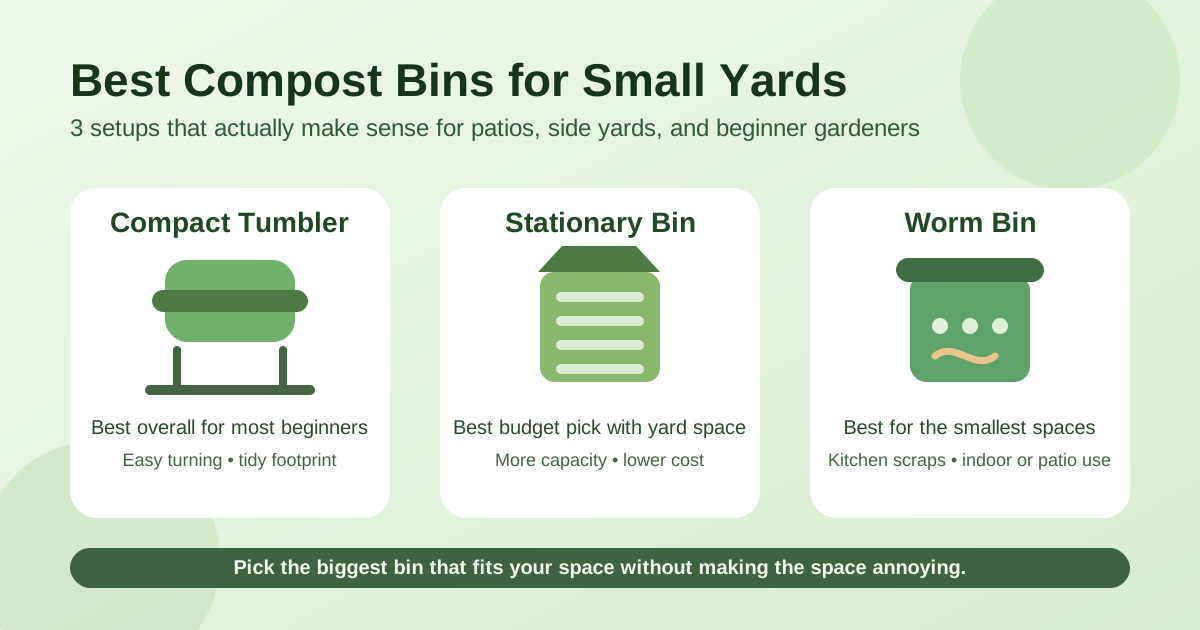
The best compost bins for small yards and patios make kitchen scraps and yard waste manageable without smells, pests, or a giant footprint.
The best compost bins for small yards and patios are usually smaller and simpler than people expect. For most beginners, the right pick is either a compact tumbler, a basic aerated stationary bin, or a worm bin. What usually fails in a tight space is buying something too big, too fussy, or too smelly for the spot you actually have.
That matters right now because spring is when people start cleaning up beds, planting containers, and finally getting serious about reducing kitchen scraps. Fresh 2026 gardening coverage has leaned hard into small-space and patio-friendly setups, and that tracks with real life: a lot of newer gardeners do not have room for a giant three-bin compost station.
If you want the basics of how composting works before you buy anything, start with our full how to make compost at home guide. This article is the shopping shortcut: what type of bin to choose, what to skip, and which setup actually works in a small yard.
What Makes a Compost Bin Good for a Small Yard?
In a big backyard, you can get away with a messy pile in the corner. In a small yard or patio setup, you need the bin to do more of the work.
Here’s what actually matters.
1. A realistic footprint
A compost bin that technically fits but blocks your walkway is the wrong compost bin.
For tight spaces, look for something that:
- fits against a fence or railing without making the area awkward
- leaves room to open the lid comfortably
- is easy to reach with a kitchen scrap caddy or bucket
- does not force you to drag heavy material across the whole yard
2. Pest and odor control
Small spaces punish sloppy composting faster. If your setup is right next to your patio chairs or kitchen door, you want a system that helps contain smells and discourages rodents.
That usually means a lid, decent ventilation, and the discipline to cover wet food scraps with dry browns. EPA guidance on home composting also makes the key point that some systems work better for tighter spaces than others, especially worm composting, which takes very little room and can be used indoors or outdoors.
3. Easy turning or easy management
A compact compost bin only helps if you’ll actually use it.
For some people, that means a tumbler they can rotate in under a minute. For others, it means a low-cost stationary bin where they can layer leaves and kitchen scraps without thinking too hard. If the setup feels annoying, it usually gets abandoned.
4. Enough volume to work well
Too small can be a problem too.
If you cook a lot, drink coffee daily, and garden in containers, a tiny novelty bin fills up fast. Penn State’s home composting guidance also notes that composting works best when the pile has enough mass to hold moisture and support steady breakdown. In practice, that means choosing the biggest bin that fits your space without making the space miserable.
Best Compost Bins for Small Yards and Patios
These are the three setups that make the most sense for beginners.
1. Compact dual-chamber tumbler
This is the easiest recommendation for most people.
A small or medium compact compost tumbler for patios keeps scraps contained, looks tidier than an open pile, and makes turning way easier. Affiliate link — we may earn a small commission at no cost to you.
Best for: beginners, small backyards, side yards, townhome patios, and anyone who wants the least messy outdoor option.
Why it works:
- easier to turn than a stationary pile
- enclosed design helps with pests
- more neighbor-friendly in visible spaces
- dual chambers let one side finish while the other side fills
What to watch:
- tiny tumblers fill quickly if you generate a lot of yard waste
- they work best when you still add enough dry browns
- some cheap models are harder to spin once they get heavy
If your goal is a neat, low-drama setup that handles kitchen scraps plus moderate garden trimmings, this is usually the sweet spot.
2. Aerated stationary bin
If you have even a modest corner of yard, a small outdoor compost bin or simple ventilated stationary system often gives you more composting capacity for less money. Affiliate link — we may earn a small commission at no cost to you.
Best for: small yards with some leaf drop, raised-bed gardeners, and anyone who wants a better price-to-capacity ratio.
Why it works:
- more volume per dollar than a tumbler
- handles dry leaves and yard cleanup better
- simple design means less to break
- great if you already have browns available from your yard
What to watch:
- less ideal for a tight decorative patio
- turning is more manual
- a badly managed open-bottom setup can attract pests
This is the better option if you want compost volume more than convenience. If you mostly garden in containers and don’t produce many leaves or stems, a tumbler or worm bin is usually more practical.
3. Worm compost bin
If your space is truly limited, a worm compost bin for kitchen scraps is the smartest small-space option most beginners overlook. Affiliate link — we may earn a small commission at no cost to you.
Best for: patios, balconies, apartments with outdoor space, and gardeners who mostly want to compost food scraps rather than piles of yard waste.
Why it works:
- tiny footprint compared with a standard compost pile
- can be used indoors, in a garage, or in a sheltered outdoor spot
- produces excellent worm castings for containers and herbs
- low odor when managed properly
What to watch:
- not the right system for lots of woody stems or heavy fall leaf cleanup
- worms need moderate temperatures
- overfeeding creates smells fast
EPA specifically points out that vermicomposting takes little space and can be done indoors or outdoors. For a patio gardener growing herbs, greens, or tomatoes in pots, that’s a real advantage.
If most of your gardening happens in containers, pair those castings with the right potting mix strategy from our guide to the best soil for potted plants.
What I Would Skip in a Small Space
Not every compost product marketed to beginners is actually a good fit.
Huge tumblers
A giant tumbler sounds efficient until it dominates the patio and becomes too heavy to rotate comfortably.
Open piles on a patio
If you have a large yard corner, fine. If you have a compact patio, it usually becomes a smell-and-flies project.
“Electric composters” sold as full replacements
Some countertop appliances reduce food scraps by drying and grinding them, but they do not create finished compost by themselves. EPA makes this distinction clearly. They can be useful as pre-processors, but they are not the same thing as having a real composting system.
Which Type Should You Choose?
If you want the quick answer:
- Buy a compact tumbler if you want the easiest all-around beginner setup.
- Buy a stationary aerated bin if you have a small yard corner and care about value and capacity.
- Buy a worm bin if you mostly want to compost kitchen scraps in a very tight space.
That’s the real decision tree.
A lot of shopping guides overcomplicate this, but those three paths cover most gardeners.
How to Keep a Small Compost Bin From Smelling Bad
A good bin helps, but the real fix is how you use it.
Follow these rules:
- add more browns than you think you need
- avoid dumping in wet scraps uncovered
- keep the contents damp, not soggy
- do not add meat, dairy, grease, or oily leftovers
- harvest finished compost before the bin becomes a swampy holding tank
If you want a deeper explanation of greens, browns, and the simple layering method, the walkthrough in how to make compost at home covers it step by step.
Also remember that compost is a soil-building input, not a magic replacement for every fertilizer decision. If you want to understand what bagged fertilizer numbers actually mean alongside compost use, read NPK fertilizer explained.
My Honest Recommendation
For most beginners with a small yard or patio, I’d buy a compact dual-chamber tumbler and stop there.
It’s the easiest setup to live with, the easiest to recommend without caveats, and the least likely to turn a new gardener off composting altogether. If you have almost no outdoor room and mostly want to handle kitchen scraps, go with a worm bin instead.
The best compost bins for small yards are not the most “hardcore” systems. They’re the ones you’ll actually keep using through spring, summer, and the first time the novelty wears off.
Related Reads
- How to Make Compost at Home (Simple Beginner Method) — the actual composting process, simplified
- Best Soil for Potted Plants: What Actually Works — useful if your compost is headed into containers
- NPK Fertilizer Explained: What Those Numbers Mean — how compost fits into the bigger fertility picture
This post contains affiliate links. If you buy through our links, we may earn a commission at no cost to you. We only recommend products we’d genuinely use.
Keep reading
Related guides
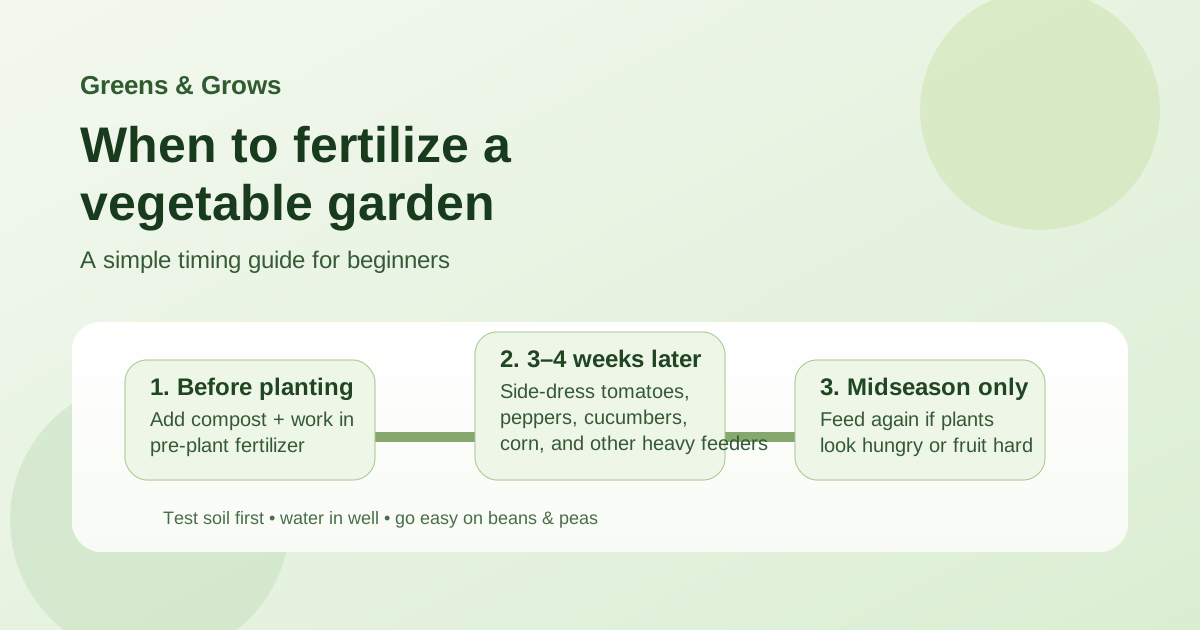
When to Fertilize a Vegetable Garden: Spring Timing Guide
Learn when to fertilize a vegetable garden in spring, after planting, and midseason so you feed vegetables at the right time without overdoing it.
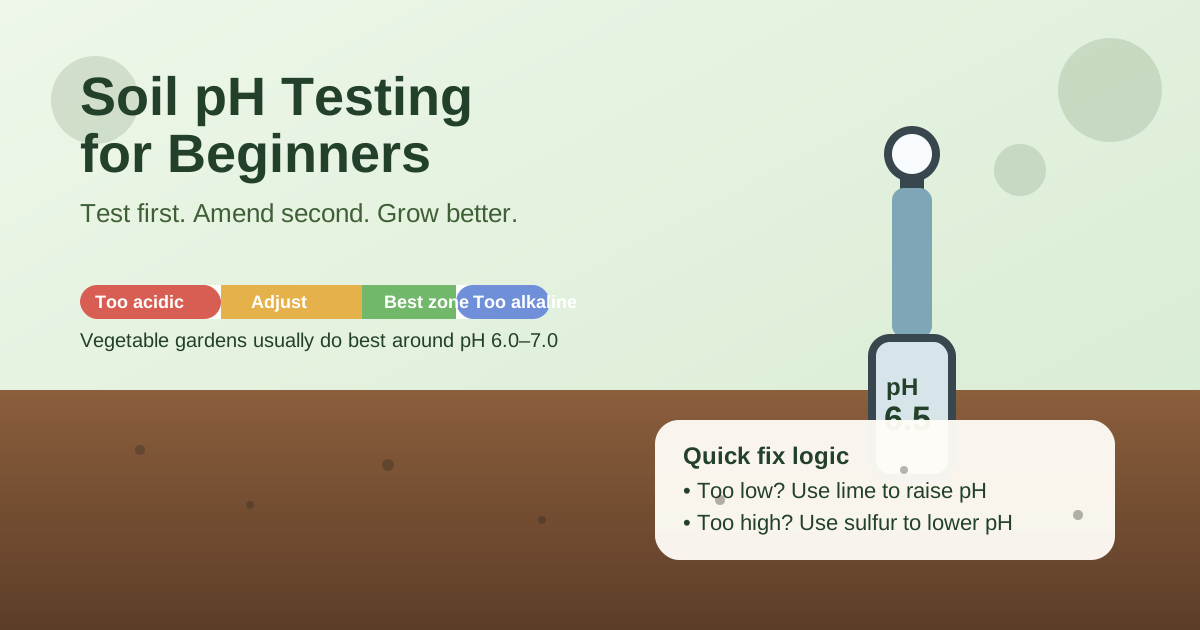
Soil pH Testing for Beginners: Get Garden Soil Right
Learn soil pH testing for beginners, including when to test, ideal vegetable-garden pH, and how to raise or lower pH without guessing.

Natural Pest Control: Keep Bugs Off Your Plants Without Chemicals
Organic and natural methods to protect your garden from common pests.